
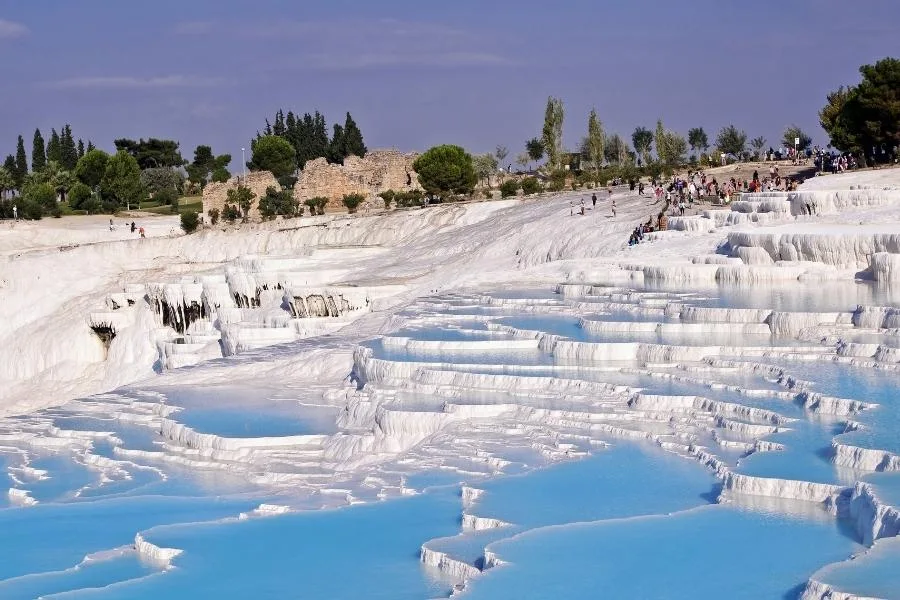
Tours featured in this guide
 7 days
7-Day Highlights of Turkey Tour: Istanbul, Pamukkale, Ephesus and Cappadocia
Shared group tour From €1,418 per person
4-Day Pamukkale, Ephesus & Cappadocia Tour from Istanbul with Flights
Shared group tour From €905 per person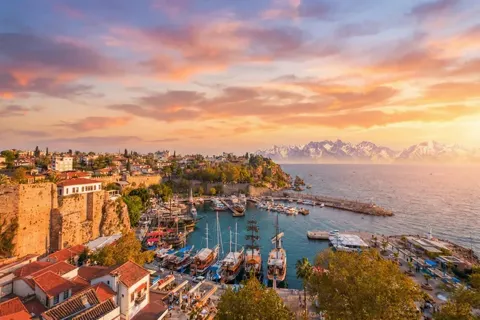 7 days
7-Day Antalya, Pamukkale, Ephesus & Cappadocia Tour
From €1,380 per person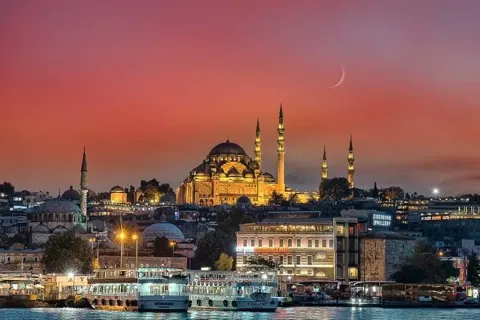 9 days
9-Day Turkey Tour: Istanbul, Pamukkale, Ephesus, Cappadocia & Ankara
Shared group tour From €1,580 per person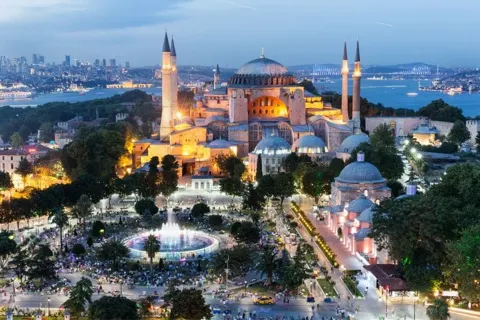 8 days
8-Day Best of Turkey Tour: Istanbul, Cappadocia, Antalya & Pamukkale
Shared group tour From €1,520 per person 11 days
11-Day Istanbul, Cappadocia, Pamukkale, Ephesus, Pergamon, Troy & Gallipoli Tour
Shared group tour From €1,680 per personOn this page
⚡ Quick Answer
The best time to visit Pamukkale is April to June and September to October. Spring and autumn offer comfortable walking temperatures (20–28°C), the thermal pools are enjoyable, and the white terraces photograph best under clear blue skies without extreme heat haze.
📅 Month-by-Month Guide to Pamukkale
January
🌡 Temp10° / 1°C
🌦 Rain10 days
👥 CrowdsLow
💰 Price$ (Budget)
Rating●●○○○
Cold and rainy. Terraces can be slippery. Thermal springs (36°C) feel extra luxurious in cold weather. Very few tourists.
February
🌡 Temp12° / 2°C
🌦 Rain9 days
👥 CrowdsLow
💰 Price$ (Budget)
Rating●●○○○
Still cold. Cleopatra Pool is a warm haven. Good time for Hierapolis ruins without crowds. Budget-friendly.
March
🌡 Temp16° / 4°C
🌦 Rain7 days
👥 CrowdsLow
💰 Price$ (Budget)
Rating●●●○○
Warming up. Wildflowers start blooming around the ruins. Terraces beginning to look their whitest after winter rains.
April
🌡 Temp21° / 8°C
🌦 Rain6 days
👥 CrowdsModerate
💰 Price$$ (Good Value)
Rating●●●●●
Perfect visiting conditions. Comfortable temperature for walking barefoot on terraces. Clear skies for photography.
May
🌡 Temp27° / 12°C
🌦 Rain5 days
👥 CrowdsModerate
💰 Price$$ (Good Value)
Rating●●●●●
Warm and pleasant. Long sunny days to explore both terraces and Hierapolis. Cotton-white terraces gleam against blue sky.
June
🌡 Temp32° / 16°C
🌦 Rain2 days
👥 CrowdsHigh
💰 Price$$$ (Moderate)
Rating●●●●○
Getting hot. Visit terraces early morning or late afternoon to avoid white surface glare and heat. Cleopatra Pool refreshing.
July
🌡 Temp36° / 19°C
🌦 Rain1 days
👥 CrowdsVery High
💰 Price$$$$ (Peak)
Rating●●○○○
Very hot. White terraces reflect intense sun — painful to walk on barefoot midday. Early morning visits essential.
August
🌡 Temp35° / 19°C
🌦 Rain1 days
👥 CrowdsVery High
💰 Price$$$$ (Peak)
Rating●●○○○
Extreme heat. Same as July. The terraces are unbearably hot underfoot from 10 AM–5 PM. Sunrise or sunset only.
September
🌡 Temp30° / 14°C
🌦 Rain2 days
👥 CrowdsModerate
💰 Price$$$ (Moderate)
Rating●●●●●
Heat easing. Terraces comfortable again. Fewer tour buses. Golden afternoon light makes the travertines glow. Best month for photos.
October
🌡 Temp24° / 10°C
🌦 Rain5 days
👥 CrowdsModerate
💰 Price$$ (Good Value)
Rating●●●●●
Perfect temperature for barefoot terrace walks. Autumn clarity makes the white formations pop. Excellent value season.
November
🌡 Temp17° / 6°C
🌦 Rain7 days
👥 CrowdsLow
💰 Price$ (Budget)
Rating●●●○○
Cooling down. Some rain but terraces still visitable. Thermal pool experiences become the highlight. Good deals.
December
🌡 Temp12° / 3°C
🌦 Rain10 days
👥 CrowdsLow
💰 Price$ (Budget)
Rating●●○○○
Cold and wet. Terraces can be slippery. Thermal hotels (Lycus River, Pam Thermal) are the main draw in winter.
☀ Seasons in Pamukkale
🌸Spring
April – June
🌡 21–32°C (70–90°F)
Advantages
- Perfect terrace walking temperature
- White formations at their brightest
- Wildflowers at Hierapolis
- Good photo conditions
Disadvantages
- Getting crowded by June
- Hot by late June
Photography, terrace walking, Cleopatra Pool, Hierapolis ruins
☀️Summer
July – August
🌡 35–36°C (95–97°F)
Advantages
- Guaranteed sunshine
- Cleopatra Pool is refreshing
- Long days
Disadvantages
- Terraces painfully hot underfoot
- Intense sun reflection
- Must visit at sunrise/sunset only
Early sunrise visits only, Cleopatra Pool swimming
🍂Autumn
September – October
🌡 24–30°C (75–86°F)
Advantages
- Best photography light
- Comfortable temperatures
- Fewer tour groups
- Great value
Disadvantages
- Some rain in late October
Best overall experience — photography, walking, swimming, ruins
♨️Winter
November – March
🌡 10–17°C (50–63°F)
Advantages
- Thermal hotel experience at its best
- Cheapest prices
- No crowds
- Steam rising from pools = atmospheric photos
Disadvantages
- Cold and rainy
- Terraces can be slippery
- Shorter visiting hours
Thermal spa hotels, budget travel, atmospheric photography
🎆 Events & Festivals in Pamukkale
📅
April
Spring Terrace Season
📍 Pamukkale
The terraces are at their whitest and most photogenic after winter rains have cleaned the calcium deposits.
📅
September
Denizli Grape & Wine Festival
📍 Denizli
The nearby city of Denizli celebrates the grape harvest with local food, wine tasting, and cultural events.
🎫 Recommended Pamukkale Tours
Hand-picked, expertly guided tours that pair perfectly with your Pamukkale trip.
💡 Travel Tips for Pamukkale
🦶Shoes Off on the Terraces
You must walk barefoot on the travertine terraces to protect them. In summer, the white calcium is painfully hot — visit before 9 AM or after 5 PM.
📸Best Photo Time
Late afternoon (4-6 PM) gives the warmest light on the white terraces. Sunrise is magical but requires early entry. Midday creates harsh shadows.
🏊Cleopatra Pool
The ancient thermal pool (36°C) with submerged Roman columns is open year-round. Entry is separate from the terraces. Less crowded in shoulder season.
🏛️Don't Skip Hierapolis
The ancient city of Hierapolis sits atop the terraces. The amphitheater, necropolis, and ancient bath ruins are as impressive as the terraces themselves.
🏨Stay at Thermal Hotels
Pamukkale's thermal hotels (Lycus River, Pam Thermal, Doga Thermal) pipe natural hot spring water directly to pools and rooms. Best enjoyed in cooler months.
⏰Allow 3-4 Hours
Plan at least 3-4 hours to properly explore the terraces, Cleopatra Pool, and Hierapolis ruins. A full day is even better.
❓ Frequently Asked Questions
Can you visit Pamukkale in winter?
Yes, the terraces are open year-round. Winter offers a unique experience — steam rises from the warm thermal water against cold air, creating magical photographs. Just be careful as wet terraces can be slippery in rain.
Is the Cleopatra Pool warm enough to swim in winter?
Yes! The Cleopatra Pool maintains a constant temperature of 36°C (97°F) year-round — it's naturally heated by underground thermal springs. It's actually most enjoyable in cooler months when the contrast with the air temperature feels luxurious.
How hot do the terraces get in summer?
The white calcium surface can reach 50-60°C under direct summer sun, making barefoot walking painful between 10 AM and 5 PM. Always visit at sunrise or late afternoon in July-August.
Is one day enough for Pamukkale?
One day is sufficient if well-planned. Arrive early for the terraces (8:30 AM), explore Hierapolis by late morning, swim in Cleopatra Pool midday, and watch sunset from the terraces. Overnight allows a more relaxed pace plus thermal hotel experience.
When are the terraces least crowded?
Early morning (8:30-10:00 AM) and late afternoon (4:00-6:00 PM) are quietest even in peak season. Seasonally, November through March sees the fewest visitors. Weekdays are always better than weekends.
Is the water on the terraces warm?
The thermal water flowing down the terraces is around 35°C. Some terrace pools are filled and warm, while others may be empty depending on the controlled water flow. The deeper pools near the top are warmest.