Pin it
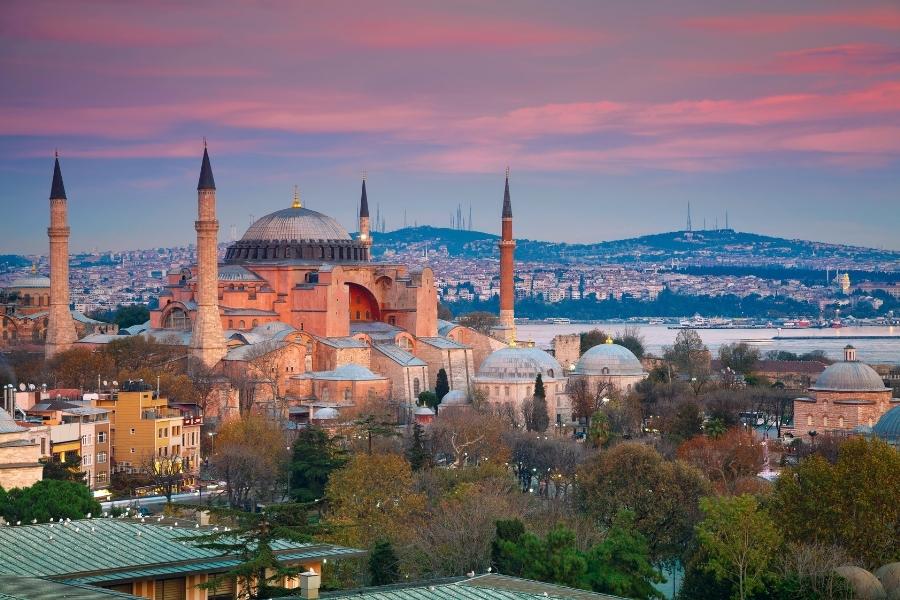
For most first visits, the European side wins the European side vs Asian side of Istanbul decision because it puts Hagia Sophia, the Blue Mosque, Topkapı Palace, and the Grand Bazaar within one sightseeing area. The Asian side is worth at least half a day for Kadıköy or Üsküdar, especially if you want market food, a ferry ride, and a less visitor-focused part of the city.
This guide is for travelers with two to five days in Istanbul who need to decide where to stay, how to cross the Bosphorus, and how to split their time without spending every day in queues. The practical answer is usually two days on the European side and one day that includes the Asian side.
Quick Facts
| Best time to visit | Spring and fall are usually more comfortable for walking. Summer brings heat and more people around Sultanahmet; winter can be wet but is often quieter. |
| Time needed | Plan three full days for both sides: two on the European side and one split between Kadıköy, Moda, or Üsküdar. |
| Getting there | Use a public ferry for the water views, Marmaray for the faster cross-city rail connection, or a taxi when you have luggage or limited mobility. |
| Entry / typical cost | Public transport and monument admissions are charged in Turkish lira. Check current admission and access rules on each official attraction page before your visit. |
| Good for | First-time visitors, food-focused travelers, families who are comfortable with boats and walking, and repeat visitors looking beyond Sultanahmet. |
What is the difference between Istanbul’s European and Asian sides?
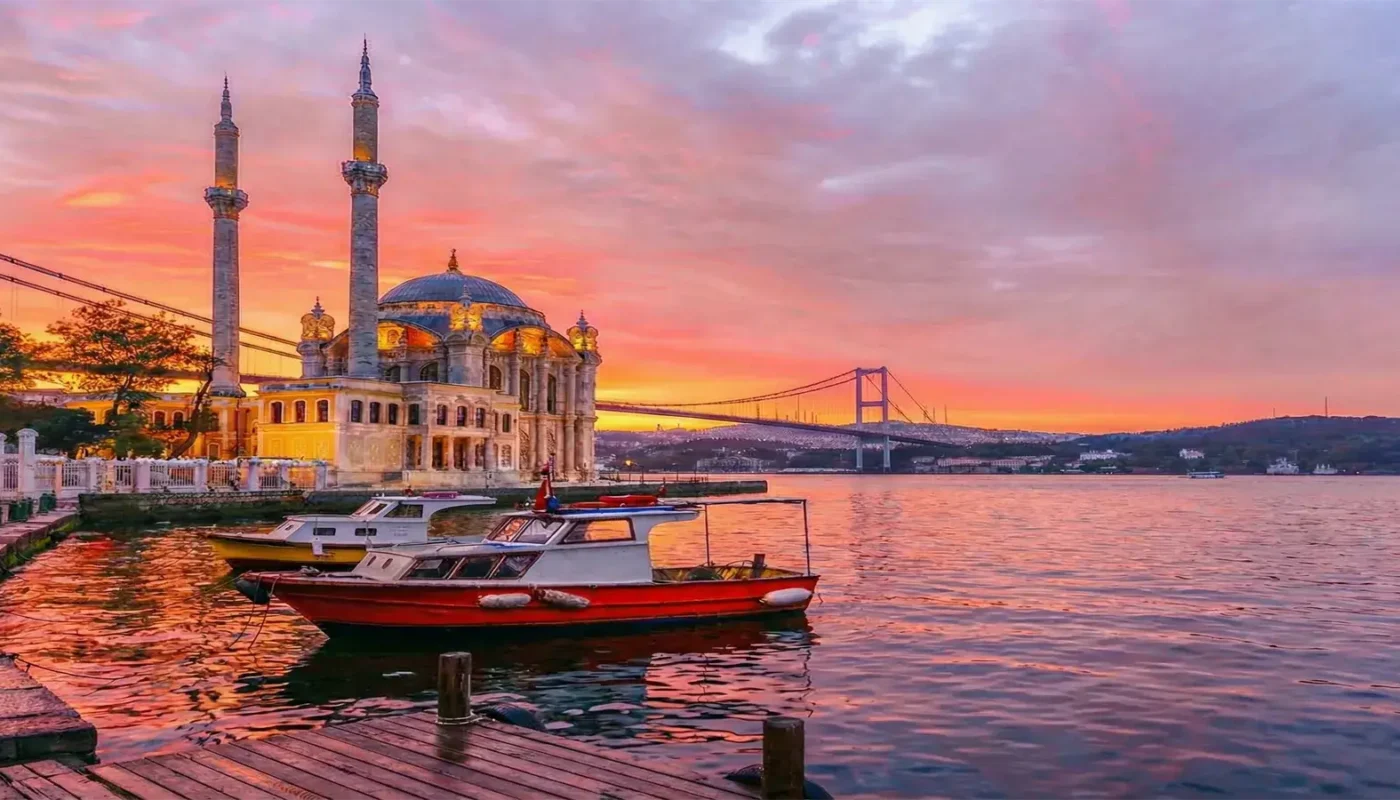
The Bosphorus separates Istanbul’s European and Asian shores. It is a daily commuter route as much as a sightseeing route, with ferries, rail connections, road bridges, buses, and taxis linking the two sides.
The European side contains the Historic Peninsula, north-of-the-Golden-Horn districts such as Galata and Beyoğlu, and many of the hotels used by first-time visitors. UNESCO’s Historic Areas of Istanbul listing includes major parts of the peninsula and identifies Hagia Sophia, the Hippodrome of Constantine, Topkapı Palace, and the Süleymaniye complex among the city’s major Byzantine and Ottoman landmarks.
The Asian side is much larger than a quick stop in Kadıköy, but Kadıköy, Moda, and Üsküdar are the most practical areas for visitors. You come here less for a checklist of ticketed monuments and more for markets, neighborhood restaurants, waterfront walks, and a different rhythm from Sultanahmet.
| Choose this side if you want… | European side | Asian side |
|---|---|---|
| Major landmarks | Hagia Sophia, Blue Mosque, Topkapı Palace, Basilica Cistern, Süleymaniye Mosque, Galata Tower | Üsküdar mosque waterfront, Maiden’s Tower views, Çamlıca area, Kadıköy and Moda streets |
| Best base for a first trip | Yes, particularly Sultanahmet, Galata, Karaköy, or Beyoğlu | Better for return visits or travelers happy to commute by ferry or rail |
| Food focus | Historic restaurants, hotel dining, Karaköy cafés, Beyoğlu meyhanes, market snacks | Kadıköy market, bakeries, casual fish restaurants, bars, and local dining streets |
| Evening plans | Beyoğlu, Karaköy, and nearby music venues | Kadıköy’s bar streets and smaller music venues |
| Tour pickup logistics | Usually simpler for shared city tours | Confirm pickup before booking; many shared itineraries focus on central European-side hotels |
Pro Tip
Do not treat the Asian side as a separate day trip that requires a big commitment. Take a ferry after lunch, walk Kadıköy market and Moda, then return after dinner. It is one of the simplest ways to see both continents without adding a hotel change.
What should you see on the European side of Istanbul?
Start on the Historic Peninsula. It is the sensible choice when you have only one full sightseeing day because several major places are close together, though queues, prayer times, slopes, and cobbled streets slow the day down.
Sultanahmet and the Historic Peninsula
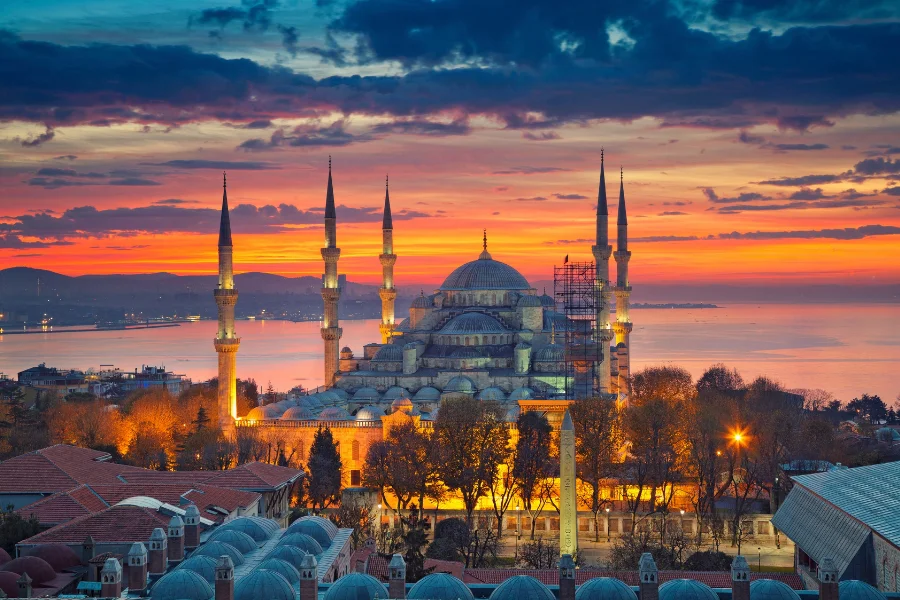
Build your first route around Hagia Sophia, the Blue Mosque, the Hippodrome, Topkapı Palace, the Basilica Cistern, and the Grand Bazaar. Trying to enter every one of these places in a single day can turn into a rushed sequence of security lines and ticket decisions, so choose three paid or interior visits at most.
Hagia Sophia was designed in 532–537, according to UNESCO, and remains one of the key buildings in the World Heritage-listed Historic Areas. The Blue Mosque dates from the 17th century, while Topkapı Palace developed from the 15th century through the Ottoman period. These are active or tightly managed places, not open-air exhibits, so visit rules can change.
Mosques may close to sightseers during prayer times. Friday access can be especially restricted around midday prayers. The Grand Bazaar is regularly closed on Sundays, while shared itineraries published by All Istanbul Tours list alternative stops when Topkapı Palace is closed on Tuesday. Confirm the schedule for your actual date rather than arranging your whole plan around an old online timetable.
Galata, Karaköy, and Beyoğlu
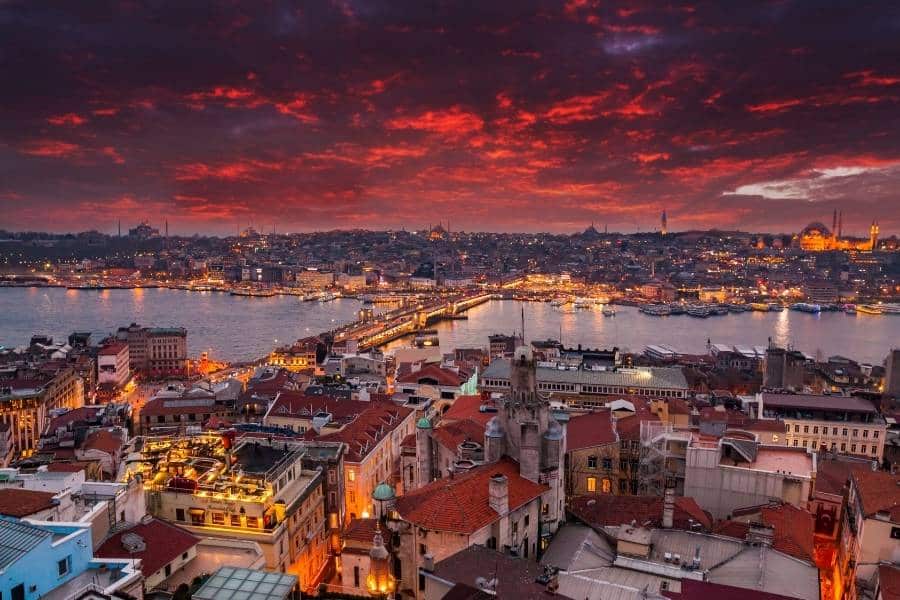
Cross the Galata Bridge from Eminönü when you are ready for a change of pace. Karaköy has cafés, small restaurants, and steep streets climbing toward Galata. From there, continue to Galata Tower and the streets leading toward İstiklal Avenue and Taksim.
Galata Tower is a logical late-afternoon stop if the weather is clear, but sunset attracts long lines. If your priority is photographs rather than the tower interior, walk the side streets around Galata earlier and use a public ferry later for open water views. On this side, the less expensive meals are often a block or two away from İstiklal rather than directly on the avenue.
For dinner, look around Asmalımescit, Cezayir Sokağı, or Çukurcuma instead of choosing the first menu near the main pedestrian route. A practical meyhane meal is a few cold mezes, one hot plate to share, and fish only after you have seen what is available that day.
What should you do on Istanbul’s Asian side?
Kadıköy is the best first stop for most visitors. Üsküdar is better if you want mosque architecture, a direct waterfront perspective toward the European shore, and a quick rail connection. You can do either one in half a day; trying to add both plus Çamlıca Hill after a full Sultanahmet morning makes for a long day.
Kadıköy and Moda for food and a waterfront walk
From the Kadıköy ferry terminal, walk into the market streets for produce stalls, cheese shops, fish sellers, bakeries, coffee, and casual lunch counters. It works best around lunchtime, when you can graze rather than book a formal meal.
Useful stops include Turkish coffee, Turkish delight, grilled fish, and stuffed mussels sold individually by street vendors. Use normal food-stall judgment: choose busy stands where food is being turned over quickly, and do not buy more than you can comfortably eat while walking.
Continue south to Moda for bookshops, record stores, cafés, and the waterfront path. The route is better suited to people who enjoy unplanned stops than those trying to tick off attractions. Leave enough time to return to the ferry terminal or locate the rail connection before your evening plans.
Üsküdar and the view toward the old city
Üsküdar offers a more direct look across the water toward the Historic Peninsula. Walk its waterfront around late afternoon, then look for Mihrimah Sultan Mosque and Şemsi Paşa Mosque. From this shore, you can see the Maiden’s Tower offshore; treat it as a view stop unless you have separately confirmed current visitor access.
Çamlıca Hill and Çamlıca Mosque can be combined with Üsküdar when visibility is good. It requires additional transport uphill, so it is not the best choice for a short Kadıköy visit. Check opening arrangements before setting out, especially if you plan to visit any observation areas nearby.
How do you get from the European side to the Asian side?
Choose the ferry when the crossing itself is part of your plan. Choose Marmaray when it is raining, windy, late, or you simply need to get across quickly. Taxis can be useful with luggage, but bridge traffic can make their travel time unpredictable.
- For Kadıköy: Use a ferry from Eminönü or Karaköy when available. Check the departure board at the pier rather than assuming the same timetable every day.
- For Üsküdar: Take a ferry when you want the waterfront approach, or use Marmaray from the European side for a faster rail connection.
- For an evening return: Check the final ferry times before dinner. Marmaray is often the more dependable backup when ferry services have finished or weather affects the water.
- For luggage or limited walking: A taxi may reduce transfers, but allow extra time for road traffic and confirm the route before you leave.
| Crossing method | Best use | What to know |
|---|---|---|
| Public ferry | First crossing, photos, Kadıköy or Üsküdar waterfronts | Paid through Istanbul’s public-transport system; service times and fares can change. |
| Marmaray rail | Speed, rain, wind, and late returns | It runs below the Bosphorus, so there is no water view. |
| Taxi or ride-hailing | Luggage, a small group, or door-to-door needs | Road traffic over the bridges can be slow, particularly at commuting times. |
| Guided cruise | Travelers who want commentary and a planned sightseeing day | Read the itinerary closely to confirm which landmarks, meals, and transfers are included. |
Buy and load an Istanbulkart for public transit if you expect to use ferries, trams, buses, metro lines, and Marmaray. Fares are set in Turkish lira and change periodically, so it is more useful to top up as needed than to rely on a fixed euro figure from a travel article.
What does Istanbul cost on each side?
There is no meaningful European-side versus Asian-side admission budget because major paid monuments are concentrated on the European side, while many Asian-side plans involve free streets, markets, mosques, and transport. Museum fees, transport fares, and individual access rules change, so confirm them directly before travel.
| Item | Current planning guidance | What is included or extra |
|---|---|---|
| Museums and paid monuments | Check each official ticket page | Admissions are charged in Turkish lira and may change. Mosque entry rules are separate from museum admissions. |
| Public ferry, metro, tram, bus, and Marmaray | Turkish lira via public transport payment methods | Budget for the card and repeated rides rather than one fixed crossing amount. |
| Shared Old City and cruise day | From €180.00 | The published itinerary for the Full Day Istanbul Classic & Bosphorus Cruise Combination Tour includes European-side or cruise-port pickup, coach transport, guide, lunch, entrance fees, and hotel or port return. |
| Shared Byzantine and Ottoman day | From €165.00 | The listed inclusions cover European-side or cruise-port pickup, guide, coach transport, lunch, and entrance fees. |
| Private guided Old City day | From €210.00 | The private guide and vehicle are included; the published itinerary lists monument admission, lunch, drinks, and optional Topkapı Harem access as extra. |
All listed tour prices are starting prices in euros and can vary by travel date and party size. A lower starting price does not automatically mean a lower final cost, particularly when one tour includes admissions and another leaves them to you.
Pro Tip
Compare tours by the stops you care about and the extras you would otherwise pay for. A full-day group itinerary may be the better value if you want transport, lunch, and entrance fees included. A private day makes more sense when your group needs breaks, a slower walking pace, or a route that skips shopping stops.
When is the best time to visit each side of Istanbul?
Plan your day around crowd patterns rather than trying to find an empty city. Sultanahmet is busiest from late morning through midafternoon. Kadıköy is more appealing at lunch and on weekend evenings, while Üsküdar is strongest later in the day when you can look west across the water.
| Time | Best choice | Reason |
|---|---|---|
| Early morning | Sultanahmet exterior walk | You can photograph the squares before the main visitor flow, but confirm mosque access around prayer times. |
| Late morning to early afternoon | Topkapı Palace, Basilica Cistern, or a prebooked guided route | Expect crowds and security checks; have a realistic backup stop. |
| Lunch and afternoon | Kadıköy market and Moda | Food shops and casual lunch options are part of the point of the visit. |
| Late afternoon | Üsküdar waterfront or a ferry crossing | The European skyline is in front of you, and the water adds a useful break from walking. |
| Evening | Karaköy, Beyoğlu, or Kadıköy | Choose your dinner neighborhood first, then check your return route before staying late. |
Spring and fall generally suit long walking days better than the height of summer. Summer heat can make uphill streets, mosque courtyards, and long ferry-terminal walks tiring. Winter means a greater chance of rain and wind, but it can be a good trade-off if you care more about museums and restaurants than outdoor views.
How many days do you need, and where should you stay?
Three complete days gives you a balanced first visit. With two days, give most of your time to the European side and reserve one evening or half day for Kadıköy or Üsküdar. With four or five days, you can slow down, spend longer in the Asian-side neighborhoods, and add a Bosphorus cruise or an island day.
A practical three-day Istanbul plan
- Day 1: Sultanahmet. Prioritize Hagia Sophia, the Blue Mosque, the Hippodrome, and one or two paid interiors. Add the Grand Bazaar only if it is open.
- Day 2: Topkapı Palace or the Basilica Cistern in the morning, then take a ferry to Kadıköy for lunch, market streets, and Moda.
- Day 3: Galata, Karaköy, and Beyoğlu. End with a ferry ride or a Bosphorus cruise rather than another museum queue.
Stay on the European side if this is your first visit. Sultanahmet suits travelers who want to walk to major monuments. Galata, Karaköy, and Beyoğlu suit people who want more restaurant and evening options. For a fuller comparison of bases, read the best Istanbul neighborhoods for first-time visitors.
Stay in Kadıköy or Moda if you have visited before, prefer neighborhood dining, or do not mind adding a ferry or rail trip to your mornings. It can be a good base, but shared tours commonly use central European-side pickup zones. Confirm the exact pickup arrangement before booking instead of assuming your hotel is included.
Which Istanbul tour is right for your plans?
A shared tour is useful when you want a structured route through the Old City and do not want to organize transport, tickets, lunch, and changing weekly closures yourself. It is less suitable if you dislike a fixed timetable, coach travel, or an included shopping stop.
The Istanbul Byzantine and Ottoman Relics Tour, from €165.00, suits first-time visitors whose priority is the Old City. Its published program includes the Hippodrome, Blue Mosque, Topkapı Palace, Hagia Sophia, and Grand Bazaar, plus lunch, entrance fees, and European-side or cruise-port pickup. The tour page notes moderate walking, a shopping stop, Tuesday Topkapı substitutions, and Friday Blue Mosque access limits.
Choose the 8-Hour Private Guided Tour in Istanbul, from €210.00, if your party needs a flexible start, wants private transport, or includes travelers who need more breaks. Its published itinerary runs for eight hours with a licensed guide and private vehicle, but lists admissions, lunch, drinks, and the Topkapı Harem ticket as extras. It also involves substantial walking over cobbles and stairs, so private does not mean step-free.
For an extra day beyond the two sides of central Istanbul, the Princes Islands Tour from Istanbul starts from €149.00 and includes round-trip boat travel, lunch, guide, entrance fees, and European-side or cruise-port pickup according to its itinerary. It is not wheelchair accessible, so it is not the right substitute for a low-mobility day.
What should you know about mobility, families, and practical planning?
Expect uneven paving, hills, steps, crowded pavements, and long walks around Sultanahmet, Galata, and parts of Kadıköy. Ferries and Marmaray may be more manageable than older tram stops, but access conditions vary by station and pier. Travelers using wheelchairs or traveling with a stroller should confirm the specific hotel, transit station, attraction entrance, and tour route before committing.
Children often enjoy the ferry more than a second large museum. A workable family rhythm is one major interior stop, lunch, a boat crossing, and an open-air walk. Bring water, a light layer for ferry decks, and snacks if your group gets hungry between meals.
- Wear shoes that can handle cobbles, slick paving after rain, and long walking days.
- Bring clothing that covers shoulders and knees for mosque visits. Women should carry a head scarf, and everyone should bring socks because shoes are removed.
- Carry water and sun protection in warmer months. Shade can be limited in large squares and ferry queues.
- Keep bags zipped in crowded areas such as the Grand Bazaar, İstiklal Avenue, and transport interchanges.
- Confirm the closing day, prayer-time restrictions, and ticket arrangements of your priority sites shortly before your visit.
For practical advice on street awareness, taxis, and common visitor scams, see our honest Istanbul safety guide.
🎫 Recommended Istanbul Tours
Compare the itinerary, inclusions and optional extras. Starting prices vary by date and party size.
Frequently Asked Questions About Istanbul
Is the Asian side of Istanbul worth visiting?
Yes, particularly if you have at least three days. Kadıköy gives you market streets and food options, while Üsküdar gives you waterfront mosque views toward the European side. Half a day works for a first look, but a full day lets you combine Kadıköy and Moda without rushing.
Which side of Istanbul should I stay on for a first visit?
Stay on the European side for the simplest access to the major monuments and common shared-tour pickup zones. Sultanahmet is practical for sightseeing, while Galata, Karaköy, and Beyoğlu give you more dining and evening choices. Choose Kadıköy or Moda if you are comfortable crossing the water regularly.
How much does it cost to cross from Europe to Asia in Istanbul?
Public ferry and rail fares are charged in Turkish lira through Istanbul’s transit system and can change. Use an Istanbulkart and top it up as you go instead of relying on a fixed euro amount. A taxi costs more and is affected by bridge traffic.
Can you see the European and Asian sides of Istanbul in one day?
You can, but keep the plan selective. Do Sultanahmet in the morning, take a ferry to Kadıköy after lunch, then walk Moda or visit Üsküdar before returning for dinner. It is a walking-heavy day, so it is better for travelers comfortable spending many hours on their feet.
What is the best month to visit Istanbul?
Spring and fall usually provide the most comfortable conditions for sightseeing on foot. July and August can be hot, while winter brings more rain and wind. The best choice depends on whether you value outdoor ferry time and long walks or lower visitor numbers.
Do I need tickets for mosques in Istanbul?
Access arrangements differ between working mosques and paid museum sites. Mosques can restrict tourist entry during prayers, especially on Friday around midday, and modest dress is required. Check the official visitor information for the specific mosque before you go.
Can I combine the Asian side with the Princes’ Islands?
It is possible only with careful transport planning, and it makes for a much fuller day than many visitors expect. For most first-time travelers, keep Kadıköy or Üsküdar separate from an island day so you have time to enjoy each place rather than just passing through.
Ready to set your route? Use our Turkey trip planner to map your Istanbul days, then choose the guided option that matches your pace and priorities.