 Pin it
Morocco weather in January is generally mild during the day in many cities, colder after sunset, and more variable between the coast, mountains, and desert. Pack layers, check the forecast for each stop, and plan for cold nights if your route includes the Sahara or the Atlas Mountains.
This guide is for travelers deciding what January conditions mean for sightseeing, desert overnights, and packing. Morocco doesn’t have one uniform winter climate, so your route matters as much as the month.
Quick Facts
| Daytime conditions | Often mild in cities, but cooler in the mountains and on the coast. |
| After dark | Expect a noticeable drop in temperature; desert nights can be especially cold. |
| Rain | Rain is possible, particularly in coastal areas. Check the local forecast close to your trip. |
| Best planning approach | Pack for several conditions and check forecasts for each overnight stop. |
| Good fit for | Travelers who prefer cooler sightseeing weather and are prepared for cold evenings. |
What is Morocco weather like in January?
January is a winter month in Morocco. You may get comfortable conditions for walking during the day, followed by cold evenings and early mornings. The shift can be significant, so a sunny afternoon isn’t a good guide to what you’ll need after dinner.
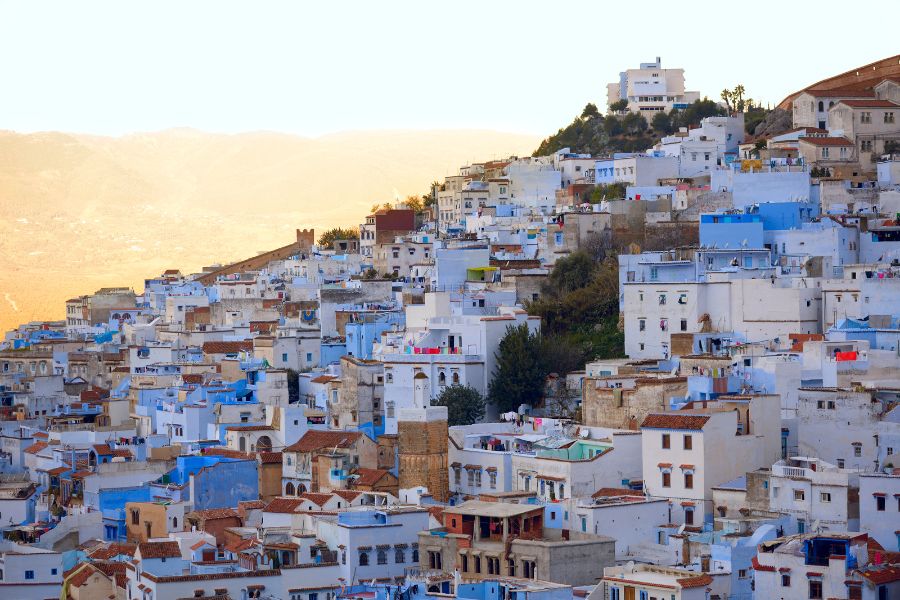
Conditions depend on where you go. Marrakech and other inland cities can feel mild in the sun, while coastal cities such as Casablanca and Rabat may be cooler and occasionally rainy. The Atlas Mountains are colder, and winter conditions can affect mountain routes. In the Sahara, daytime exploring may feel pleasant, but sleeping outdoors or in a desert camp means facing much colder nighttime temperatures.
These are regional patterns, not a day-by-day forecast. Check local conditions shortly before departure and again as you move between regions. If your plan includes long drives, ask your accommodation or tour operator whether weather could affect the route.

How does January weather vary by region?
Marrakech and inland cities
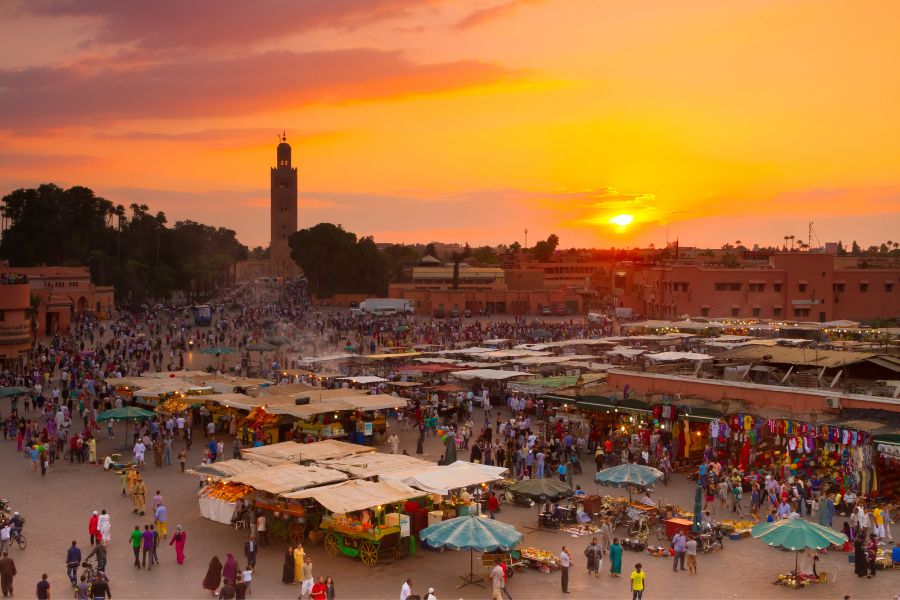
In Marrakech, Fes, and other inland cities, the main planning issue is the difference between daytime and nighttime conditions. You can spend the warmer part of the day walking through a medina or visiting outdoor sites, then need a jacket once the sun goes down. Start outdoor sightseeing later in the morning if the early hours feel too cold, and keep a warm layer with you rather than leaving it at your lodging.
Rain can still affect plans. Wet paving and narrow medina lanes may be slippery, so shoes with a secure grip are more useful than smooth-soled footwear. If rain is forecast, keep some flexibility in your schedule instead of assuming every outdoor stop will be comfortable.
Atlantic coast
Casablanca and Rabat are coastal stops, where January can bring cool, damp or windy conditions as well as bright spells. Bring a rain layer that’s comfortable to walk in, and check the forecast before setting aside a full day for outdoor sightseeing. A light umbrella can help in town, but a waterproof outer layer is more practical when wind makes an umbrella awkward.
Atlas Mountains
Mountain areas are colder than the cities, and winter weather can change travel conditions. Don’t assume a road or outdoor activity will be unaffected just because it’s clear in Marrakech. Check conditions for the specific route and location you plan to visit. If the mountains are central to your trip, leave room to adjust plans rather than relying on a tight sequence of stops.
Sahara and desert camps
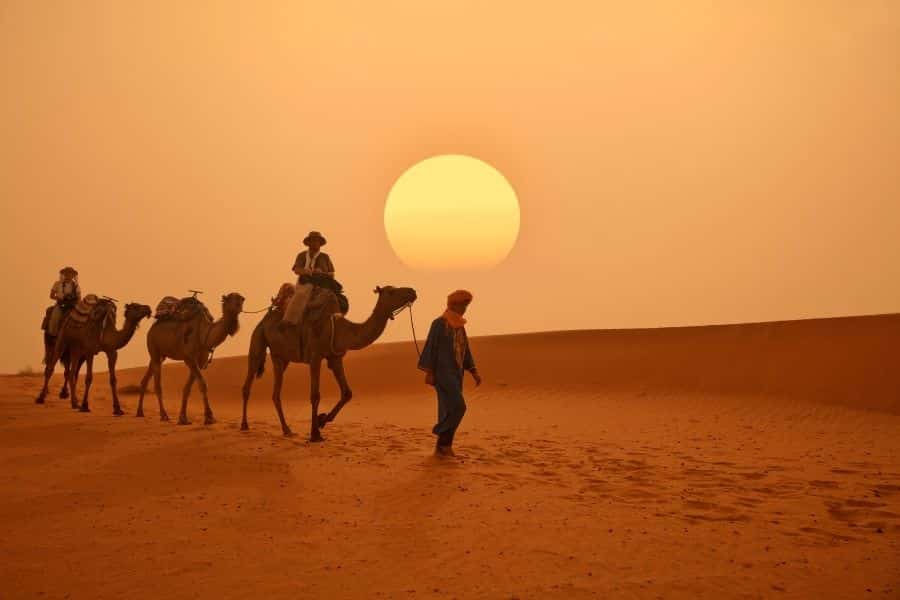
The desert is not warm around the clock in January. Daytime and sunset can be manageable with layers, while the night may feel very cold, especially if you’re sitting outdoors or sleeping in a camp. Ask your camp what bedding and heating arrangements are provided for your booking; don’t assume every camp has the same facilities. Keep warm clothing accessible for the evening instead of packing it away with your main luggage.
What should you pack for Morocco in January?
Think in layers rather than one heavy outfit. You’ll want clothes that work in mild daytime conditions and can be combined for chilly mornings, evenings, and desert nights. Your exact choices depend on the route and the latest forecast.
- Everyday layers: Pack long-sleeved tops, trousers, and a warm mid-layer you can add or remove during the day.
- Outer layer: Bring a warm jacket for after dark and a rain-resistant layer if your route includes the coast or the forecast shows rain.
- Desert overnight: Take thermal layers or warm sleepwear, plus socks and a hat if you tend to feel cold. Confirm camp bedding arrangements before you travel.
- Walking shoes: Choose comfortable shoes with grip for medina paving and any damp paths. For a mountain route, check what footwear is suitable for the planned activity.
- Small day bag: Keep an extra layer and rain protection with you, since conditions may change between morning and afternoon.
Don’t pack only for the warmest part of the day. A short walk back to your riad after dinner, a pre-sunrise desert start, or time spent outdoors at camp can feel much colder than an afternoon in the city.
Pro Tip
If your itinerary includes several regions, check the forecast for each overnight stop—not just your arrival city. Keep your warmest layer in your day bag on travel days.
How should you plan sightseeing and desert time?
Use the warmer daylight hours for outdoor walking, then leave indoor visits, a long lunch, or time back at your lodging for the colder parts of the day. This is a practical adjustment, not a guarantee of sunshine: check the forecast and be ready to change the order if rain or strong winds are expected.
For the desert, think about the full overnight rather than only the camel ride or sunset. You’ll need warm clothing for the evening at camp, and an early start can feel colder than the previous afternoon. Ask your operator what’s provided and what you should carry yourself. If you’re booking a multi-day route, check how much time is spent driving each day and where you’ll sleep, since those details affect how you prepare for the cold.
One option for travelers who want a planned route from Marrakech that includes a desert camp and camel trek is the 6-Day Morocco Desert Tour from Marrakech. The itinerary includes a desert camp overnight and a camel trek; confirm current arrangements and what’s provided for your dates before booking. A tour itinerary can help organize the route, but it doesn’t remove the need to prepare for winter temperatures.

Is January a good time to visit Morocco?
January can suit you if you prefer cooler daytime sightseeing and don’t mind bundling up at night. It may be less comfortable if you want consistently warm evenings, plan to spend long periods outdoors after dark, or dislike weather-dependent changes to a mountain itinerary.
For cities, the key trade-off is pleasant walking conditions during parts of the day versus cold mornings and evenings. For a desert overnight, the daytime experience and the camp night are different planning problems: don’t let a comfortable afternoon persuade you to leave warm clothing behind. For mountain travel, check the route forecast and keep your schedule flexible.
Don’t count on lower prices or fewer visitors at every stop without checking your specific dates. January conditions and demand can vary by location and accommodation. If you’re comparing months, you can also read our guides to Morocco weather in December and Morocco weather in November.

What January weather mistakes should you avoid?
- Packing for Marrakech alone: A city forecast won’t tell you what to expect on a mountain road or at a desert camp.
- Assuming desert means warm nights: Bring warm sleepwear and ask the camp what bedding is included.
- Starting the day without an extra layer: Early mornings can feel cold even if the afternoon is mild.
- Planning every outdoor stop as fixed: Rain or mountain conditions may make a flexible order more comfortable.
- Relying on general seasonal advice: Use a local forecast for the dates and places on your route, especially before an overnight excursion.
Frequently Asked Questions About Morocco
Is January a good time to visit Morocco?
It can be a good fit if you prefer cooler days for sightseeing and are prepared for cold evenings. Conditions vary by region, so check forecasts for your full route rather than relying on one city.
How cold is Morocco in January?
There isn’t one temperature that describes the whole country. Inland cities, the coast, mountains, and desert have different conditions, and nights can feel much colder than daytime.
Does it rain in Morocco in January?
Rain is possible, particularly in coastal areas such as Casablanca and Rabat. Check the local forecast before outdoor sightseeing and carry a rain-resistant layer if your plans could be affected.
Can you visit the Sahara in January?
Yes, but plan for cold nights as well as daytime desert activities. Ask your camp what bedding and other arrangements are included, and bring warm layers for the evening and early morning.
What clothes should I pack for Morocco in January?
Pack clothes you can layer, a warm jacket, comfortable walking shoes, and rain protection if your route includes the coast or wet weather is forecast. Add thermal layers or warm sleepwear for a desert overnight.
Are the Atlas Mountains suitable to visit in January?
Conditions can be colder and may affect mountain travel. Check the forecast for your specific route and confirm plans locally before setting out.
Morocco weather in January can work well for city sightseeing and a desert itinerary if you prepare for cold nights, possible rain, and regional changes. Check the forecast for each stop and pack layers you can keep close at hand.