

Alabaster Sphinx
The Alabaster Sphinx in Memphis, Egypt, is a striking relic from the New Kingdom era, believed to portray Queen Hatshepsut. Carved from a single block of limestone, it weighs around 90 tons and measures 26 feet long, making it the largest alabaster statue found to date. Although centuries have softened its features, the Sphinx’s calm expression and artistry remain an enduring testament to ancient Egyptian skill. Located within the Mit Rahina Museum complex, the Sphinx stands as a reminder of Memphis’s past glory and invites visitors to delve into the depth of Egypt’s cultural legacy.
The Alabaster Sphinx, located in the ruins of the ancient city of Memphis, Egypt, is a captivating piece of Egypt’s history that tells a story of artistry and power. This limestone monument, thought to represent Queen Hatshepsut, dates back over 3,000 years to the New Kingdom period. Weighing about 90 tons and standing approximately 26 feet long, it is the largest known alabaster statue ever discovered. The grandeur of the Sphinx is evident in its weathered appearance, which, rather than detracting from its beauty, enhances the enigmatic aura surrounding this ancient work of art. The Sphinx’s serene expression and delicate features reflect the artistic skill of ancient Egyptian craftsmen, who mastered techniques that were ahead of their time. Surrounded by other relics from the once-great capital of Memphis, it offers visitors a unique glimpse into the grandeur of Egypt’s ancient civilization. The Sphinx not only serves as a testament to the artistic abilities of its creators but also provides significant insights into the cultural and religious practices of the time. For instance, Queen Hatshepsut, one of the few female pharaohs, is a pivotal figure in ancient Egyptian history. Her reign, which spanned from 1479 to 1458 BC, marked a period of prosperity characterized by monumental building projects and extensive trade expeditions. These ventures not only bolstered Egypt’s economy but also fostered cultural exchanges that influenced art, architecture, and religion. The Sphinx is situated near other notable structures, such as temples dedicated to various deities, including Amun, the king of the gods, and impressive mortuary temples that showcase the architectural advancements of the era. The complex symbolism embedded in these structures reflects the Egyptians’ deep spiritual beliefs and their desire for immortality. Furthermore, the Alabaster Sphinx is unique not just for its size but also for the materials used in its construction. The alabaster stone is renowned for its translucence and durability, allowing intricate details to be carved and preserved over millennia. Visitors can marvel at the finely etched hieroglyphics that adorn the statue, telling stories of the pharaoh’s life and achievements, which include military expeditions, successful trade negotiations, and monumental building projects that reshaped the landscape of Egypt. Each hieroglyph serves as a window into the past, offering insight into the values and beliefs of ancient Egyptians. In addition to its artistic and historical significance, the Sphinx has become a symbol of Egypt’s rich heritage, attracting countless tourists and scholars eager to learn more about its mysteries. The sheer scale of the Sphinx and its intricate designs have made it a focal point for academic research and archaeological exploration. As you stand before this ancient marvel, the weight of history is palpable, inviting contemplation about the lives of those who once walked the land and the legacies they left behind. The juxtaposition of the Sphinx against the backdrop of modern Cairo creates a powerful reminder of the continuity of history and the enduring influence of ancient civilizations. The Alabaster Sphinx is not merely a relic; it is a bridge connecting the past with the present, encouraging us to ponder the accomplishments of ancient civilizations while inspiring future generations to preserve our shared heritage. The ongoing efforts of archaeologists and historians to study and conserve this monument ensure that the stories it holds will continue to be told for generations to come, making it a vital part of not only Egypt’s history but of the world’s cultural heritage as well.
Plan your visit
Tours to consider for Alabaster Sphinx
Compare the route, time available and what is included. A guided tour does not override venue closures, entry rules or security checks.
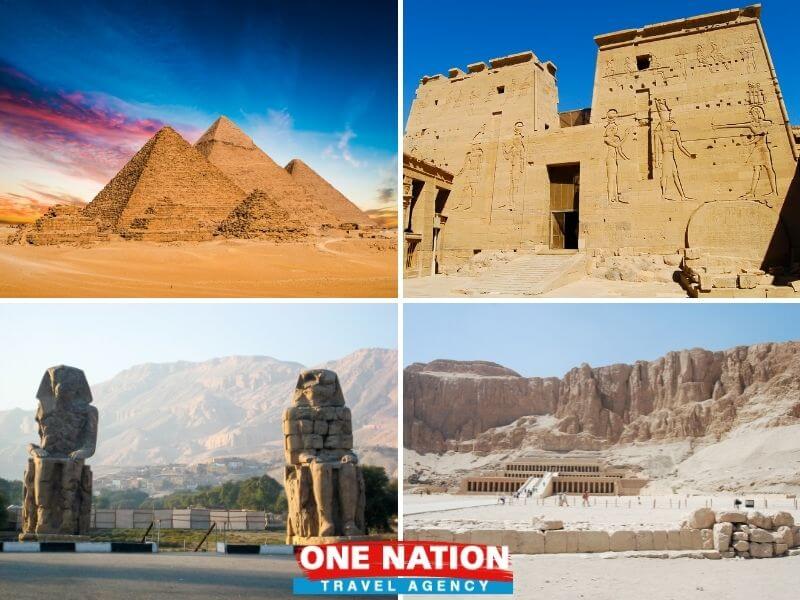

7-Day Egypt Tour: Cairo, Aswan, Luxor & Nile Cruise
Starting prices vary by date and party size. Check admissions, optional extras and the final itinerary before booking.