
 Turkey Tour Packages
7-Day Highlights of Turkey Tour: Istanbul, Pamukkale, Ephesus and Cappadocia
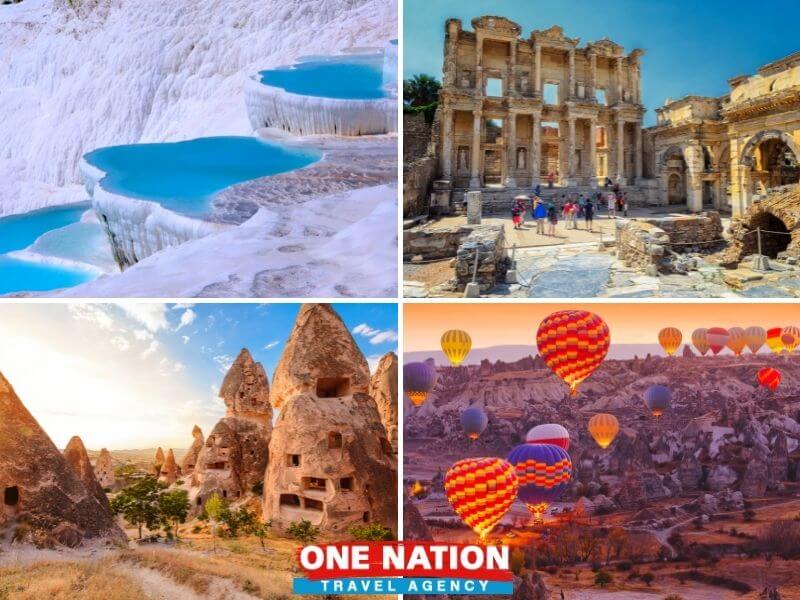
Visit Istanbul, Pamukkale, Ephesus, and Cappadocia on this 7-day, 6-night group tour that starts and ends in Istanbul. The route…
Everything you need to pack for a comfortable trip across Turkey, season by season.
Packing for Turkey means preparing for a country of contrasts: sun-soaked coastlines, cool mountain evenings, ancient ruins, and grand mosques. The right approach is to pack in layers, bring comfortable shoes for cobblestones and archaeological sites, and carry a modest cover-up and scarf for religious sites. This guide breaks down what to bring so you arrive ready for whatever your itinerary holds.
Turkey's climate varies widely, so layering is your best strategy. Summers are hot along the Aegean and Mediterranean coasts and warm in Istanbul, but they can be surprisingly cool in Cappadocia and the Anatolian highlands, especially at night and on early-morning balloon rides. Bring breathable T-shirts, a light long-sleeve layer, and a packable sweater or fleece you can add or remove as temperatures shift through the day.
Spring and autumn call for a mix of short and long sleeves plus a light jacket, while winter travelers should pack a warm coat, gloves, and a hat, as Istanbul and central Turkey can get cold, rainy, and even snowy. Whatever the season, choose comfortable, versatile pieces that mix and match, so you can dress for both city sightseeing and cooler evenings.
Turkey is home to some of the world's most beautiful mosques, and visiting them respectfully requires modest dress. Both men and women should have their shoulders and knees covered, so pack at least one outfit with longer sleeves and full-length trousers or a skirt. Avoid shorts and sleeveless tops when you plan to enter religious sites.
Women should carry a lightweight scarf to cover their hair inside mosques; it folds up small and slips easily into a day bag. Since you remove your shoes before entering, slip-on footwear or shoes that are easy to take off and put back on will make mosque visits smoother. Many larger mosques provide loaner scarves or wraps, but bringing your own is more comfortable and always reliable.
You will do a lot of walking in Turkey, often on uneven ground. Istanbul's historic districts have steep, cobblestone streets, and famous sites like Ephesus, Pergamon, Pamukkale, and the valleys of Cappadocia involve long stretches on rocky or slippery terrain. A broken-in pair of supportive walking shoes or sneakers is one of the most important things you can pack.
If you are visiting the coast or thermal pools, add a pair of sandals or water-friendly shoes. At Pamukkale you must walk barefoot on the travertine terraces, so easy-off footwear helps. For evenings out you might want something a little dressier, but prioritize comfort and grip over style for daytime exploring.
The Turkish sun can be strong, particularly in summer and along the southern coasts, but also at higher altitudes where UV exposure is intense even when the air feels cool. Pack a wide-brimmed hat or cap, sunglasses, and sunscreen with a good SPF rating, and reapply throughout the day when you are out among ruins or on the water.
Light, long-sleeved shirts do double duty by shielding your skin from the sun and keeping you covered for mosque visits. A small day pack is handy for carrying your sun gear, water, and layers as you move between shaded interiors and open-air sites.
Staying hydrated is essential, especially in the heat and while walking all day, so bring a reusable water bottle you can refill. This cuts down on plastic waste and is easy to top up at your hotel or accommodation. Many visitors drink bottled or filtered water while traveling, so plan to refill from a trusted source.
Round out your day bag with a few practical items: hand sanitizer and tissues, since some public restrooms may not stock paper; any personal medications in their original packaging; a small first-aid kit; and a light rain layer or compact umbrella in the cooler, wetter months. A cross-body bag or anti-theft day pack helps keep your essentials secure in busy markets and transit hubs.
Turkey uses 220V electricity at 50Hz with European-style Type C and Type F plugs, the round two-pin sockets common across continental Europe. If you are coming from a region with different outlets, bring a suitable plug adapter and check that your devices support 220V. Most modern phone and laptop chargers are dual-voltage, but hair dryers and other heat appliances from 110V countries may need a voltage converter, not just an adapter.
A power strip or multi-port USB charger paired with a single adapter lets you charge several devices at once from one outlet. Do not forget a portable power bank for long days of photos, maps, and navigation between sites, plus a camera if you want to capture Turkey's landscapes and architecture in their best light.
Turkey Tour PackagesVisit Istanbul, Pamukkale, Ephesus, and Cappadocia on this 7-day, 6-night group tour that starts and ends in Istanbul. The route…
 Cappadocia Tours
Explore Turkey’s volcanic landscapes on a 2-Day Cappadocia Small Group Tour from Istanbul with early hotel pickup, flights to Kayseri…
 Turkey Tours
Four days, three domestic flights and some of Turkey's best-known ancient sites. You'll fly from Istanbul to Denizli for the…
Turkey uses European-style Type C and Type F plugs, which have two round pins, running on 220V at 50Hz. If your home country uses different sockets or lower voltage, bring a Type C/F adapter and confirm your devices are dual-voltage. Heat appliances such as hair dryers from 110V countries may also need a voltage converter, not just an adapter.
Both men and women should cover their shoulders and knees, avoiding shorts and sleeveless tops. Women should also cover their hair, so carry a lightweight scarf. Since you remove your shoes before entering, slip-on footwear makes visits easier. Many larger mosques offer loaner scarves and wraps, but bringing your own is more comfortable.
No. In cities, coastal resorts, and tourist areas, everyday casual clothing is completely fine, and beachwear is normal at the beach and pool. Modest dress is mainly needed for mosques and other religious sites, and it is a respectful choice in more traditional or rural neighborhoods.
Comfortable, supportive walking shoes or sneakers are essential, since you will be on cobblestones and rocky ruins for hours at a time. Add sandals or water-friendly shoes for the coast and for spots like Pamukkale, where you walk barefoot on the travertine terraces.
Many travelers choose bottled or filtered water for drinking rather than tap water, especially outside major cities. Bring a reusable water bottle so you can refill from a trusted source, stay hydrated on long sightseeing days, and cut down on plastic waste.
Layering is the key. Summers are hot on the coasts but cooler in Cappadocia and the highlands, especially at night, so pack breathable clothes plus a light sweater. Spring and autumn call for a mix of layers and a light jacket, while winter needs a warm coat, gloves, and a hat for the colder, wetter interior.
All Istanbul Tours handles the details — tours, transfers, hotels, and licensed guides — so you can just enjoy the journey.
Plan My Trip — Free Quote