
 Turkey Tour Packages
7-Day Highlights of Turkey Tour: Istanbul, Pamukkale, Ephesus and Cappadocia
Visit Istanbul, Pamukkale, Ephesus, and Cappadocia on this 7-day, 6-night group tour that starts and ends in Istanbul. The route…
Snowy landscapes, fewer crowds, and rewarding low-season travel from December to February.
Winter transforms Turkey into a quieter, more atmospheric version of itself, from snow-dusted Cappadocia valleys to steaming thermal springs and softly lit Istanbul streets. It is the season of ski slopes, cozy tea houses, festive New Year lights, and shorter queues at the country's most famous sights. For travelers who don't mind cool weather, winter offers some of the best value and most memorable moments of the entire year.
Cappadocia is arguably at its most magical in winter, when snow settles over the fairy chimneys and rock valleys to create a landscape that looks almost otherworldly. Frosted cave dwellings, quiet hiking trails, and warm cave hotels make it a wonderfully peaceful time to explore.
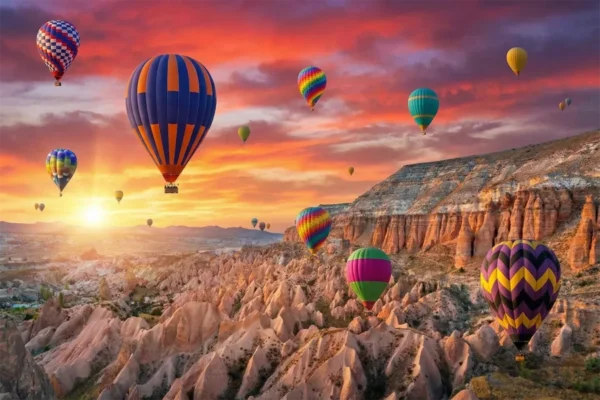
Hot-air balloon flights still operate through winter whenever conditions allow, and drifting over a white, glittering valley at sunrise is an unforgettable sight. Because flights depend on wind and weather and are more often cancelled in this season, it is wise to allow a few days in your itinerary so you have more chances to catch a clear morning.
Turkey has a growing ski scene, and winter is the season to enjoy it. Uludag, above the city of Bursa, is the most accessible resort from Istanbul and popular with families and beginners, while Palandoken near Erzurum in eastern Turkey offers long, high-altitude runs and reliably deep snow for more confident skiers and snowboarders.
Other resorts such as Kartalkaya near Bolu, Erciyes near Kayseri on the edge of the Cappadocia region, and Saklikent near Antalya round out the options. Facilities range from simple to modern, and many resorts pair skiing with cozy mountain lodges, making them a fun add-on to a broader Turkey trip.
Istanbul in winter has a special, moody charm. Mist rolls over the Bosphorus, ferries glide past under grey skies, and the great monuments feel far more intimate without the peak-season crowds. Sipping tea in a warm cafe as rain patters outside is one of the city's simplest winter pleasures.
This is an ideal season to explore the Hagia Sophia, the Blue Mosque, Topkapi Palace, and the Grand Bazaar with shorter lines and more breathing room. The Hagia Sophia and Blue Mosque are active mosques, so plan visits around prayer times and dress modestly. Occasional snowfall dusting the domes and minarets is a rare and beautiful bonus that many visitors treasure.
Cold weather is the perfect excuse to soak in Turkey's abundant thermal springs. Pamukkale's famous white travertine terraces are especially striking against a winter sky, and the warm mineral pools feel wonderful in the crisp air. Regions such as Afyonkarahisar and Bursa are long known for their spa and thermal traditions, along with other geothermal areas across the country.
Back in the cities, a visit to a traditional Turkish hammam is a soothing way to warm up. The ritual of steam, scrubbing, and relaxation is a centuries-old antidote to a chilly day and a memorable cultural experience in its own right.
While Turkey is a predominantly Muslim country, the New Year period is celebrated with real enthusiasm, and cities light up with decorations, sparkling trees, and a festive buzz through late December and into January. Shops, hotels, and public squares take on a cheerful glow, making it a lovely time for an urban winter break.
Winter is also a season of comforting food and drink. Warming dishes, hearty soups, roasted chestnuts sold from street carts, and steaming glasses of tea and salep, a sweet hot drink made from milk and orchid-root flour and dusted with cinnamon, are all part of the seasonal atmosphere that makes travel so cozy.
Winter is the low season for much of Turkey, which often means better availability, quieter attractions, and stronger value on accommodation and tours outside the ski resorts and the New Year peak. It is an excellent time for travelers who prefer a relaxed pace and want their photos free of crowds.
Daylight hours are shorter and some coastal resort towns run on a quieter schedule, with reduced services or seasonal closures, so it helps to plan sightseeing for the earlier part of the day. Focusing on the cities, Cappadocia, thermal regions, and ski areas will give you the most rewarding winter experience.
Layering is the key to comfort. Pack thermal base layers, warm sweaters, a windproof and waterproof coat, a hat, gloves, and a scarf, plus sturdy, water-resistant shoes for wet or snowy streets and trails. Cappadocia and eastern Turkey get genuinely cold, so bring heavier gear if you are heading there.
An umbrella or rain jacket is useful for wet days in Istanbul and along the coast. If you plan to visit mosques, carry a scarf to cover your head, dress modestly, and be ready to remove your shoes, and keep in mind that even sunny winter days can turn quite cold once the sun sets.
Turkey Tour PackagesVisit Istanbul, Pamukkale, Ephesus, and Cappadocia on this 7-day, 6-night group tour that starts and ends in Istanbul. The route…
 Cappadocia Tours
Explore Turkey’s volcanic landscapes on a 2-Day Cappadocia Small Group Tour from Istanbul with early hotel pickup, flights to Kayseri…
 Turkey Tours
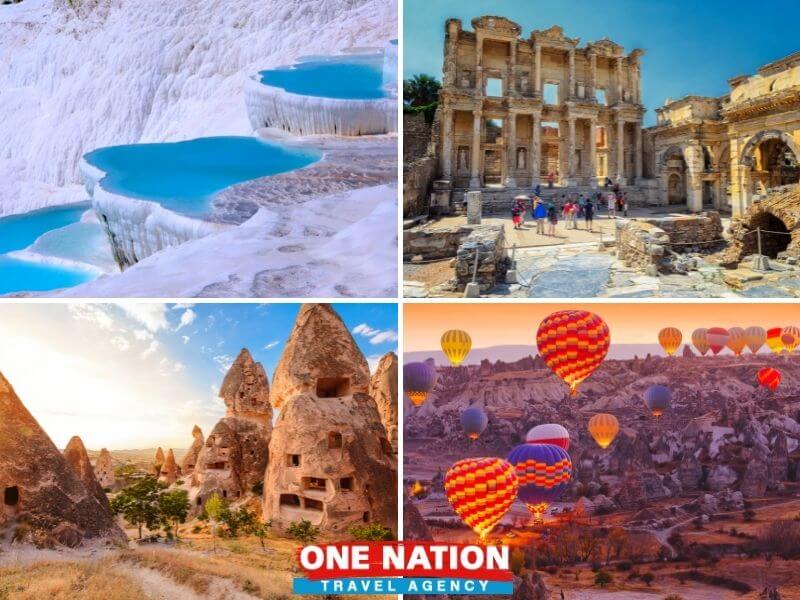
Four days, three domestic flights and some of Turkey's best-known ancient sites. You'll fly from Istanbul to Denizli for the…
Yes, especially if you enjoy quieter sights, snowy scenery, skiing, and good value. It is ideal for city breaks, Cappadocia, thermal springs, and ski resorts, though the Mediterranean and Aegean beach resorts are largely out of season.
Yes, balloons operate year-round whenever weather permits, and flying over snow-covered valleys is spectacular. Because winter flights are cancelled more often due to wind and low visibility, it is smart to plan a few days in Cappadocia to improve your chances of a clear morning.
It varies by region. Istanbul and the coasts are cool and often rainy, usually a few degrees above freezing, while Cappadocia and eastern Turkey can be well below freezing with regular snow. Pack warm, waterproof layers accordingly.
Yes. Popular resorts include Uludag near Bursa, Palandoken near Erzurum, Kartalkaya near Bolu, Erciyes near Kayseri, and Saklikent near Antalya, offering runs for beginners through to experienced skiers during the winter months.
Yes, Turkey's main sights such as the Hagia Sophia, Blue Mosque, Topkapi Palace, Grand Bazaar, and Pamukkale remain open, and you will often enjoy them with far fewer crowds. The Hagia Sophia and Blue Mosque are working mosques, so time visits around prayer hours. Some smaller coastal businesses may run reduced hours or close for the season.
Bring warm layers, a waterproof and windproof coat, a hat, gloves, a scarf, and sturdy water-resistant shoes. Add heavier gear for Cappadocia or eastern Turkey, rain protection for wet days, and a scarf for covering your head when visiting mosques.
All Istanbul Tours handles the details — tours, transfers, hotels, and licensed guides — so you can just enjoy the journey.
Plan My Trip — Free Quote