
Gallipoli Travel Guide
Gallipoli (Gelibolu) is a windswept peninsula on Turkey's northwestern coast, where the narrow Dardanelles strait separates Europe from Asia. It is best known as the site of the 1915 World War I campaign, and today its quiet battlefields, cemeteries, and…
Explore tours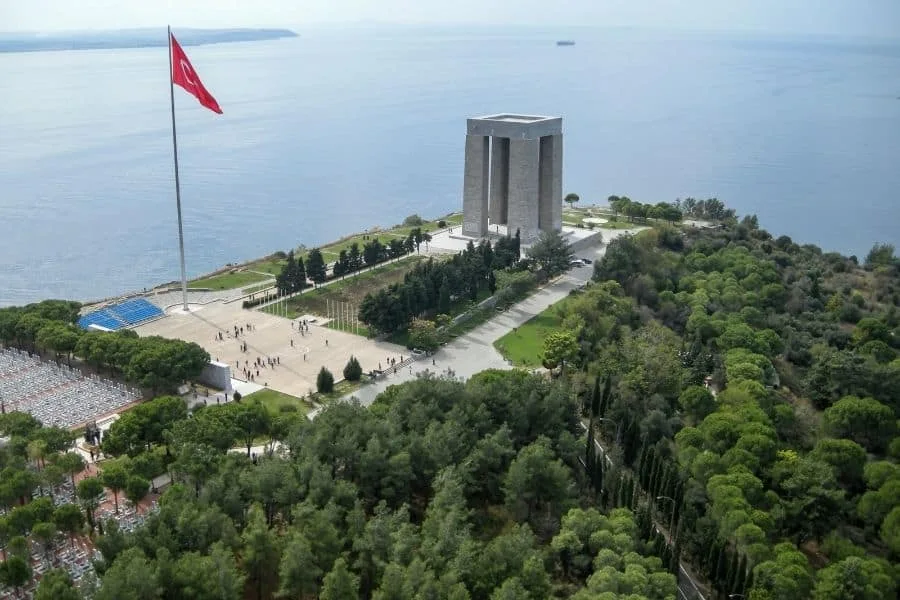
Tours featured in this guide
 Day trip
1-Day Gallipoli Battlefields Tour from Istanbul
Shared group tour From €140 per person
5-Day Istanbul, Ephesus, Gallipoli & Troy Tour
Shared group tour From €905 per person 11 days
11-Day Istanbul, Cappadocia, Pamukkale, Ephesus, Pergamon, Troy & Gallipoli Tour
Shared group tour From €1,680 per person 8 days
8-Day Turkey Tour: Istanbul, Gallipoli, Troy, Pergamon, Ephesus & Cappadocia
Shared group tour From €1,580 per person 7 days
7-Day Gallipoli, Troy, Pergamon, Pamukkale, Ephesus and Cappadocia Tour
Shared group tour From €1,328 per person 13 days
13-Day Highlights of Turkey Tour: Istanbul, Gallipoli, Troy, Pergamon, Ephesus, Pamukkale, Antalya, Cappadocia & Ankara
Shared group tour From €1,748 per personOn this page
📍 Top Things to Do in Gallipoli
The experiences worth building your trip around.
1Anzac Cove
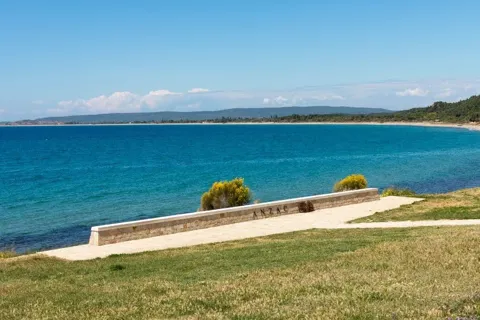
The small, pebbly bay where Australian and New Zealand troops landed at dawn on 25 April 1915, now a place of quiet reflection. It remains the emotional heart of any Gallipoli visit.
2Lone Pine Memorial and Cemetery
The principal Australian memorial on the peninsula, marking the fierce hand-to-hand battle of August 1915. Rows of headstones and the tall central memorial commemorate thousands of the fallen whose graves are unknown.
3Chunuk Bair
A high ridge that was a key objective of the August offensive and offers commanding views over the battlefields and the strait. It holds the New Zealand Memorial and a large statue of Ataturk, who commanded Ottoman forces here.
457th Infantry Regiment Memorial
A moving Turkish memorial honoring the Ottoman regiment that fought almost to the last man defending the Anzac ridges. It includes a cemetery, statues, and a peaceful colonnaded courtyard with fountains.
5Cape Helles and the Helles Memorial
At the southern tip of the peninsula, this was the main British and French landing area, marked by a tall obelisk overlooking the Dardanelles. Nearby V Beach and W Beach were the scene of costly landings on 25 April 1915.
6Canakkale Epic Promotion Center
A large, mostly underground museum near Kabatepe that uses eleven galleries of films, panoramas, and 3D simulations to recreate the 1915 campaign from the Turkish perspective. It offers valuable context before touring the battlefields, with audio guides in several languages.
7The Nek
A narrow ridge between the Anzac trenches where the 3rd Australian Light Horse Brigade charged into Ottoman fire in successive waves on 7 August 1915, suffering devastating losses. A small cemetery now marks the ground made famous by the film Gallipoli.
8Canakkale Martyrs' Memorial
A colossal stone monument on Hisarlik Hill above Morto Bay, honoring the roughly quarter-million Ottoman soldiers who defended the Dardanelles. Signposted across the peninsula as the Abide, it is the focal point of Turkey's national remembrance.
🗺 Suggested 3-Day Itinerary
A relaxed, realistic plan you can adapt to your pace.
Day 1
Canakkale base and orientation
Settle into Canakkale, the lively waterfront city that is the natural hub for visiting Gallipoli, and stroll its harbor promenade and clock tower. Visit the Military Museum at Cimenlik Castle to see the full-scale replica of the minelayer Nusret, which laid the mines that crippled the Allied fleet on 18 March 1915. In the evening, enjoy fresh seafood along the quay and watch ships pass through the Dardanelles.
Day 2
Gallipoli battlefields
Cross to the peninsula by ferry (or join a guided tour) and spend the day at the key Anzac sites: Anzac Cove, Lone Pine, Chunuk Bair, The Nek, and the 57th Infantry Regiment Memorial. Start at the Epic Promotion Center near Kabatepe for context, then continue to the southern memorials around Cape Helles and the Canakkale Martyrs' Memorial at Morto Bay. Allow the full day, as the sites are spread across pine-covered ridges and coastline.
Day 3
Troy and the Asian shore
Back on the Asian side of the Dardanelles, visit the ancient ruins of Troy, setting of the legendary Trojan War, along with its striking modern museum and the wooden-horse replica. If time allows, relax on the beaches south of Canakkale or wander the city's Aegean-flavored old quarter before departing. This blends deep history with a gentler final day.
☀ Best Time to Visit
Late spring (April to June) and early autumn (September to October) are the most pleasant times to visit, with mild temperatures ideal for walking the open battlefields. April is especially significant, as Anzac Day on 25 April draws large crowds to the dawn service at Anzac Cove, so book far ahead if you plan to attend. Summers can be hot and exposed, while winters are cool, windy, and quiet.
See the Month-by-Month Guide →🚌 Getting There & Around
Most travelers base themselves in Canakkale, the closest city, which sits on the Asian shore of the Dardanelles and connects to the peninsula by a short car-and-passenger ferry to Eceabat (or via the Canakkale 1915 Bridge to the north). Canakkale has a small airport with flights from Istanbul, but many visitors arrive by intercity bus (roughly five to six hours from Istanbul) or drive. From Canakkale, the Gallipoli battlefields are best reached by organized day tour, private transfer, or rental car, since the sites are spread over a large national park with limited public transport. On the peninsula itself you move between cemeteries and memorials by vehicle, with short walks at each stop, so a guided tour is the most efficient and informative way to see the highlights in a single day.
🏨 Where to Stay
Best areas to base yourself in Gallipoli.
Canakkale waterfront
The most convenient and lively base, with hotels, restaurants, and the Eceabat ferry all within easy reach of the harbor.
Eceabat
A small town on the peninsula shore at the ferry landing, ideal for travelers who want to be closest to the battlefields and start touring early.
Gelibolu town
The peninsula's namesake town to the north, quieter and more local, suited to those exploring the area by car at a relaxed pace.
🎫 Recommended Gallipoli Tours
Expertly guided tours and packages that cover the highlights above.
💡 Practical Tips
✓Wear comfortable shoes and dress in layers
The battlefields involve a lot of walking on uneven ground between sites, and the peninsula is often windy even on warm days. Sturdy footwear and a light jacket make the day far more comfortable.
✓Bring sun protection and water
Many memorials and cemeteries are open and exposed with little shade. Carry a hat, sunscreen, and water, especially in summer.
✓Consider a guided tour
The sites are spread across a large area and rich in history that is easy to miss on your own. A knowledgeable guide brings the events of 1915 to life and handles the logistics of getting between locations.
✓Visit with respect
Gallipoli is an active place of remembrance and burial for soldiers of many nations. Speak quietly, stay on the paths, and treat the cemeteries and memorials with the solemnity they deserve.
❓ Gallipoli Travel FAQ
Where is Gallipoli and how do I get there?
Gallipoli is a peninsula in northwestern Turkey on the Dardanelles strait. Most visitors base in nearby Canakkale, reachable by bus, car, or a short flight from Istanbul, then cross to the peninsula by ferry or the Canakkale 1915 Bridge.
How long do I need to see Gallipoli?
The main battlefields can be seen in one full day. Pairing them with Canakkale and the ancient site of Troy makes for a rewarding two- to three-day trip.
Can I visit Gallipoli as a day trip from Istanbul?
It is possible but long, as it involves several hours of travel each way. Many travelers prefer to stay overnight in Canakkale or Eceabat for a more relaxed experience.
What is the best way to tour the battlefields?
A guided tour is the most popular option because the sites are spread out and full of history that is easy to overlook alone. Private transfers or a rental car also work well for independent travelers.
What should I know about Anzac Day?
Anzac Day on 25 April marks the 1915 landings with a large dawn service at Anzac Cove. It draws big crowds, so transport and accommodation should be booked well in advance.
Is Gallipoli suitable for families and older travelers?
Yes, though it involves walking between sites on uneven terrain, so comfortable shoes help. The memorials are reached by vehicle with only short walks in between.