
 Pin it
Yes, Istanbul is safe for tourists in 2026. Turkey’s largest city welcomes over 20 million international visitors annually, and the vast majority enjoy their trips without incident. Like any major global metropolis — think London, Paris, or New York — Istanbul requires common-sense precautions. Petty crime like pickpocketing exists in crowded tourist areas, but violent crime against visitors is extremely rare. With a visible police presence, modern infrastructure, and a deeply hospitable culture, Istanbul remains one of the most rewarding destinations in Europe and Asia.
As a travel team based in Istanbul, we’ve spent years helping visitors navigate this magnificent city. In this guide, we’ll share honest, practical safety tips for 2025 so you can focus on what really matters: soaking in the history, the food, and the unforgettable energy of a city that bridges East and West.
Current Safety Situation in Istanbul: What the Data Says
Istanbul’s safety profile has improved significantly over the past several years. Turkey has invested heavily in tourism security, and Istanbul benefits from extensive CCTV coverage, dedicated tourist police units, and well-patrolled public spaces. The UK Foreign, Commonwealth & Development Office (FCDO), US State Department, and Australian DFAT all consider Istanbul safe for general travel, while advising standard precautions.
Crime Rates Compared to Other Major Cities
According to Numbeo’s 2024–2025 Safety Index, Istanbul scores comparably to — and often better than — many popular European destinations. The city’s overall crime index is lower than Rome, Barcelona, and Athens. Violent crime directed at tourists is exceptionally rare. The primary concerns are:
- Pickpocketing in busy areas like the Grand Bazaar, Istiklal Avenue, and Sultanahmet Square
- Bag snatching on crowded public transport during rush hour
- Scams targeting first-time visitors (more on these below)
None of these are unique to Istanbul, and all are easily preventable with basic awareness.
Is Istanbul Safe for Solo Female Travelers?
Istanbul is generally safe for solo female travelers, and thousands visit independently every year. Turkish culture places a high value on hospitality, and locals are often genuinely helpful. That said, some practical tips apply: dress modestly when visiting mosques, avoid poorly lit back streets late at night, and trust your instincts if a situation feels uncomfortable. Many women find that joining a guided tour for the first day or two helps them get oriented. Our Full Day Istanbul Classic & Bosphorus Cruise Combination Tour (from €180) is an excellent way to see the city’s highlights with an experienced local guide while getting your bearings.
Common Tourist Scams in Istanbul and How to Avoid Them
Forewarned is forearmed. Here are the most common scams you might encounter in Istanbul in 2025, along with straightforward ways to sidestep them.
The Friendly Shoe Shiner
A shoe shiner “accidentally” drops his brush near you, and when you kindly pick it up, he insists on shining your shoes as a thank-you — then demands an exorbitant fee. Simply smile, say “no thank you” (or “hayır, teşekkürler”), and walk on.
The Bar or Restaurant Scam
A friendly stranger invites you for a drink at a specific bar or club. Once inside, you’re hit with a wildly inflated bill — sometimes hundreds of euros. This scam primarily targets solo male travelers around Taksim and Istiklal Avenue at night. The rule is simple: never go to a venue suggested by someone you just met on the street.
Overcharging Taxis
While Istanbul’s taxi system has improved with the introduction of app-based services, some drivers still take longer routes or “forget” to start the meter. Use BiTaksi or Uber for transparent pricing, or ask your hotel to call a reputable taxi company. As of 2025, the base taxi fare is approximately ₺35 (around €1), with rates of roughly ₺20 per kilometer.
Carpet Shop Pressure Sales
Istanbul’s carpet culture is legendary, and many shops are legitimate businesses. However, some use high-pressure tactics, offering tea and conversation before making you feel obligated to buy. Remember: you’re never obligated to purchase anything, and it’s perfectly polite to leave after enjoying the hospitality.
Pro Tip from Our Local Team: Keep a photocopy of your passport in a separate location from the original. Store your valuables in your hotel safe, and carry only the cash you need for the day. A simple cross-body bag worn in front is far more secure than a backpack in crowded markets. If you ever feel lost or unsafe, look for the nearest “Turizm Polisi” (Tourist Police) officer — they’re stationed throughout Sultanahmet and other popular areas and many speak English.
Safest Neighborhoods in Istanbul for Tourists in 2025
Istanbul is a sprawling city of 16 million people, and not every neighborhood is equally relevant to visitors. Here are the areas where most tourists spend their time, all of which maintain strong safety records:
Sultanahmet (Old City)
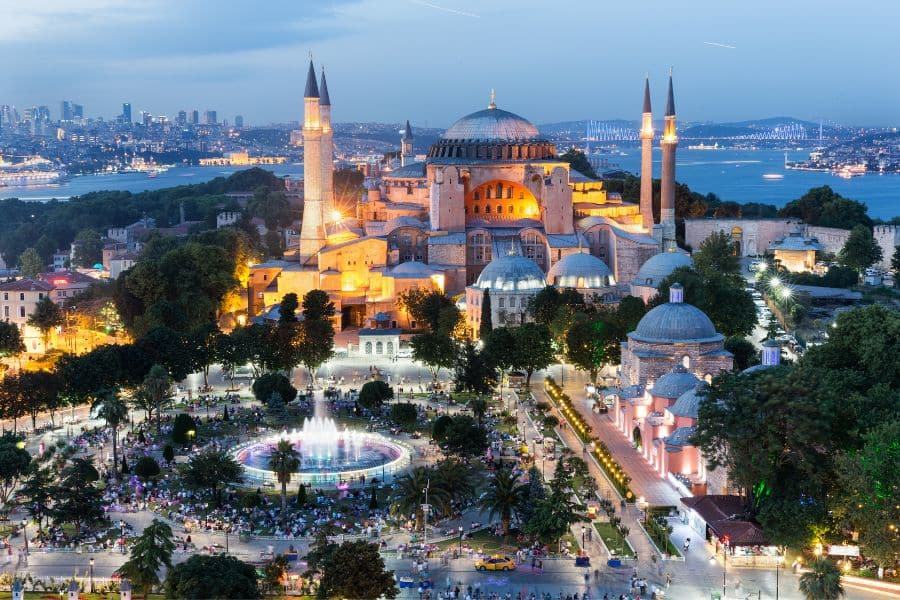
Home to Hagia Sophia, the Blue Mosque, Topkapi Palace, and the Basilica Cistern, Sultanahmet is the historical heart of Istanbul and its most heavily policed tourist zone. It’s safe to walk around day and night, though the usual pickpocketing precautions apply in crowded spots. Accommodation options range from boutique hotels in restored Ottoman houses to international chains.
Beyoğlu and Taksim
The cultural hub of modern Istanbul, centered around Istiklal Avenue and Taksim Square. Bustling with restaurants, galleries, and nightlife, this area is vibrant and generally safe. Exercise normal caution late at night around the side streets off Istiklal, and be mindful of the bar scam mentioned above.
Kadiköy (Asian Side)
Often overlooked by first-time visitors, Kadiköy offers an authentic, local Istanbul experience with excellent food markets, street art, and a relaxed atmosphere. Crime rates here are notably low, and the ferry ride across the Bosphorus is an experience in itself.
Beşiktaş and Ortaköy
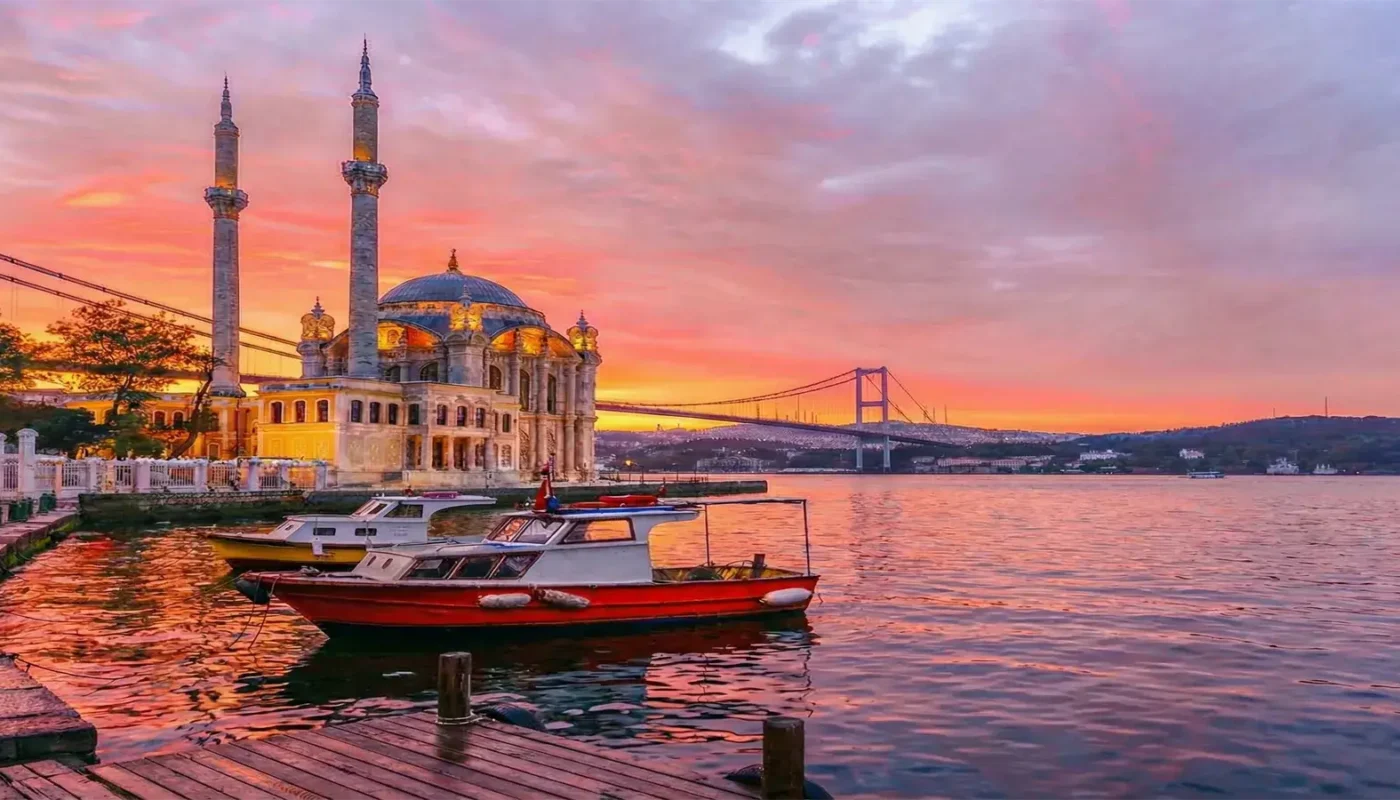
Lively waterfront neighborhoods popular with both locals and visitors, offering Bosphorus views, excellent dining, and a youthful energy. These are safe, well-lit areas ideal for evening strolls. If you’d like to experience the Bosphorus from the water, our Bosphorus Cruise and Two Continents Tour (from €160) covers both the European and Asian sides with expert commentary.
Transportation Safety: Getting Around Istanbul Securely
Istanbul’s public transport network is extensive, affordable, and largely safe. Here’s what you need to know:
The Istanbulkart
Purchase an Istanbulkart at any metro station or kiosk for seamless access to trams, buses, metros, ferries, and funiculars. A single ride costs approximately ₺20 (about €0.55). This rechargeable card saves money and eliminates the need to carry large amounts of cash. In 2025, contactless credit card payments are also accepted on most public transport.
Metro and Tram
The T1 tram line connects the airport shuttle at Kabataş through Sultanahmet to the Grand Bazaar area — it’s the most useful line for tourists. The metro system is clean, well-lit, and equipped with security cameras. Avoid rush hours (7:30–9:30 AM and 5:00–7:30 PM) when carriages get extremely crowded.
Taxis and Rideshares
As mentioned, use BiTaksi or Uber to avoid meter disputes. Yellow taxis are ubiquitous, but turquoise taxis (newer, higher-end vehicles) are generally more reliable. Always confirm that the meter is running before departure. A ride from Sultanahmet to Taksim should cost approximately ₺200–250 (€5–7).
Walking
Istanbul’s main tourist districts are very walkable during daylight hours. Sidewalks can be uneven, so comfortable shoes are essential. Stick to well-lit, populated streets at night — a good rule for any major city.
Health and Emergency Information for Istanbul Visitors
Emergency Numbers
- General Emergency: 112 (ambulance, fire, police — operators often speak English)
- Tourist Police: 0212 527 4503
- Police: 155
Healthcare
Istanbul has numerous world-class private hospitals with English-speaking staff, including American Hospital, Acıbadem, and Memorial. EU citizens should carry a European Health Insurance Card (EHIC), while all visitors are strongly advised to purchase comprehensive travel insurance before departure. Pharmacies (“eczane”) are plentiful, and pharmacists often speak basic English.
Water and Food Safety
Tap water in Istanbul is technically treated but most locals and visitors drink bottled or filtered water. Street food is a huge part of the Istanbul experience — vendors selling simit (sesame bread rings), balık ekmek (fish sandwiches), and roasted chestnuts are generally safe. Choose stalls with high turnover and visibly fresh ingredients.
Natural Hazards
Istanbul sits in a seismically active zone, and earthquake preparedness is taken seriously. Hotels follow updated building codes, and the city conducts regular emergency drills. Familiarize yourself with your hotel’s evacuation plan upon check-in.
How Guided Tours Enhance Your Safety and Experience
One of the best ways to feel confident exploring Istanbul — especially on your first visit — is to join a professionally guided tour. Beyond safety, a knowledgeable guide helps you skip long ticket lines, understand the cultural context of what you’re seeing, and discover hidden gems you’d never find on your own.
If you’re planning to explore beyond Istanbul as well, consider our 9-Day Turkey Tour: Istanbul, Pamukkale, Ephesus, Cappadocia and Ankara (from €1,580), which handles all logistics including domestic flights, accommodation, and expert guides throughout. For a shorter but equally comprehensive experience, the 7-Day Best of Turkey: Istanbul, Cappadocia & Ephesus (from €1,428) covers three of Turkey’s most iconic regions with seamless transfers and curated itineraries.
Both options allow you to relax and enjoy your trip without worrying about navigation, language barriers, or transportation logistics — all factors that contribute to a safer, smoother travel experience.
Essential Safety Tips: Your Quick-Reference Checklist
Here’s a practical summary of everything we’ve covered, formatted for quick reference:
- Register with your embassy: Enroll in your country’s travel advisory program (e.g., US STEP, UK FCDO) for real-time safety updates.
- Get travel insurance: Non-negotiable. Make sure it covers medical evacuation and trip cancellation.
- Use licensed transport: Stick to BiTaksi, Uber, or hotel-arranged transfers. Always confirm the meter is running.
- Guard against pickpockets: Use a cross-body bag, avoid putting phones in back pockets, and stay alert in crowds.
- Decline unsolicited invitations: If a stranger invites you to a specific bar, restaurant, or shop, politely decline.
- Respect local customs: Cover shoulders and knees when entering mosques. Remove shoes at mosque entrances.
- Stay connected: Purchase a local SIM card or eSIM for reliable GPS and communication. Turkcell, Vodafone Turkey, and Türk Telekom offer tourist packages from around €20 for 20GB.
- Learn a few Turkish phrases: “Yardım edin” (help me), “teşekkür ederim” (thank you), and “günaydın” (good morning) go a long way.
- Carry your hotel’s address card: Ask the front desk for a business card with the hotel address in Turkish — invaluable if you need to show a taxi driver.
- Trust your instincts: If something feels off, remove yourself from the situation. Istanbul is a friendly city, and genuine help is never far away.
Insider Advice: The best time to visit Istanbul’s major attractions is early morning (before 9:00 AM) or late afternoon (after 4:00 PM). Not only will you avoid the largest crowds — reducing pickpocketing risk — but you’ll also enjoy softer light for photography and shorter queues. For an expertly timed itinerary, our 5-Day Istanbul, Ephesus, Gallipoli and Troy Tour (from €905) is designed to maximize your time at each destination while minimizing stress.
The Verdict: Should You Visit Istanbul in 2026?
Absolutely. Istanbul is not only safe for tourists in 2025 — it’s one of the most electrifying, culturally rich, and gastronomically rewarding cities on the planet. With its storied mosques, Byzantine treasures, vibrant bazaars, and a food scene that rivals any world capital, the city delivers experiences that stay with you for a lifetime. Exercise the same precautions you would in any major international city, stay informed, and consider booking a guided tour for added peace of mind and deeper cultural immersion. Istanbul is ready for you — and it’s more than worth the trip.


