
 6 to 7 Day Turkey Tours
7-Day Highlights of Turkey Tour: Istanbul, Pamukkale, Ephesus and Cappadocia
Visit Istanbul, Pamukkale, Ephesus, and Cappadocia on this 7-day, 6-night group tour that starts and ends in Istanbul. The route…
Pamukkale, meaning "Cotton Castle" in Turkish, is one of Turkey's most surreal natural wonders: a hillside of gleaming white travertine terraces formed over millennia by mineral-rich thermal waters cascading down the slope. Perched directly above these calcite pools lie the extensive ruins of Hierapolis, an ancient Greco-Roman spa city, making it a rare UNESCO World Heritage Site where dramatic geology and classical archaeology sit side by side.
The experiences worth building your trip around.
Wade barefoot (compulsory to protect the surface) up the dazzling white calcite pools that give Pamukkale its name, stepping through warm mineral water with sweeping views over the Curuksu valley below.
Wander the ruins of this spa town founded by the kings of Pergamon around 190 BC, taking in the colonnaded Frontinus Street, monumental gates, agora and Roman bath complexes spread across the plateau above the terraces.
Bathe among submerged fragments of fluted marble columns toppled by an ancient earthquake, in a warm, naturally carbonated thermal spring long linked by legend to Cleopatra.
Admire one of the best-preserved Roman theatres in Anatolia, its stage building still adorned with detailed carved reliefs and its tiered seating, once holding thousands, built into the hillside.
Set inside the restored Roman baths, the museum displays sarcophagi, statues, reliefs and small finds excavated from Hierapolis and neighbouring Lycus valley sites such as Laodicea and Tripolis.
Explore one of the largest ancient cemeteries in Anatolia, where more than a thousand tombs, tumuli and sarcophagi in varied styles line the approach to the northern gate of Hierapolis.
Peer into the sanctuary of Pluto, a small cave that still emits lethal carbon dioxide from the fault below; ancient priests used the deadly vapours to convince onlookers of their connection to the underworld.
For an unforgettable aerial view of the white terraces at sunrise, join a hot air balloon ride over the valley, or tandem paraglide above the Cotton Castle for a bird's-eye perspective.
A relaxed, realistic plan you can adapt to your pace.
Base yourself in Pamukkale village at the foot of the hill. Spend the day walking barefoot up the travertine terraces, then explore the ruins of Hierapolis on the plateau above, including the theatre, colonnaded Frontinus Street, Ploutonion and vast necropolis. Finish with a warm swim among fallen ancient columns in Cleopatra's Antique Pool.
Start close to home at Laodicea, one of the biblical Seven Churches of Revelation, whose stadium, theatres and restored church lie about 15 minutes from Pamukkale. In the afternoon drive roughly 90 minutes to Aphrodisias to see its exceptional stadium, the Temple of Aphrodite, the tetrapylon gateway and one of Turkey's finest sculpture museums, returning to Pamukkale in the evening.
Catch the terraces at sunrise for softer light and thinner crowds, then head out to the Kaklik Cave, an underground travertine grotto often called a miniature Pamukkale, about 45 minutes away. Round off in Denizli, the regional hub, browsing its bazaars and sampling Aegean cuisine before your onward journey.
The best times to visit Pamukkale are spring (April to June) and autumn (September to October), when temperatures are pleasant and the crowds thinner. Summer is very hot and busy, though the water on the terraces stays refreshingly warm, while winter is quiet and mild but can turn chilly and grey. For the most magical experience, arrive soon after opening or toward sunset, when the white terraces glow and the day-trip crowds thin out.
See the Month-by-Month Guide →The main gateway to Pamukkale is Denizli, whose Cardak Airport (about an hour's drive east of the site) receives domestic flights from Istanbul and other Turkish cities. Denizli is also a major intercity coach and rail hub, well connected to Izmir, Antalya, Selcuk (for Ephesus) and beyond; from Denizli's otogar (bus station) frequent minibuses (dolmus) cover the short 20 km run to Pamukkale village. Many travellers arrive on a day trip or overnight stop from the Aegean coast, and organized day tours are common. Once there, Pamukkale village is small and walkable, the travertines and Hierapolis are explored entirely on foot, and a rental car or taxi is helpful for reaching outlying sites like Laodicea, Aphrodisias and Kaklik Cave.
Best areas to base yourself in Pamukkale.
The most convenient base, a small village directly at the foot of the terraces with plentiful guesthouses and thermal-pool hotels within walking distance of the lower entrance.
A spa village a few kilometres north known for its iron-rich red thermal springs, ideal if you want larger thermal resort hotels and a wellness focus.
The regional city about 20 km away, offering a wider range of hotels, restaurants and transport links for those who prefer an urban base.
Expertly guided tours and packages that cover the highlights above.
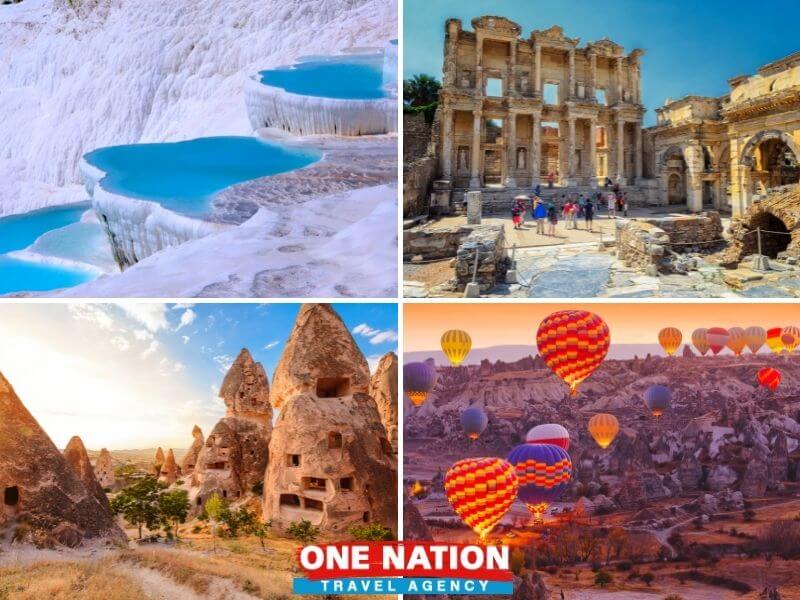
6 to 7 Day Turkey ToursVisit Istanbul, Pamukkale, Ephesus, and Cappadocia on this 7-day, 6-night group tour that starts and ends in Istanbul. The route…
 4 to 5 Day Turkey Tours
Four days, three domestic flights and some of Turkey's best-known ancient sites. You'll fly from Istanbul to Denizli for the…
 Turkey Tour Packages
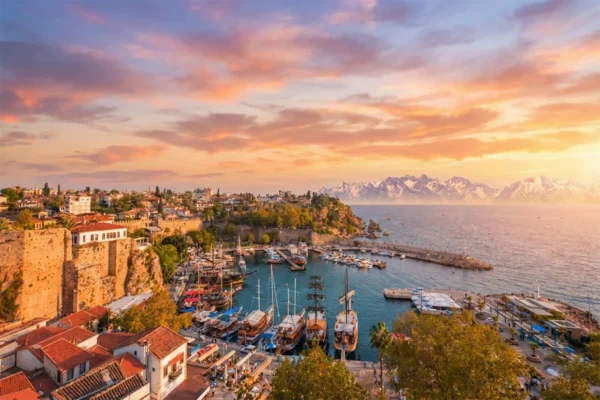
Experience the best of Turkey on this 7-Day Antalya, Pamukkale, Ephesus and Cappadocia Guided Tour, a comprehensive multi-day journey through…
 Turkey Tour Packages
The 9-Day Turkey Tour: Istanbul, Pamukkale, Ephesus, Cappadocia and Ankara guides you through Turkey's most celebrated cities, ancient sites, and…
 8 to 9 Day Turkey Tours
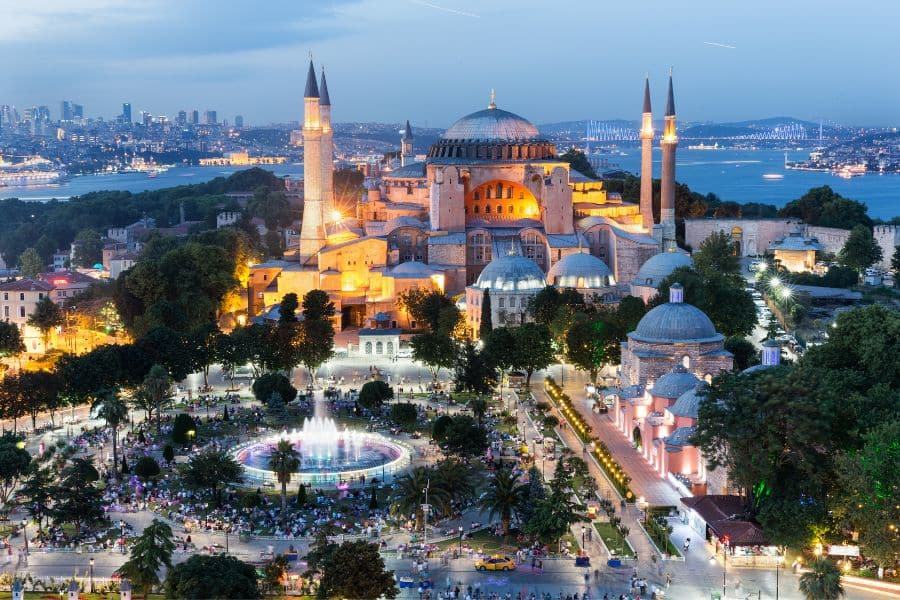
Begin in Istanbul and travel across Turkey on this 8-day Best of Turkey Tour linking four very different regions. After…
TurkeyExplore Istanbul, Cappadocia, Pamukkale, Ephesus, Pergamon, Troy, and Gallipoli on this 11-day tour through Turkey's history and landscapes. Begin in…
Shoes are banned on the travertines to protect the delicate calcite surface, so wear footwear you can slip off and carry; the wet calcite can be slippery underfoot in places.
Pack a swimsuit for Cleopatra's Pool and the terrace pools, plus a hat, sunscreen and water, as much of the site is open and highly reflective with very little shade.
Come early morning or late afternoon for softer light and fewer tour groups, and set aside at least half a day, as the terraces and the sprawling Hierapolis ruins cover a large area.
Keep some Turkish lira for smaller vendors and dolmus rides, and bring sturdy, comfortable clothing and shoes for exploring the extensive Hierapolis ruins beyond the terraces.
Pamukkale is a natural site in southwestern Turkey where mineral-rich thermal water has built striking white terraces of travertine (calcium carbonate) cascading down a hillside. Above the terraces stands the ancient Greco-Roman spa city of Hierapolis, and together they form a UNESCO World Heritage Site.
Yes. You can wade in the shallow warm pools on the travertine terraces, and you can also swim in Cleopatra's Antique Pool among submerged Roman columns, which has a separate entry fee.
You can see the highlights of the terraces and Hierapolis in about half a day, but a full day lets you take in the ruins, museum and pool at a relaxed pace. Staying overnight adds the option of early-morning or sunset visits and time for nearby sites.
Most visitors travel via Denizli, which has an airport and major bus and rail connections; from there it is a short minibus or taxi ride to Pamukkale village. It is also a popular day-trip or overnight stop from Aegean destinations like Ephesus and Izmir.
Yes. Walking on the travertine terraces is only allowed barefoot, to protect the fragile calcite surface, so wear footwear you can easily remove and carry with you.
Nearby highlights include the ancient city of Laodicea, the remarkable ruins of Aphrodisias with its stadium and sculpture museum, the red thermal springs of Karahayit, and the Kaklik Cave, sometimes called an underground Pamukkale.
Let All Istanbul Tours build your Pamukkale trip — transfers, hand-picked hotels, and licensed local guides, all in one package.