
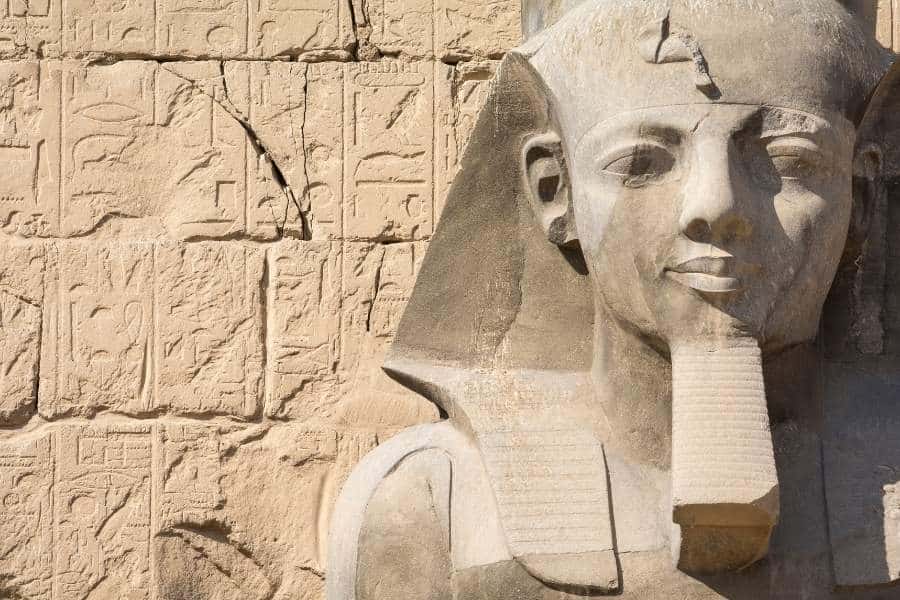
Ancient Pharaohs
Luxor, Egypt, offers an unparalleled journey into the world of the ancient pharaohs, often called the largest open-air museum on earth. Key sites include the Valley of the Kings, where tombs of legendary pharaohs, such as Tutankhamun, reveal tales of the afterlife through vibrant murals. The awe-inspiring Karnak Temple, dedicated to Amun-Ra, showcases grand columns and detailed carvings, while Luxor Temple stands as a testament to Ramses II’s reign with towering statues and detailed reliefs. Positioned along the scenic Nile, Luxor provides an immersive experience of the architectural prowess and spiritual heritage of ancient Egypt.
Plan your visit
Tours to consider for Ancient Pharaohs
Compare the route, time available and what is included. A guided tour does not override venue closures, entry rules or security checks.
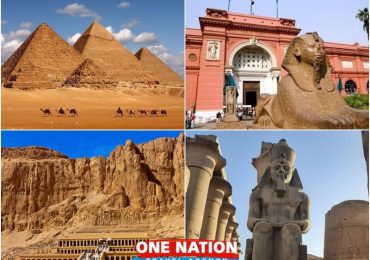
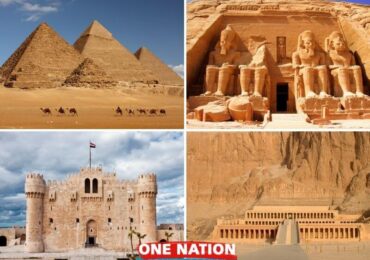
8 Days Cairo, Aswan, Abu Simbel, Luxor and Alexandria Tour

Starting prices vary by date and party size. Check admissions, optional extras and the final itinerary before booking.