
 Istanbul
Hagia Sophia
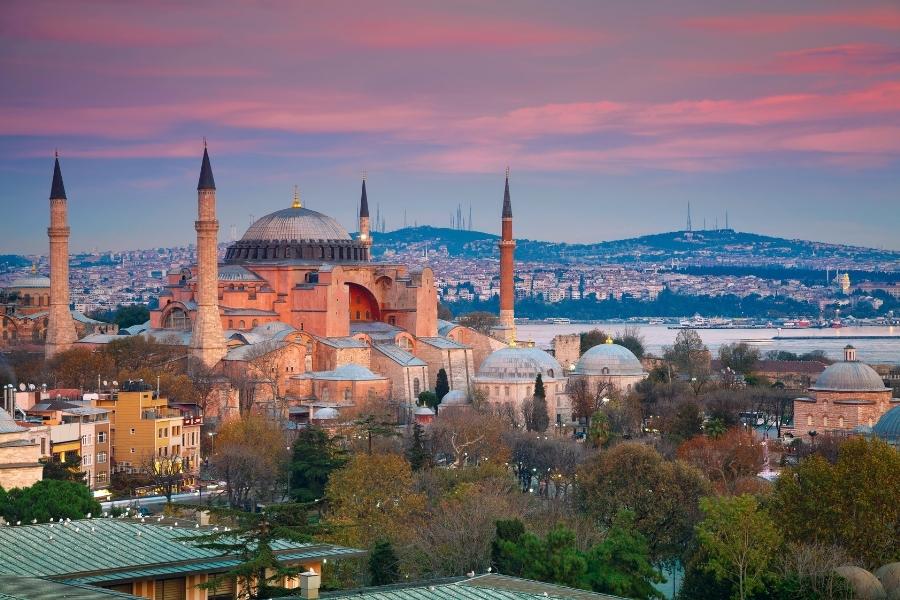
Hagia Sophia is the landmark that defines Istanbul’s skyline and explains much of the city’s layered identity. Standing between the Blue Mosque and Topkapi Palace, it brings together Byzantine engineering, Ottoman devotion, and modern-day worship in one unforgettable space. A visit is not only about seeing a famous monument; it is about standing inside a building that shaped empires for nearly 1,500 years.
History and significance
Commissioned by Emperor Justinian and completed in 537, Hagia Sophia was the largest cathedral of the Byzantine world and a symbol of Constantinople’s power. After the Ottoman conquest in 1453, it became an imperial mosque, gaining minarets, a mihrab, a minbar, and monumental calligraphy medallions. Many first-time travelers meet Hagia Sophia as part of a classic Istanbul introduction, and the 7-Day Best of Turkey: Istanbul, Cappadocia & Ephesus places it within a broader route linking the city’s Byzantine and Ottoman heritage with other major Turkish highlights.
What to see inside
The first thing most visitors notice is the great central dome, an architectural achievement that still feels daring today. From the visitor gallery, you can look across the vast nave toward the mihrab and see how Christian and Islamic elements coexist in the same sacred volume. The marble revetments, columns, and shifting light create a different atmosphere depending on the hour of day.
Look carefully for the Byzantine mosaics, especially images associated with Christ, the Virgin Mary, emperors, and empresses in the upper gallery. The Deësis mosaic is among the most moving details, admired for the softness of its faces and the fragments that survived centuries of change. You may also notice the Omphalion area below, where Byzantine emperors were crowned, though access to the main prayer floor is restricted for tourist visits.
Practical information for 2026
In 2026, the standard foreign visitor ticket for Hagia Sophia’s gallery route is usually €25. The mosque is open daily, with the tourist gallery generally operating around 09:00–19:30, but hours can change during prayer times, Ramadan, official events, or restoration work. For travelers who prefer a structured route through Istanbul before continuing across Turkey, the 9-Day Highlights of Turkey Tour: Istanbul, Cappadocia, Pamukkale, and Ephesus is a practical itinerary style that connects Hagia Sophia with several of the country’s most visited regions.
Pro Tip: Arrive 20–30 minutes before opening or come in the final part of the afternoon; the light is beautiful from the galleries, and queues are usually easier than at midday.
Best time, dress code and photography
The best months to visit are April–May and September–October, when Istanbul’s weather is comfortable and Sultanahmet is easier to explore on foot. As Hagia Sophia is an active mosque, dress modestly: shoulders and knees should be covered, and women should carry a scarf to cover their hair. Photography is allowed for personal use, but avoid flash, tripods, loud posing, and photographing worshippers during prayer.
Nearby attractions and wider context
Hagia Sophia is easiest to combine with the Blue Mosque, Basilica Cistern, Topkapi Palace, and Sultanahmet Square, all within a short walk. If you want a wide city view after exploring the old town, cross to the Asian side for Çamlıca Hill, where Istanbul’s domes, bridges, and Bosphorus skyline make more geographic sense. Travelers who want Hagia Sophia included in a longer historical arc often use the 11-Day Istanbul, Cappadocia, Pamukkale, Ephesus, Pergamon, Troy & Gallipoli Tour, which places Istanbul’s imperial core alongside ancient and wartime sites across western Turkey.
Plan your visit
Tours to consider for Hagia Sophia
Compare the route, time available and what is included. A guided tour does not override venue closures, entry rules or security checks.


Full Day Istanbul Classic & Bosphorus Cruise Combination Tour
Private Istanbul Tour – Pick up and Drop-off Istanbul Airport
Starting prices vary by date and party size. Check admissions, optional extras and the final itinerary before booking.
Frequently Asked Questions
Is Hagia Sophia worth visiting?
Yes, Hagia Sophia is one of Istanbul’s most important sights and is absolutely worth visiting. Its vast dome, Byzantine mosaics, Ottoman additions, and living mosque atmosphere make it one of the world’s great historic interiors.
How much does Hagia Sophia cost?
In 2026, foreign tourists usually pay about €25 to enter the Hagia Sophia visitor gallery. Access for Muslim worshippers attending prayers is separate and free, but tourist sightseeing follows the paid gallery route.
How long to spend at Hagia Sophia?
Most visitors spend 45–75 minutes inside Hagia Sophia, depending on queues and how closely they study the mosaics and architecture. Allow extra time if you are also visiting nearby Sultanahmet sights such as the Blue Mosque or Basilica Cistern.
What to wear at Hagia Sophia?
Wear modest clothing because Hagia Sophia is an active mosque. Shoulders and knees should be covered, and women should bring a scarf for hair covering; follow staff instructions at prayer times and in restricted areas.