

Ihlara Valley
Plan your visit at a glance
- Time to allow
- About half a day for a valley walk and church stops; longer for an extended route.
- Setting
- River gorge with a walking trail and rock-cut heritage sites.
- Walking
- Uneven ground, slopes and stairs; difficulty depends on route.
- Admission
- Check current official site information for fees, hours and closures.
- Getting there
- Plan transport from your Cappadocia base; tours and private vehicles are common options.
Why visit Ihlara Valley?
Ihlara Valley offers a striking contrast to Cappadocia’s open, dry-looking plateaus: a narrow gorge with steep rock walls, a river corridor and a trail through the valley. The combination of scenery, walking and historic sites makes it a rewarding excursion for hikers and visitors interested in religious heritage. It is not simply a viewpoint or a quick stop; getting down into the gorge and walking between points of interest takes time and effort.
Plan for roughly half a day if you want to walk a section of the valley and pause at churches. A longer route, leisurely pace or additional stops can take longer. If your schedule is tight, decide in advance how much walking you are comfortable doing rather than assuming you can see everything in a short visit.
What to look for along the gorge
Look up as well as along the trail. The height and shape of the gorge walls are part of the experience, while the river and vegetation create a cooler, greener corridor below. The valley’s rock-cut spaces, including churches, reveal how people used the landscape for worship and community life. Some surviving interiors preserve painted decoration; treat these fragile historic places with care and follow any signs or staff instructions.
Churches commonly mentioned by visitors include Kokar Kilise, also known as the Fragrant Church; Yılanlı Kilise, or the Snake Church; and Kırk Dam Altı Kilise, associated with St. George. Access to individual churches may vary, so do not plan your route around a particular interior being open unless you have checked locally. The valley experience is valuable even when a specific structure cannot be entered.
History in its regional setting
Ihlara’s rock-cut heritage belongs to the wider cultural landscape of Cappadocia, where communities adapted volcanic rock formations for dwellings, religious spaces and places of refuge. UNESCO describes the broader Göreme National Park and Rock Sites of Cappadocia as a landscape shaped by erosion and inhabited through a long history, with rock-hewn sanctuaries and settlements reflecting Byzantine and earlier traditions. That regional account provides useful context, but it does not establish the opening status or visitor rules of any individual Ihlara site. UNESCO’s Cappadocia World Heritage description is background reading, not a current operating notice.
The churches and other carved spaces are evidence of people making use of the valley’s protected terrain over time. Their importance is not just architectural: they help explain how religious life and settlement were woven into Cappadocia’s distinctive landscape. Avoid touching painted or carved surfaces, and leave stones and other features undisturbed.
Admission, guiding and current access
Admission arrangements, opening times and any temporary closures can change. Check the current official museum or site information before travel, especially if you are visiting out of season or making a long detour. The regional UNESCO listing is not a source for Ihlara Valley ticket prices or hours, and this guide does not quote an unverified fee.
A guide is optional for independent visitors, but can add context about the churches, local history and route choices. Guided tours may bundle transport, meals and visits to other sites; those inclusions belong to the specific tour itinerary, not to valley admission itself. Confirm what the price covers and whether any paid-site admission is included before booking.
For a day combining the valley with other southern Cappadocia sights, the listed Cappadocia Green Tour is a group, full-day itinerary that includes a roughly 4 km valley hike, Derinkuyu Underground City and Selime Monastery, as well as lunch and transport according to its description. The operator lists entrance fees as included, but confirm current admission coverage and itinerary details when booking. The tour description also notes shopping stops. Independent travel may suit visitors who want to choose their own walking distance or spend more time on the trail.
Planning your walk
Choose your start and finish points before descending. Valley access and route logistics matter: a one-way walk may require a pickup or transport back to your starting point, while a return walk adds distance. Ask locally which entrances and trail sections are open and how to arrange transport between your chosen endpoints. Do not rely on a route estimate from another visitor as a guarantee of current trail conditions.
Expect uneven surfaces, slopes and steps, with the exact effort depending on your route. Wear sturdy walking shoes with good grip, carry water and sun protection, and bring a light layer for changing conditions. Allow time for rests and church visits. After rain or in hot weather, footing and comfort may be more difficult; adjust your plans to the conditions and your fitness. Visitors who need step-free routes or have limited stamina should ask about the specific path before entering, as the gorge trail is not a level, fully accessible promenade.
Families who are used to walking may enjoy the scenery, but keep children close around slopes, steps and uneven edges. Strollers are unlikely to be practical on a rugged trail; a child carrier may be more manageable if appropriate for your family. Anyone with claustrophobia should note that some rock-cut spaces are enclosed, though visitors can choose to stay outside them.
Getting there and nearby stops
Ihlara Valley is in Aksaray Province, within the wider Cappadocia touring region. Many travelers visit by car, driver or organized day tour from their Cappadocia base. Public transport connections and onward options can require extra planning, so check the route and return arrangements before setting off. A tour can simplify transport across multiple stops, while a private vehicle offers more flexibility over timing and walking distance.
Nearby or commonly combined regional stops include Belisırma, where visitors may pause near the river, and Selime Monastery, a separate rock-cut heritage site often included on the same day. Derinkuyu Underground City is another distinct excursion, not a walking-distance extension of the valley. If you have additional days in Cappadocia, places such as Göreme and the Göreme Open-Air Museum offer different landscapes and heritage experiences; plan them as separate outings rather than nearby stops.
Photography and respectful visiting
The gorge, river and rock formations offer varied compositions, especially where the trail opens to views of the walls. Inside churches, follow posted photography rules; flash or photography may be restricted to protect historic surfaces. Rules can differ by site, so ask before taking pictures if signs are unclear. Dress comfortably for a hike, and keep clothing respectful when visiting religious heritage spaces. Stay on marked paths where provided, avoid climbing fragile rock and take litter back out with you.
Plan your visit
Tours to consider for Ihlara Valley
Compare the route, time available and what is included. A guided tour does not override venue closures, entry rules or security checks.
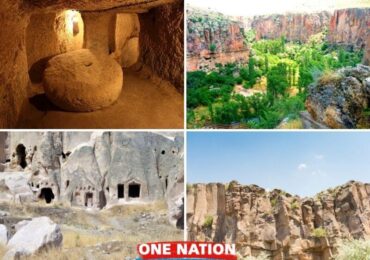
Full-Day Derinkuyu Underground City & Ihlara Valley Tour
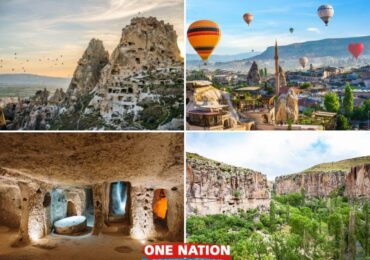
2-Day Private Red and Green Cappadocia Tour from Istanbul
Starting prices vary by date and party size. Check admissions, optional extras and the final itinerary before booking.
Frequently asked questions
How long should I spend at Ihlara Valley?
Allow roughly half a day for a walk with time to pause at churches. An extended route, slower pace or additional stops can take longer.
Is Ihlara Valley suitable for visitors with limited mobility?
The gorge walk can involve uneven ground, slopes and stairs, so it may be difficult for visitors with limited mobility. Ask locally about the specific access route and current conditions before visiting.
Do I need a guide to visit?
Not necessarily. Independent visits are possible if you plan transport and route logistics; a guide can explain the valley’s history and help coordinate a multi-stop day.
Are the rock-cut churches always open?
Do not assume every church is accessible during your visit. Access can vary, so check current local information and follow posted instructions.
Can I combine Ihlara Valley with other Cappadocia sights?
Yes. Organized day itineraries commonly combine the valley with places such as Derinkuyu Underground City and Selime Monastery. These are separate stops and require transport.
What should I bring for the walk?
Wear sturdy walking shoes and bring water, sun protection and a light layer. Adapt your route to the weather, trail conditions and your fitness.
Sources and visitor information
- Göreme National Park and the Rock Sites of Cappadocia — UNESCO World Heritage Centre
- Göreme Open Air Museum — Republic of Türkiye Ministry of Culture and Tourism
Visitor arrangements can change. Check the venue’s latest notices for your travel date.