
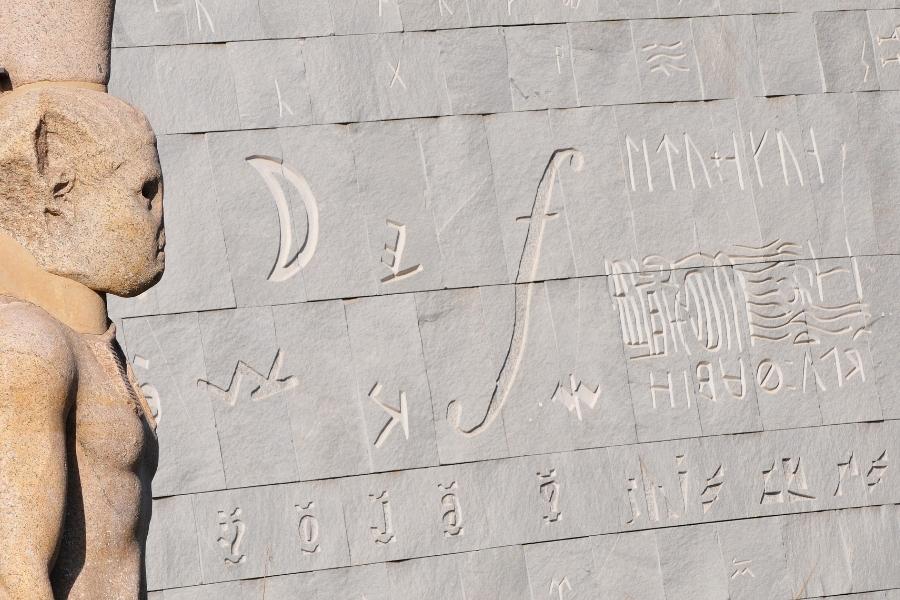
Library of Alexandria, Egypt
The Library of Alexandria, one of the ancient world’s most famous cultural centers, was established in the 3rd century BCE under the reign of Ptolemy I and II in Alexandria, Egypt. This iconic library symbolized intellectual pursuit, housing an estimated 400,000 to 700,000 scrolls on topics spanning science, philosophy, history, and literature, representing the cultural wealth of ancient Greece, Egypt, and beyond. Attracting scholars worldwide, it aimed to collect all human knowledge, making Alexandria a center of learning. Although it was tragically destroyed by a series of events, the Bibliotheca Alexandrina, opened in 2002, revives this legacy, hosting millions of books, exhibitions, and research centers.
Plan your visit
Tours to consider for Library of Alexandria
Compare the route, time available and what is included. A guided tour does not override venue closures, entry rules or security checks.

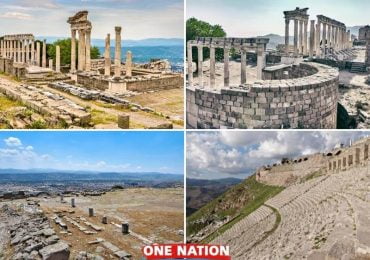

7-Day Istanbul, Pamukkale, Ephesus, Pergamon, Troy & Gallipoli Tour
Starting prices vary by date and party size. Check admissions, optional extras and the final itinerary before booking.