

Pyramid of Djoser
The Pyramid of Djoser, located in Saqqara, Egypt, is the world’s oldest stone pyramid and a masterpiece of ancient engineering. Built during the Third Dynasty (around 2670 BCE) as the burial place for Pharaoh Djoser, this iconic step pyramid represents a major architectural innovation by Imhotep, the king’s chief architect. Unlike smooth-sided pyramids, its six distinct layers rise in steps, symbolizing the Pharaoh’s ascent to the afterlife. Surrounding the pyramid is a complex of courtyards and shrines that once served as ceremonial spaces. This remarkable monument marks a pivotal moment in Egypt’s architectural history, laying the foundation for the grand pyramids that followed.
Plan your visit
Tours to consider for Pyramid of Djoser
Compare the route, time available and what is included. A guided tour does not override venue closures, entry rules or security checks.
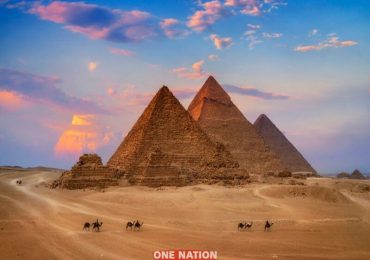
Full-Day Private Tour to Giza Pyramids, Memphis and Sakkara with Lunch


Starting prices vary by date and party size. Check admissions, optional extras and the final itinerary before booking.