

Sakkara
Sakkara, also known as Saqqara, is a historic necropolis situated roughly 30 km south of Cairo, Egypt. This ancient burial site is renowned for the Step Pyramid of Djoser, one of the earliest large-scale stone structures, dating back to the 27th century BC and designed by the architect Imhotep. Alongside the pyramid, Sakkara is home to richly decorated mastaba tombs, like the Tomb of Ti, as well as the Serapeum, a massive burial complex for sacred Apis bulls. As the cradle of Egypt’s pyramid construction, Sakkara offers profound insight into Old Kingdom architectural and religious advancements.
Plan your visit
Tours to consider for Sakkara
Compare the route, time available and what is included. A guided tour does not override venue closures, entry rules or security checks.
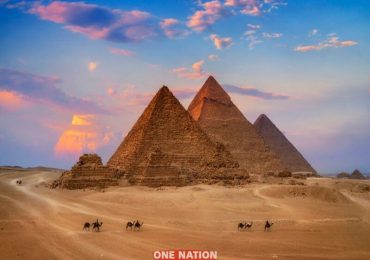
Full-Day Private Tour to Giza Pyramids, Memphis and Sakkara with Lunch

Private Tour to Giza Pyramids, Sphinx, Memphis, Saqqara & Camel Ride

Starting prices vary by date and party size. Check admissions, optional extras and the final itinerary before booking.