
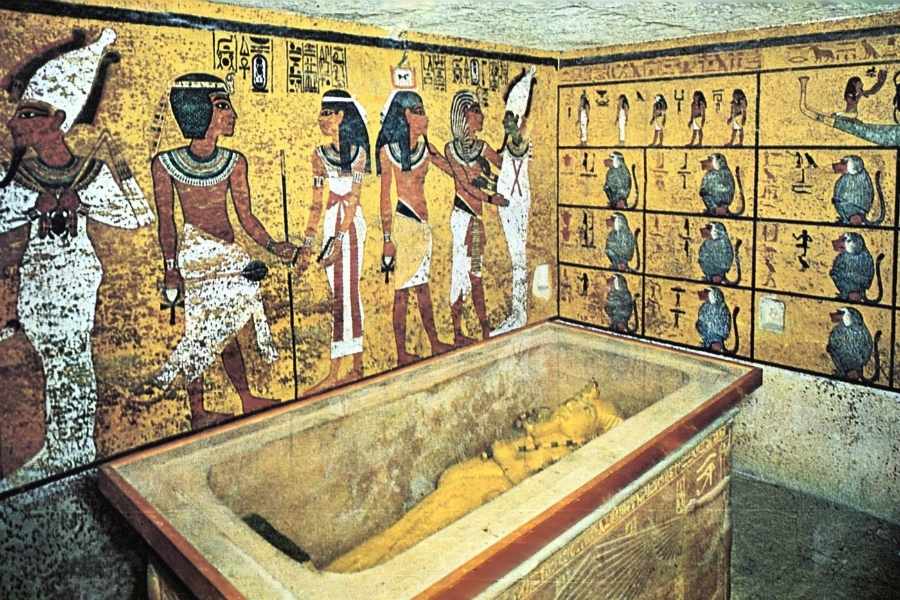
Tomb of Tutankhamun
The Tomb of Tutankhamun, located in Egypt’s Valley of the Kings, is one of the most famous archaeological discoveries, offering a window into the life and culture of ancient Egypt. Discovered in 1922 by British archaeologist Howard Carter, the tomb, known as KV62, held the nearly intact remains of the young Pharaoh Tutankhamun, who reigned from approximately 1332 to 1323 BCE. The tomb’s inner chambers feature remarkable treasures, including Tutankhamun’s golden mask, royal jewelry, and intricate burial objects crafted from gold, precious stones, and lapis lazuli. Visiting the site provides a chance to experience the artistry, symbolism, and religious beliefs of ancient Egyptian society.
Plan your visit
Tours to consider for Tomb of Tutankhamun
Compare the route, time available and what is included. A guided tour does not override venue closures, entry rules or security checks.

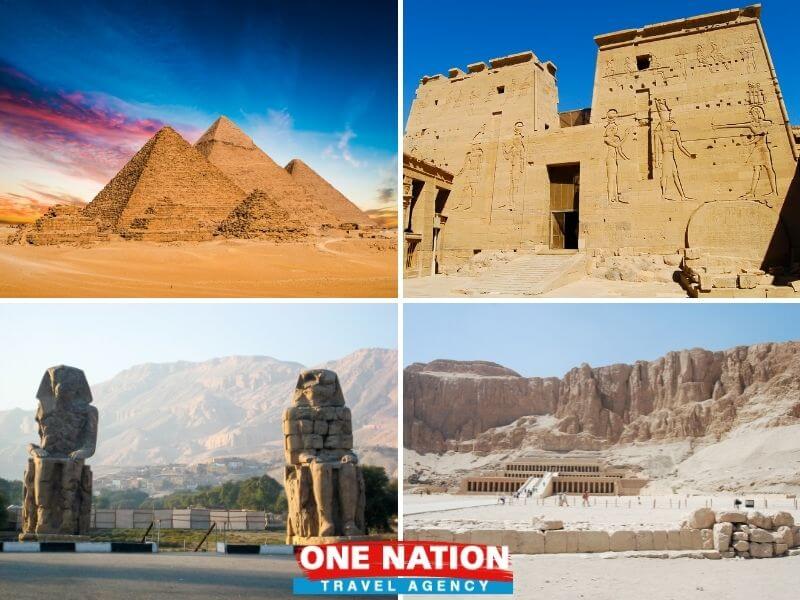
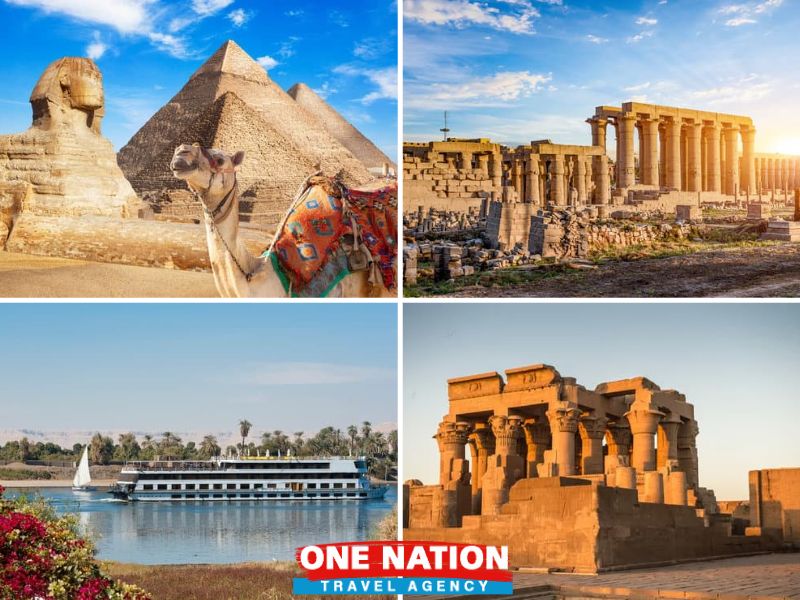
8-Day Cairo and Nile Cruise: Luxor to Aswan Tour
Starting prices vary by date and party size. Check admissions, optional extras and the final itinerary before booking.