
 Day Trips From Istanbul
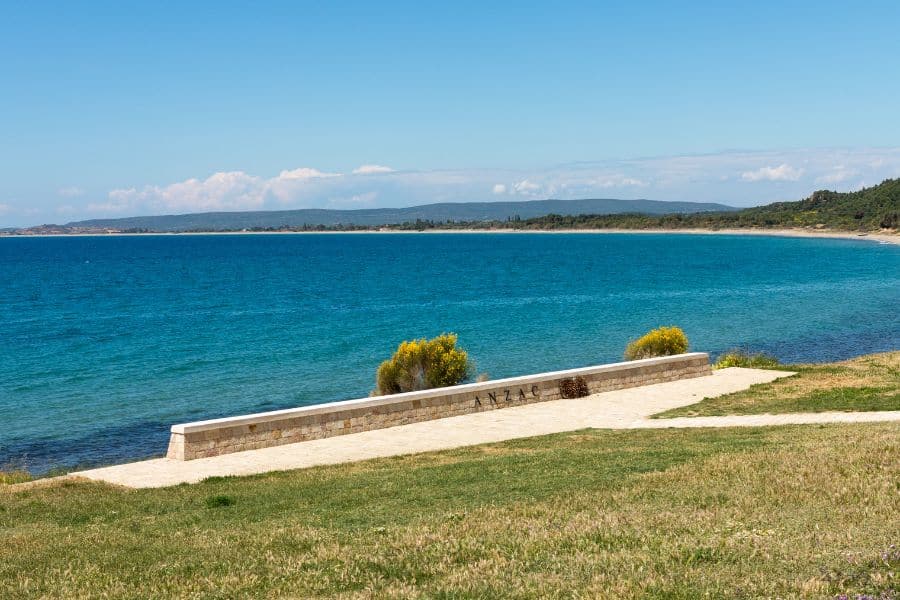
1-Day Gallipoli Battlefields Tour from Istanbul
Explore the Gallipoli Peninsula on this fully guided full-day trip from Istanbul, crossing Thrace and the Dardanelles to reach the…
Troy is one of the world's most legendary archaeological sites, the ancient city immortalized in Homer's Iliad and famed for the mythical Trojan War and its wooden horse. A UNESCO World Heritage Site on Turkey's northwestern Aegean coast, it reveals more than 4,000 years of history layered across nine successive settlements. Walking its ruins connects you directly to Bronze Age civilization, epic legend, and the pioneering 19th-century excavations that reshaped modern archaeology.
The experiences worth building your trip around.
Walk the layered ruins where nine successive cities were built over more than 4,000 years, from Troy I to Troy IX. Marked trails lead past defensive walls, gateways, a small theater, and the foundations of houses and sanctuaries stacked one atop another.
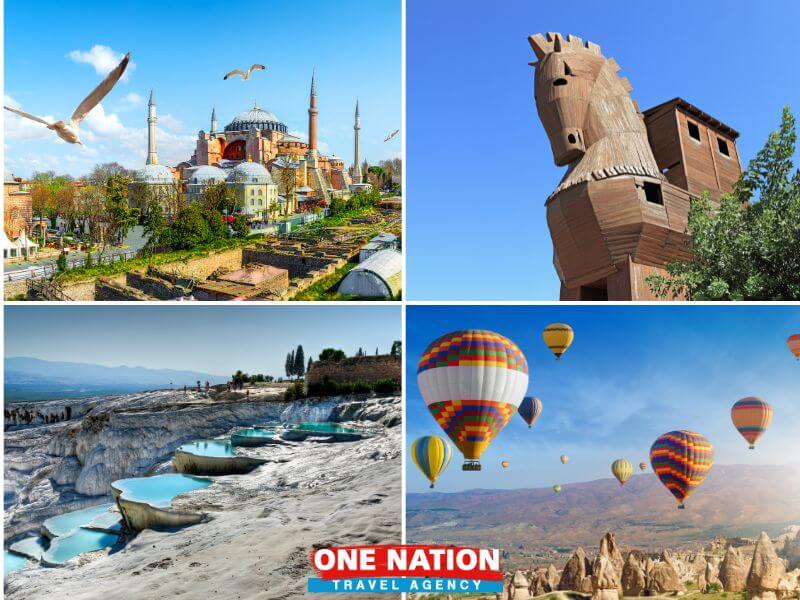
A large wooden horse stands near the entrance to the site, recalling the famous ruse from Homer's Iliad. You can climb the stairs inside it for a view over the ruins, and it is the most popular photo stop at Troy.
This striking cube-shaped museum sits just east of the ruins at Tevfikiye and displays artifacts excavated from Troy and the wider Troad, from gold jewelry and pottery to sculpture and coins. Its galleries trace the site's nine layers and tell the story of its rediscovery and excavation.
Trace the massive stone fortifications, ramps, and gateways that once defended the citadel, including sections from the Troy VI and VII levels often linked to the Trojan War period. Interpretive panels along the route explain how the defenses were rebuilt across different eras.
View the deep cross-section trenches cut by Heinrich Schliemann in the 1870s, which sliced through the mound and exposed the stacked cities of Troy. The raw sequence of walls and rubble is a vivid lesson in how archaeologists read a site through its layers.
Canakkale, the natural base for visiting Troy, has a lively kordon promenade along the Dardanelles where you can watch ships pass and eat fresh seafood. The seafront also displays the 12-ton horse prop from the 2004 Hollywood film Troy, gifted to Turkey after filming.
A short walk down the Canakkale waterfront, this 15th-century Ottoman fortress built to guard the narrows now houses the Naval Museum. Its grounds and exhibits, including a replica of the minelayer Nusret, focus on the strategic history of the Dardanelles.
About an hour and a half south along the coast, the ancient hilltop city of Assos crowns the village of Behramkale with the 6th-century BC Temple of Athena, Anatolia's only Doric temple. It offers sweeping Aegean views toward Lesbos and pairs naturally with Troy on a Troad-focused trip.
A relaxed, realistic plan you can adapt to your pace.
Settle into Canakkale, the port city that serves as the gateway to Troy. Spend the afternoon strolling the Dardanelles kordon, photographing the film-set Trojan Horse prop, and visiting Cimenlik Castle and the Naval Museum. Cap the day with fresh fish and a sunset over the strait as ferries glide between two continents.
Drive south to the archaeological site, ideally with a guide, to walk among the walls, gates, and Schliemann trenches and pose at the Trojan Horse replica. Afterward, visit the adjacent Troy Museum at Tevfikiye to see the excavated artifacts and make sense of the site's nine layers. Return to Canakkale for a relaxed evening in town.
Take the short ferry across the Dardanelles to the Gallipoli Peninsula, one of the region's most moving landscapes and the site of the World War I campaign. Visit memorials, war cemeteries, and battlefield viewpoints such as Anzac Cove, Lone Pine, and the preserved trenches. Return in the evening, having paired ancient legend with modern history.
The best times to visit Troy are spring (April to June) and autumn (September to October), when temperatures are mild and the surrounding Troad countryside is green and pleasant for walking. Summer can be hot and exposed, as the open site offers little shade, while winter brings cooler, wetter weather but far fewer visitors. For comfortable exploring and softer light for photos, the shoulder seasons are ideal.
See the Month-by-Month Guide →Most travelers reach Troy via Canakkale, which lies about 25 to 30 km north of the site, roughly a 30- to 40-minute drive, and is the natural base for a visit. Canakkale is about a five- to six-hour drive or intercity bus ride from Istanbul, and the journey typically includes a scenic ferry crossing of the Dardanelles Strait; the nearest airport is Canakkale, while many visitors also fly into Izmir or Istanbul and continue by road. From Canakkale you can reach Troy by local dolmus (shared minibus), taxi, rental car, or an organized day tour, with tours being the easiest option for combining the ruins and the Troy Museum in one trip. The archaeological site itself is explored entirely on foot along marked paths over uneven, open ground, so comfortable walking is part of the experience.
Best areas to base yourself in Troy.
The most convenient base, with a lively waterfront, plentiful hotels and restaurants, and easy transport connections to both Troy and Gallipoli.
Staying along the Dardanelles promenade puts you steps from seafood restaurants, cafes, the film-prop Trojan Horse, and sunset strolls over the strait.
This small village right beside the ruins and the Troy Museum suits travelers who want to stay closest to the site in a quiet, rural setting.
Expertly guided tours and packages that cover the highlights above.
Day Trips From IstanbulExplore the Gallipoli Peninsula on this fully guided full-day trip from Istanbul, crossing Thrace and the Dardanelles to reach the…
 4 to 5 Day Turkey Tours
Visit Istanbul, Ephesus, Gallipoli, and Troy on this 5-day tour through some of Turkey's most important historical sites. The journey…
 Turkey
Explore Istanbul, Cappadocia, Pamukkale, Ephesus, Pergamon, Troy, and Gallipoli on this 11-day tour through Turkey's history and landscapes. Begin in…
 Turkey
Eight days, one country, and a route that runs from Byzantine domes to volcanic rock valleys. You'll start in Istanbul,…
 Turkey Tour Packages
Discover Turkey's rich history and natural wonders on this 7-day tour. Visit Gallipoli’s poignant WWI battlefields, explore the ancient ruins…
 Ankara Tours
The 13-Day Highlights of Turkey Tour is a guided journey across Turkey, connecting Istanbul, Gallipoli, Troy, Pergamon, Ephesus, Pamukkale, Antalya,…
The site spreads over uneven ground, gravel paths, and ancient stone, so sturdy, closed walking shoes make the visit far more comfortable.
Troy is open and exposed with very little shade, so a hat, sunscreen, sunglasses, and plenty of water are essential, especially in the warmer months.
Much of Troy consists of foundations and layered ruins that are hard to read alone, so a knowledgeable guide or a solid guidebook helps you interpret the stones and the site's chronology.
While cards are widely accepted in Canakkale, having some local currency is handy for dolmus fares, small vendors, and tips when visiting the site and surrounding villages.
Yes, especially if you appreciate history, mythology, and archaeology. The ruins are subtle rather than monumental, but standing in the city of Homer's Iliad is memorable, and the excellent Troy Museum greatly enriches the visit.
The archaeological site itself can be explored in roughly one and a half to two hours, and adding the adjacent Troy Museum makes for a comfortable half-day. Many visitors combine it with time in Canakkale, Assos, or a Gallipoli day trip to fill several days.
The most common route is a five- to six-hour drive or intercity bus to Canakkale, often including a Dardanelles ferry crossing, followed by a short trip south to the site. Organized day and overnight tours from Istanbul are also popular.
No. The original wooden horse is a mythical object from Homer's Iliad and was never an archaeological find. The horse at the site entrance is a modern replica, while the one on the Canakkale waterfront is the prop from the 2004 film Troy.
Absolutely, and many travelers do. Both are easily reached from Canakkale, with Gallipoli just across the Dardanelles, making it natural to pair ancient Troy with the World War I battlefields on the same trip.
A guide is not required, but it is highly recommended because much of the site is layered foundations that can be hard to interpret alone. A guide brings the myth and archaeology to life, though good signage and a guidebook are also helpful.
Let All Istanbul Tours build your Troy trip — transfers, hand-picked hotels, and licensed local guides, all in one package.