 Pin it
The 10 must-see places in Turkey in this guide range from Istanbul’s historic landmarks to Cappadocia’s rock-cut landscapes, the ancient cities of Ephesus and Ani, and the terraces of Pamukkale. They’re spread across the country, so choosing a region or building in travel time matters as much as choosing the sights.
This guide is for first-time visitors deciding which places fit their interests and how to group them. It covers city sights, archaeological sites, coastal stops and remote destinations, with practical notes on what each visit involves.
Quick Facts
| Places covered | Istanbul, Cappadocia, Ephesus, Pamukkale, Antalya, Troy, Göbekli Tepe, Mount Ararat, Bodrum and Ani |
| Best way to plan | Group places by region; don’t treat this list as a single short route |
| Time needed | Allow time for travel between regions as well as sightseeing; a visit to all 10 takes a multi-stop trip |
| Good for | Travelers interested in ancient sites, landscapes, city history and coastal scenery |
How to choose among Turkey’s 10 must-see places
These destinations don’t sit close together. Istanbul is in the northwest, Cappadocia is inland, and Ephesus and Pamukkale are in the west. Göbekli Tepe is near Şanlıurfa in the southeast, while Ani is in the far northeast. Trying to cover all of them in a brief visit means spending much of your time moving between regions.
For a first trip, choose a few places that match your interests rather than checking off all 10. Istanbul pairs naturally with a longer stay in the west or a separate Cappadocia visit. Ephesus and Pamukkale can fit into a western Turkey itinerary, though they’re different types of stops: one is an extensive ancient city, the other combines natural travertines with the ruins of Hierapolis.
Remote destinations need more planning. Göbekli Tepe is best considered as part of a southeast Turkey visit, and Ani as part of a trip to the northeast. Mount Ararat is a mountain destination, not a quick sightseeing stop. Factor in the journey and the kind of access your visit requires before adding any of these to a city-based itinerary.
Which places in Turkey are worth prioritizing?
1. Istanbul: Historic landmarks and daily city life
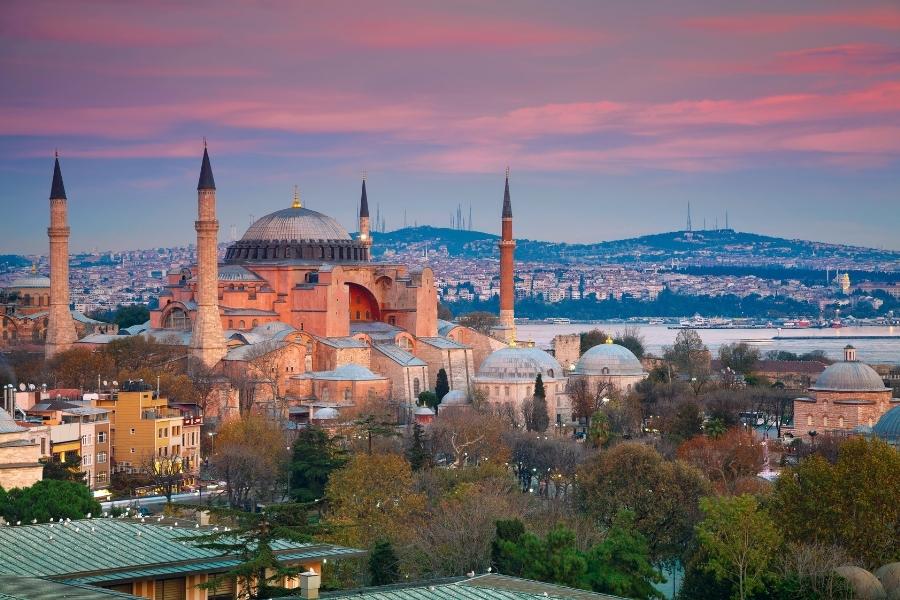
Istanbul gives you a dense introduction to Turkey’s layered history. In the historic center, Hagia Sophia, the Blue Mosque, Topkapı Palace and the Hippodrome are close enough to consider together, but seeing them all takes more than a quick walk-by. The Blue Mosque is an active place of worship, so access can be affected by prayer times. Check current visitor arrangements before planning your day.
The Grand Bazaar and Spice Bazaar offer a different kind of visit: covered market lanes, food stalls and shops rather than monuments. Crowds and walking add up, especially if you combine the markets with the historic sights. Pick a few priorities and leave room for breaks. If you want more time to explore the city’s neighborhoods and waterfront, don’t try to fit every landmark into one day.
2. Cappadocia: Valleys, cave sites and underground cities
Cappadocia is known for eroded rock formations, cave dwellings and settlements cut into the landscape. Göreme Open-Air Museum is a key cultural stop; valleys such as Pasabag and Devrent show a different side of the region. Underground sites including Kaymaklı have confined passages, so they may not suit visitors uncomfortable in narrow spaces or with mobility limitations.
Hot-air balloon flights are an optional activity, not a requirement for seeing Cappadocia. They depend on weather and can be canceled. If a flight is important to you, allow flexibility in your schedule rather than placing it on the only morning you have in the region. For ground sightseeing, expect walking over uneven surfaces and steps. Sturdy shoes are more useful here than dress shoes.
One common planning mistake is treating the main sights as if they were all within a short walk. They’re spread across the region. Decide whether you want a guided route or to explore independently, and check how you’ll reach each stop before setting out.

3. Ephesus: A large ancient city to explore on foot
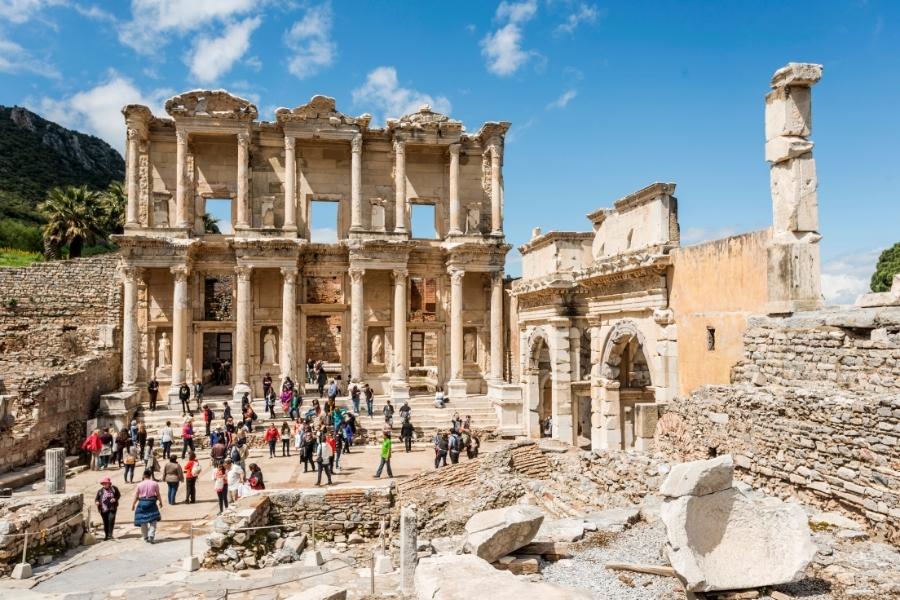
Ephesus is an archaeological site near Selçuk, known for the Library of Celsus, the Great Theatre and its long ancient streets. The ruins cover a substantial area, so plan for a walking visit rather than a brief stop for one monument. The site’s scale also means you’ll get more from it if you take time to notice how public buildings, streets and gathering spaces fit together.
The Temple of Artemis, once one of the Seven Wonders of the Ancient World, is a separate stop from the main ruins. Don’t assume it’s part of the same walk through Ephesus. The House of the Virgin Mary is another nearby destination, but it’s also distinct from the archaeological site. Check current admission and visitor arrangements for each place before you go.
For historical context, the Library of Celsus is one of the best-known structures at Ephesus. Take sun protection and water in warm weather; much of an archaeological visit is outdoors.
4. Pamukkale: Travertines and Hierapolis
Pamukkale’s white travertine terraces are formed by mineral-rich water, while the adjoining ancient city of Hierapolis adds Roman-era ruins to the visit. Give yourself time for both parts instead of treating the terraces as the whole destination. Hierapolis includes remains such as its theatre and baths, and exploring the area involves walking outdoors.
Conditions at the terraces and access rules can change. Check the official visitor information before you travel, especially if you expect to walk on the travertines or visit a pool. Don’t assume swimming is included or that a particular pool will be open on your date. A stop here works well for travelers interested in combining natural features and archaeology, but it can feel rushed if added as a short detour between distant regions.
5. Antalya: Old town, coast and archaeological collections
Antalya combines a Mediterranean setting with historic sights. Hadrian’s Gate is in the city, and Kaleiçi’s old streets give you a change of pace from the larger archaeological sites elsewhere in the country. The Antalya Museum is a useful choice if you want more context for the region’s ancient past. Check the museum’s current visitor information before making it the centerpiece of a day.
Antalya also suits travelers who want time by the coast. That’s a different kind of trip from a tightly scheduled ruins itinerary: leave room for the old town, a museum visit or a beach stop rather than trying to do all three at speed. In hot weather, outdoor sightseeing can be tiring, so plan breaks and avoid underestimating the walking involved.

6. Troy: Archaeological layers and the Trojan story
Troy is an archaeological site associated with the stories of the Trojan War and with multiple layers of settlement. It’s worth visiting if you’re interested in how excavation reveals different periods in one place. The site isn’t a single, fully intact ancient city; much of the visit is about interpreting the remains and understanding the layers.
A wooden horse replica near the entrance is a familiar photo stop, but it isn’t the main archaeological experience. Give yourself time to follow the route and read the site information. Because Troy is outside the main tourist centers, think about how it fits into your wider route rather than assuming it’s a convenient side trip from Istanbul.
7. Göbekli Tepe: A prehistoric site near Şanlıurfa
Göbekli Tepe is an archaeological site associated with monumental structures dating to the prehistoric period. Its importance lies in what it can tell visitors about early communities and construction, not in a long list of standing buildings to tour. Go with time to look closely at the carved stones and consider the context of the site.
It lies near Şanlıurfa in southeastern Turkey, making it a separate regional trip from Istanbul, Cappadocia or the Aegean coast. Plan the surrounding journey first. If you’re pairing it with another local stop, allow time for travel and check current access arrangements before setting out.

8. Mount Ararat: A mountain destination, not a casual stop
Mount Ararat is Turkey’s highest peak and is associated in tradition with the story of Noah’s Ark. A visit focused on the mountain is different from a standard city or ruins stop: climbing requires serious preparation and should not be treated as an easy day excursion. Conditions, access and any requirements for climbing need to be checked with current local authorities and qualified operators before making plans.
If you’re not planning a climb, decide whether seeing the mountain from the surrounding region is worthwhile for your itinerary. Don’t add it simply because it appears on a list of national highlights; its location and the demands of a summit attempt make it a poor fit for a tightly packed route.
9. Bodrum: Aegean coast and historic sites
Bodrum is a coastal destination with a mix of beaches, nightlife and ancient history. Bodrum Castle and the Museum of Underwater Archaeology are central cultural stops, while the town also suits travelers who want evenings and time by the sea. Choose your dates and priorities accordingly: a beach-focused stay and a history-focused visit can feel quite different, even in the same town.
Don’t plan Bodrum as a quick add-on to every western Turkey route. It takes time to reach and is more rewarding when you can give it time beyond a brief stop at the castle. Check the museum’s current opening and admission details before arranging the day around it.
10. Ani: Medieval ruins in Turkey’s northeast
Ani is a medieval archaeological site near Kars, close to the border with Armenia. Its ruins include churches and other remains spread across an open landscape. The setting and architecture make it a strong choice for travelers interested in medieval history, but its remote location means the journey needs to be part of the plan.
Allow time for the site itself and for reaching it from your base. Conditions can be exposed to wind and weather, so check the forecast and current local visitor information before going. Ani is not a realistic last-minute detour from Istanbul or the western coast; it belongs in a northeastern Turkey itinerary.
How should you group these places into a trip?
Use regional groupings to cut down on backtracking. A western route can connect Ephesus and Pamukkale, with Antalya or Bodrum considered if you have extra time and the route makes sense. Cappadocia is a separate inland stop. Istanbul works as its own city stay and as a starting point for longer trips, while Göbekli Tepe, Mount Ararat and Ani each call for a regional plan.
There isn’t one correct order for all 10. Choose a few based on whether you prefer city history, archaeology, landscapes, coastal time or challenging outdoor travel. Before committing, check transport connections and current access details for the specific sights you plan to visit. This is especially important for remote sites, mountain activities and places with separate admission arrangements.
Pro Tip
Build your route around the farthest or least flexible stops first. Then add nearby places, rather than sketching a packed day and hoping long-distance transfers fit around it.
What should you know before visiting these sights?
Many of the places on this list involve outdoor walking. Ephesus, Pamukkale, Troy, Göbekli Tepe and Ani are not indoor attractions where you can avoid the weather. Wear comfortable shoes, bring water in warm conditions and plan breaks. Cappadocia’s valleys and underground sites also call for attention to uneven ground, steps and confined spaces.
Check current admission, opening arrangements and access rules with the official visitor information for each site before traveling. Fees and rules can change, and the places in this guide don’t all use the same ticketing arrangements. For mosques in Istanbul, check visitor access around prayer times and dress respectfully. For mountain activities, confirm current access and safety requirements with qualified local sources.
Pro Tip
Don’t plan a full day at one archaeological site and then schedule another distant attraction for the same afternoon. Site visits, outdoor walking and transfers take longer than map distances suggest.
Frequently Asked Questions About Turkey’s Must-See Places
Which places should first-time visitors prioritize?
Istanbul is a strong choice for city history, while Cappadocia offers a distinct landscape and cave sites. Add Ephesus or Pamukkale if you have time for western Turkey, and choose other regions only if they match your interests and route.
Can you visit all 10 places on one trip?
It’s possible on a longer, multi-region trip, but these places are spread across Turkey. Trying to see all 10 in a short visit leaves little time at each site and requires substantial travel between regions.
Are Ephesus and Pamukkale near each other?
They’re both in western Turkey and are often considered in the same broader itinerary, but they are separate sites with different visits. Check transport connections and allow time for each rather than assuming they form one short stop.
Is a hot-air balloon flight required to enjoy Cappadocia?
No. Valleys, cave sites and underground cities are ground-based ways to explore the region. Balloon flights are optional and depend on weather, so don’t make your whole visit depend on one flight.
Is Mount Ararat suitable for a casual day trip?
A summit attempt is a serious mountain activity, not a casual sightseeing excursion. Check current access and safety requirements with qualified local sources before planning a climb.
Do you need to check opening details before visiting?
Yes. Admission, opening arrangements and access rules can change, and they differ between sites. Check the official visitor information for each place shortly before your visit.
The 10 must-see places in Turkey suit different kinds of trips, from Istanbul’s city landmarks to remote archaeological sites and coastal stays. Pick the places that fit your interests, group them by region and leave enough time to experience each one without rushing.