
 Pin it
Is Istanbul safe for tourists in 2026? Generally, yes: most visits pass without serious problems, but pickpocketing, taxi disputes, and tourist scams deserve attention. Check your government’s current Turkey travel advice before departure, avoid demonstrations, and don’t treat a busy tourist district as a guarantee of safety.
This guide is for first-time visitors, solo travelers, couples, and families deciding where to stay and how to explore. At All Istanbul Tours, we help you plan around the practical concerns: airport arrivals, crowded trams, late-night transport, and what to do if something goes wrong.
Quick Facts
| Best time to visit | Spring and fall for more comfortable walking; popular sights still draw crowds. |
| Time needed | Allow 3–4 days for a first visit without rushing between districts. |
| Getting there | Istanbul Airport (IST) or Sabiha Gökçen Airport (SAW); transfer time depends heavily on your hotel and traffic. |
| Entry / typical cost | €0 for public squares and the Grand Bazaar; a shared full-day sightseeing and cruise tour starts at about €180. |
| Good for | Independent travelers, guided sightseeing, families, and solo visitors comfortable with big-city precautions. |
How safe is Istanbul for tourists in 2026?
Istanbul is Turkey’s largest city, spread across Europe and Asia. Your everyday concerns are usually belongings, unwanted approaches, confusing transport, and traffic rather than violent crime. Serious incidents can still happen, and no operator can promise a risk-free trip.
Check travel advice, not just crime rankings
The US State Department, UK Foreign, Commonwealth & Development Office, and Australian Smartraveller publish Turkey travel advice. Read their current wording rather than assuming they endorse Istanbul as completely safe. Countrywide warnings and restrictions for particular border regions aren’t interchangeable with advice for an Istanbul city break.
Terrorism and demonstrations are separate concerns from street crime. Avoid protests, political gatherings, and police cordons. Leave an area if a crowd becomes tense, and follow local instructions. Transport routes and access to central squares can change during major events.
Crowdsourced crime rankings aren’t a reliable basis for declaring Istanbul safer than another city. Your accommodation’s exact location, arrival time, and daily habits are more useful planning factors.
Solo travelers and women traveling alone
Independent travel is practical, including for solo women. Choose accommodation with a staffed reception and recent reviews mentioning its entrance and surrounding streets. Unwanted attention can occur; you don’t owe anyone conversation, your hotel name, or an explanation for leaving.
After dark, favor active main streets and arrange transport if the final walk feels uncomfortable. A guided first day can help you understand tram stops and neighborhood boundaries, but you don’t need a tour to leave your hotel safely.
Where should you stay and walk in Istanbul?
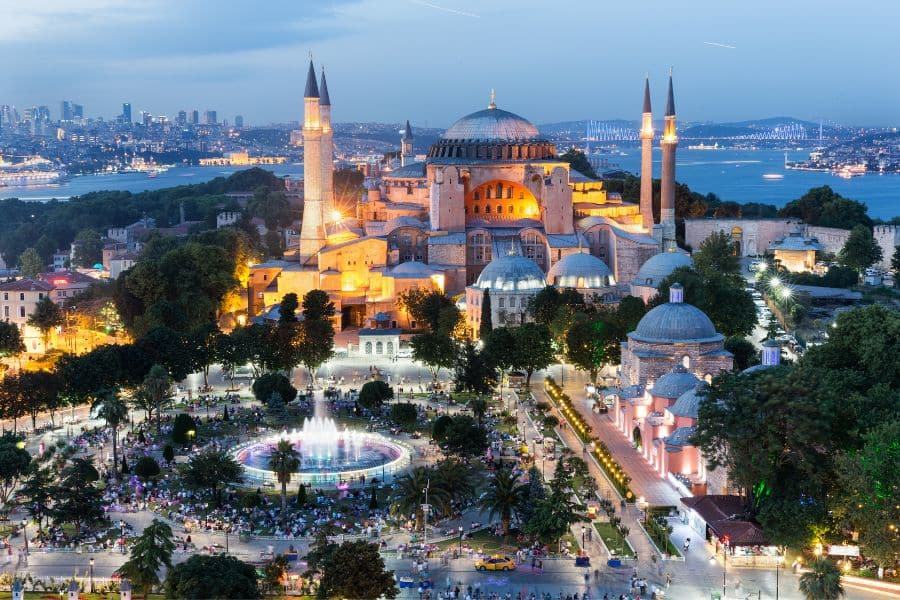
Choose a base that reduces complicated journeys, especially at night. Our guide to where to stay in Istanbul compares the practical advantages of different districts.
Sultanahmet, Sirkeci, and the Old City
Sultanahmet suits a first visit focused on Hagia Sophia, the Blue Mosque, Topkapi Palace, and the Basilica Cistern. Tourist police operate in this area, but stay alert around queues and the T1 tram. Some streets become quiet after restaurants close; inspect your hotel’s final approach rather than relying on the district name.
Sirkeci works well for tram, rail, and ferry connections. It can reduce uphill walking, although traffic, narrow sidewalks, and luggage still make arrival awkward.
Beyoğlu, Kadıköy, Beşiktaş, and Ortaköy
Beyoğlu and Taksim suit restaurants and nightlife. Istiklal Avenue stays active late, but nearby streets vary considerably. Don’t follow a stranger into a bar, and check the route home before drinking.
Kadıköy offers food markets, cafés, and ferry connections on the Asian side. It’s a sensible base if you value neighborhood time more than walking to the Old City. Check the last ferry or alternative return route before an evening out.
Beşiktaş and Ortaköy suit waterfront meals and walks. Weekend crowds and road congestion are the trade-offs. None of these districts is uniformly safe on every street at every hour.
A sensible first-day walking route
- Start in Sultanahmet. Visit the Blue Mosque outside prayer times, then use our Hagia Sophia visitor guide to understand tourist entry and worship access.
- Choose one substantial next stop. Topkapi Palace needs more time and walking than the Basilica Cistern. Trying to squeeze in both can turn the afternoon into a rush.
- Continue toward Beyazıt if you still have energy. Check the Grand Bazaar visitor guide for opening-day details before walking over.
- Return before you’re exhausted. A packed tram is harder to navigate when you’re tired, carrying shopping, or managing children.
How do you get from Istanbul’s airports to your hotel safely?
Confirm the airport code first: IST and SAW are different airports on opposite sides of the city. Save your hotel’s address in Turkish and its map location before boarding your flight.
| Arrival route | Planning time after leaving the terminal | Main trade-off |
|---|---|---|
| IST to Sultanahmet or Taksim by road | Roughly 45–90 minutes; longer in heavy traffic | Convenient with luggage, but bridge and central-road congestion can extend the journey. |
| IST by M11 metro and connecting services | Often around 60–100 minutes to central districts | Avoids much road traffic; requires transfers and a final walk. |
| SAW to the European-side center by road | Roughly 60–120 minutes; sometimes longer | A cross-city journey, not a short airport hop. |
| SAW by M4 metro and connecting rail or ferry | Often around 90–120 minutes to the Old City | More predictable than road traffic, but awkward with several bags. |
These are planning ranges, not promised transfer times; immigration and baggage collection come first. Check Metro Istanbul, Havaist, or Havabus for current routes and operating times. Don’t assume rail services run through the night.
Airport taxis, transfers, and booking apps
Use the official taxi queue or a prebooked transfer with clear meeting instructions. Ignore unsolicited transport offers inside or outside arrivals. For a transfer, confirm the total price, luggage allowance, waiting policy, and any child seat in writing.
BiTaksi and Uber can help identify the car and retain a trip record, but an app estimate isn’t always a fixed fare. Check the vehicle details and meter; vehicle color alone doesn’t prove reliability. Ask how tolls and other charges will be handled.
Trams, ferries, and the Istanbulkart
A rechargeable Istanbulkart is useful across much of the public transport network. Buy it from an official machine or authorized seller. Fares vary by service, and airport rail or longer journeys may use different charging rules. Don’t assume your foreign contactless card works everywhere.
The T1 tram connects Kabataş, Eminönü, Sultanahmet, and Beyazıt; it doesn’t serve either airport directly. Avoid roughly 7:30–9:30 AM and 5:00–7:30 PM when possible. Keep your phone away from doors and your bag closed in front of you.
Pro Tip
Screenshot your transfer confirmation and hotel address. Before leaving the airport’s Wi-Fi, check that your mobile data works. A saved map and written meeting point are more useful than trying to solve everything beside a taxi queue.
Which Istanbul tourist scams should you watch for?
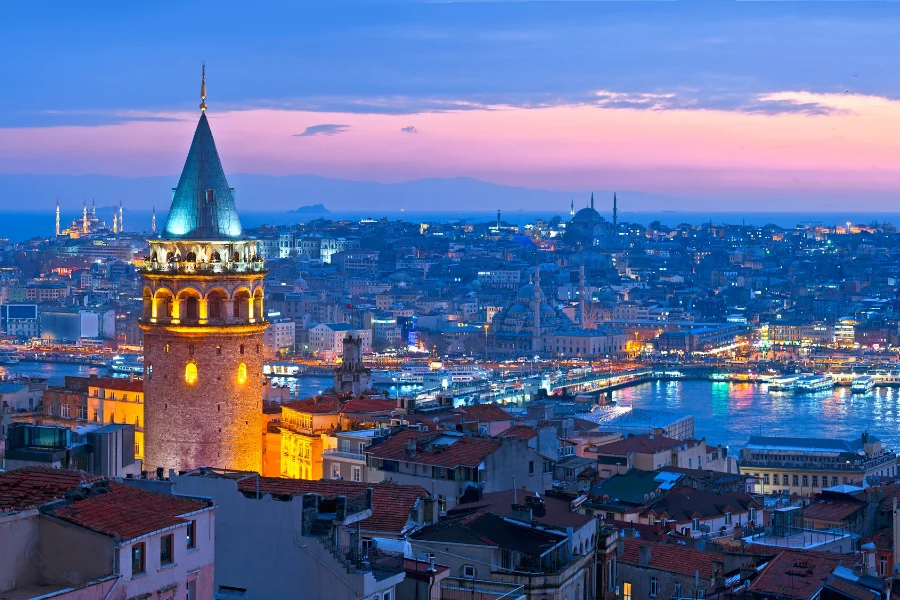
The dropped shoe-shine brush
A shoe shiner drops a brush, you return it, and a supposedly free thank-you polish becomes a demand for payment. Decline before the service starts. “Hayır, teşekkürler” means “No, thank you.” You can keep walking without debating.
The stranger who chooses your bar
Someone starts a conversation and suggests a particular bar or club, where an inflated bill follows. This is a known risk around nightlife districts, including Taksim, and can target solo men. Choose venues yourself, read the menu, and don’t accept unexplained drinks or orders.
If you’re threatened or prevented from leaving, prioritize your safety and call 112 when you can. Don’t escalate a confrontation to protect a small amount of money.
Taxi disputes and pressure selling
Check that the taxi meter starts, follow the route, and confirm payment before leaving the vehicle. Keep a receipt or app record. Paying attention to the banknote you hand over can help prevent a claim that you gave a smaller denomination.
Tea in a carpet shop creates no obligation to buy. Before any expensive purchase, request an itemized receipt and written shipping, return, and customs information. Don’t buy because someone says the offer expires the moment you leave.
- Use bank-affiliated ATMs where possible and shield your PIN.
- Choose payment in local currency rather than accepting a merchant’s euro conversion.
- Check restaurant prices, service charges, and whether fish is priced by weight.
- Keep a backup card separate from your everyday wallet.
What does Istanbul cost, and when should you visit?
Euro equivalents change with exchange rates, and Turkish transport and attraction prices can rise during the year. Old taxi-meter figures and public transport prices are poor budgeting tools. The tour figures below are advertised starting prices, not a promise for every date or party size.
| Item | Euro budget reference | What to check |
|---|---|---|
| Public squares and Grand Bazaar entry | €0 | Shopping, food, and paid nearby attractions are extra. |
| Blue Mosque sightseeing entry | €0 | Tourist access pauses for worship; follow dress requirements. |
| Hagia Sophia tourist visiting area | Check the current euro ticket price | Tourist access is separate from Muslim worship access. |
| Public transport and airport shuttles | Check the current fare and euro equivalent | Card purchase, transfers, and route-specific fares can add up. |
| Taxi or private airport transfer | Request a current euro estimate or written quote | Airport, hotel district, traffic, tolls, and vehicle size matter. |
| Full-day shared Classic & Bosphorus tour | From about €180 | Confirm admissions, meals, pickup coverage, and cruise arrangements. |
| Eight-hour private guided tour | From about €210 | Confirm the pricing basis and whether transport and tickets are additional. |
Best seasons and times of day
| When | Why choose it | Practical caution |
|---|---|---|
| April–May or September–October | Usually more comfortable for walking | These are popular months; rain and sightseeing queues remain possible. |
| Summer | Long daylight hours for ferries and evening walks | Heat, sun, and queues make a midday break worthwhile. |
| Winter | Often less pressure at outdoor sights | Shorter days, wet paving, wind, and occasional ferry disruption. |
| At an attraction’s opening time | Often easier than arriving with late-morning groups | Check the actual opening time and security arrangements. |
| Late afternoon | Useful for waterfront walks or shorter visits | Last entry may be well before closing; mosques follow prayer schedules. |
Religious holidays, weekends, and special events can change crowd patterns. Don’t assume “after 4:00 PM” works for every museum. Check current hours and closure days before paying for tickets.
What should you know about health, children, and accessibility?

Emergency help and medical cover
Call 112 for police, ambulance, or fire emergencies. Give your location first and ask for English if needed. Tourist Police, marked “Turizm Polisi,” can also help in sightseeing areas. Ask hotel staff to assist with reporting theft and obtaining an insurance report.
Turkey isn’t covered by the European Health Insurance Card or UK Global Health Insurance Card. Buy travel insurance covering your activities, medical treatment, and evacuation; check cancellation conditions separately. Hospitals including American Hospital, Acıbadem, and Memorial serve international patients, but language support, payment arrangements, and availability vary.
Pharmacies are called “eczane.” Outside normal opening hours, look for the duty pharmacy, “nöbetçi eczane,” listed locally. Carry prescriptions and medication in original packaging.
Food, water, and walking conditions
Bottled or properly filtered water is the practical drinking choice, particularly when you’re unsure about building plumbing. Choose freshly cooked food from places with high turnover. Simit, balık ekmek, and roasted chestnuts are common options, but no dish is automatically safe regardless of storage.
Explain allergies clearly, preferably with a Turkish-language allergy card. Simit contains sesame, and baklava commonly contains nuts. In hot weather, plan water breaks before children become tired or thirsty.
Uneven paving, steep hills, tram tracks, and curbside traffic are everyday hazards. Strollers and wheelchairs need more route planning than a map suggests. Confirm step-free hotel access, working lifts, accessible toilets, and vehicle arrangements individually.
Earthquakes and what to carry
Istanbul is in an earthquake-prone region. Don’t assume every hotel meets the same structural standard; ask about building assessments and emergency procedures. Identify exits when you arrive. During shaking, drop, cover, and hold on rather than rushing toward stairs or elevators.
- Wear comfortable shoes with grip and carry weather protection.
- Bring mosque-appropriate clothing covering shoulders and knees; women should carry a headscarf. Follow posted shoe-removal rules.
- Save passport and insurance copies securely. A photocopy may not satisfy an official identity check; follow current advice on carrying original documents.
- Carry limited daily cash, a charged phone, and a power bank.
- Compare current SIM or eSIM coverage and activation terms; don’t rely on old promotional data prices.
- US travelers can consider STEP enrollment; other visitors should use their government’s travel-alert service.
Pro Tip
Before a family sightseeing day, agree on a meeting point if anyone gets separated. Give children a card with your phone number and hotel details, and hold younger children’s hands at tram platforms and ferry boarding points.
Should you explore independently or book an Istanbul tour?
A tour reduces navigation and scheduling work; it doesn’t remove all safety risks. Independent sightseeing works well if you’re comfortable with maps, public transport, and checking entry rules yourself.
Shared, private, or airport-based sightseeing
The Full Day Istanbul Classic & Bosphorus Cruise Combination Tour, from about €180, suits visitors who want historic sights and time on the water in one organized day. Shared departures mean following the group’s pace and pickup arrangements.
The 8-Hour Private Guided Tour in Istanbul, from about €210, offers more room to discuss walking limits, interests, and breaks. Confirm whether the quote is per person or party, and don’t assume a private guide includes a vehicle.
For a stopover, the Private Istanbul Tour – Pick up and Drop-off Istanbul Airport, from about €260, can coordinate sightseeing with airport transport. Send your airport code and flight times first; immigration, traffic, and check-in requirements determine whether leaving the airport is sensible.
What to confirm before booking
Ask for a written list of included admissions, guide services, transport, hotel pickup, meals, and boat tickets. Check exclusions such as drinks, personal shopping, and gratuities, plus cancellation terms. Guided entry may simplify ticket arrangements, but security checks and worship restrictions still apply.
Combine Istanbul with nearby places or a longer Turkey trip
Keep Kadıköy or the Bosphorus for a separate half-day rather than adding them to an already full Old City route. The Bursa Day Trip from Istanbul, from about €119, is an option beyond the city, but expect a full travel day rather than a short excursion.
For several regions, the 6-Day Istanbul, Pamukkale, Ephesus & Cappadocia Tour with Flights, from about €1,418, includes domestic flights. Review the daily pace and remaining inclusions before booking: multiple destinations mean early starts and less flexibility than staying in Istanbul.
🎫 Recommended Istanbul Tours
Licensed guide, transport and entrance logistics handled — pick the one that matches your dates.
- Full Day Istanbul Classic & Bosphorus Cruise Combination Tour →from €180.00
- Istanbul Byzantine and Ottoman Relics Tour →from €165.00
- 9-Day Istanbul, Cappadocia, Antalya, Pamukkale and Ephesus Tour →9 Days · from €1,670.00
- Bursa Day Trip from Istanbul →from €119.00
Frequently Asked Questions About Istanbul
Is Istanbul safe to walk around at night?
Many central streets remain active after dark, but conditions vary from block to block. Stay on well-lit routes, avoid demonstrations and unsolicited bar invitations, and arrange transport if your hotel’s final approach is isolated.
Is Istanbul safe for solo female travelers?
Many women visit independently without serious problems, though unwanted attention can occur. Choose well-reviewed accommodation, plan late-night journeys, and leave any interaction that makes you uncomfortable. A first-day guided tour is an option for orientation, not a requirement.
How many days should you spend in Istanbul?
Three to four days is a practical starting point for the Old City, a Bosphorus outing, and another district. Allow additional time if you prefer a slower pace, are traveling with children, or want a day trip beyond Istanbul.
What is the best month to visit Istanbul?
May and September are good starting choices for comfortable sightseeing, though neither guarantees dry weather or short queues. April and October can also work well. Check holiday dates and book popular visits around opening times.
Is Istanbul suitable for families with children?
Yes, with shorter sightseeing days and regular breaks. Crowded trams, uneven paving, and ferry boarding need supervision. Request child seats for private transfers in advance and confirm stroller access rather than assuming every attraction is step-free.
How much does a guided Istanbul tour cost, and are tickets included?
The shared full-day Classic & Bosphorus tour starts at about €180, while the eight-hour private guided tour starts at about €210. Pricing basis and inclusions differ, so confirm admissions, transport, meals, and pickup before payment. Don’t assume a guided tour bypasses security queues.
Ready to choose a base and a realistic sightseeing pace? Use our Turkey trip planner to share your dates, arrival airport, interests, and any mobility needs, and we’ll help you build a suitable route.


