TurkeyTravel guide11 min read
15 Surprising Facts About Turkey – Number 8 Will Blow Your Mind!
Explore 15 surprising facts about Turkey, from Istanbul’s two continents to Göbekli Tepe and the Grand Bazaar.
 By All Istanbul ToursPublished · Updated
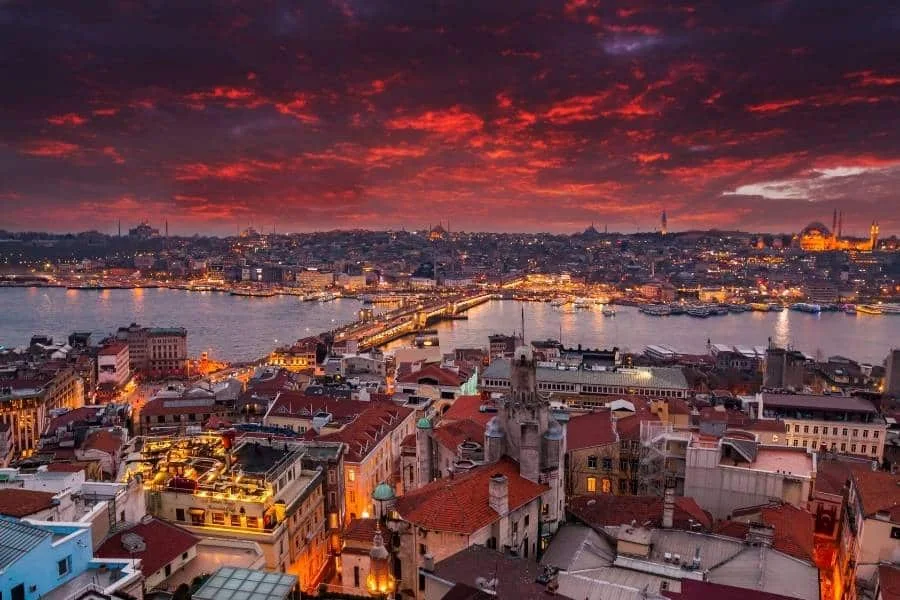
In this guide 4 sections
These 15 surprising facts about Turkey range from Istanbul’s position on two continents to the ancient site of Göbekli Tepe and the underground spaces of Cappadocia. Number 8 is about the Grand Bazaar, but the surprising part is less its size than how a working market fits into a historic covered complex.
This guide is for travelers who want useful context behind familiar names and a clearer sense of what each fact means when they visit. Some popular claims about Turkey are simplified or hard to pin down, so the notes below distinguish established details from claims that need a little caution.
What makes Turkey’s geography and ancient past surprising?
Turkey’s location is more than a map detail. Its cities and archaeological sites reflect centuries of movement, trade, belief and political change. These facts are most useful when you connect them to places you can actually visit, rather than treating them as trivia.
1. Istanbul sits across Europe and Asia
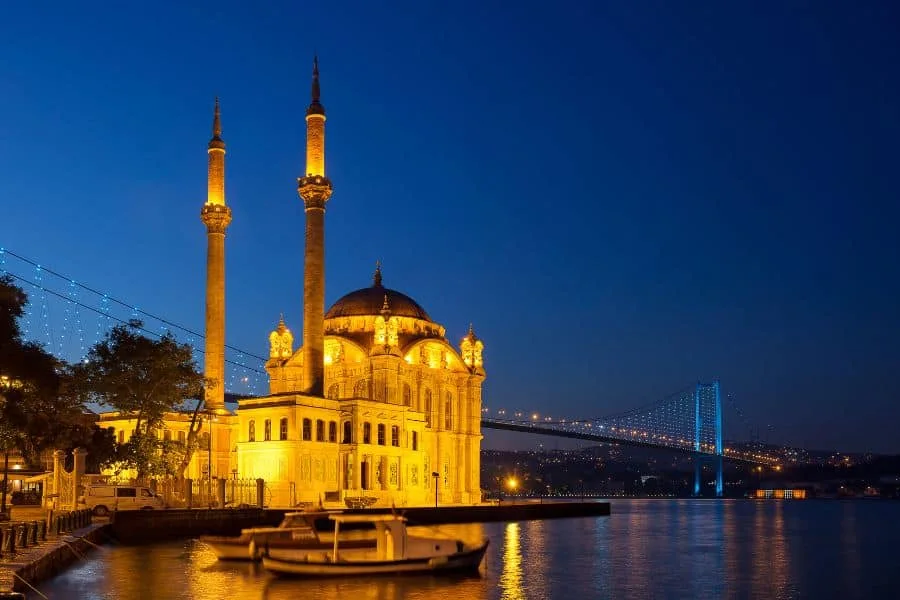
The Bosphorus runs through Istanbul, separating its European and Asian sides. The city’s ferries make that division part of ordinary local travel: a crossing can take you between continents as well as between neighborhoods. Istanbul is commonly described as a city on two continents, but it isn’t the only city in the world with districts on both sides of a continental boundary.
If you’re planning time in Istanbul, think of the Bosphorus as a working waterway, not just a viewpoint. A ferry ride gives you a practical way to see both shores; choose a crossing that fits your neighborhood and schedule rather than assuming every route is a sightseeing cruise.
2. Saint Nicholas was a bishop in what is now Turkey
Saint Nicholas, whose story helped shape the modern figure of Santa Claus, served as bishop of Myra in ancient Lycia. Myra is in present-day Turkey. The popular claim that he was born in Patara is less certain, so it’s more accurate to connect his historical life firmly with Myra than to state a birthplace as settled fact.
This distinction matters if you’re reading about the region: ancient place names and modern borders don’t line up neatly. Patara and Myra are separate archaeological destinations, and the connection between Saint Nicholas and Myra is the better-established part of this story.
3. Göbekli Tepe dates to around 9600 BCE
Göbekli Tepe, near Şanlıurfa, contains monumental stone structures dating to around 9600 BCE. Its age places it thousands of years before Stonehenge. It’s often called the world’s oldest temple, but that label can make a complex archaeological site sound simpler than it is. “One of the world’s oldest known monumental ritual sites” is a more careful description.
The practical takeaway is that this is a major prehistoric site, not a conventional temple with a complete written account of its purpose. You’ll get more from the visit if you approach it as evidence to interpret rather than expecting every question about its builders and use to have a settled answer.
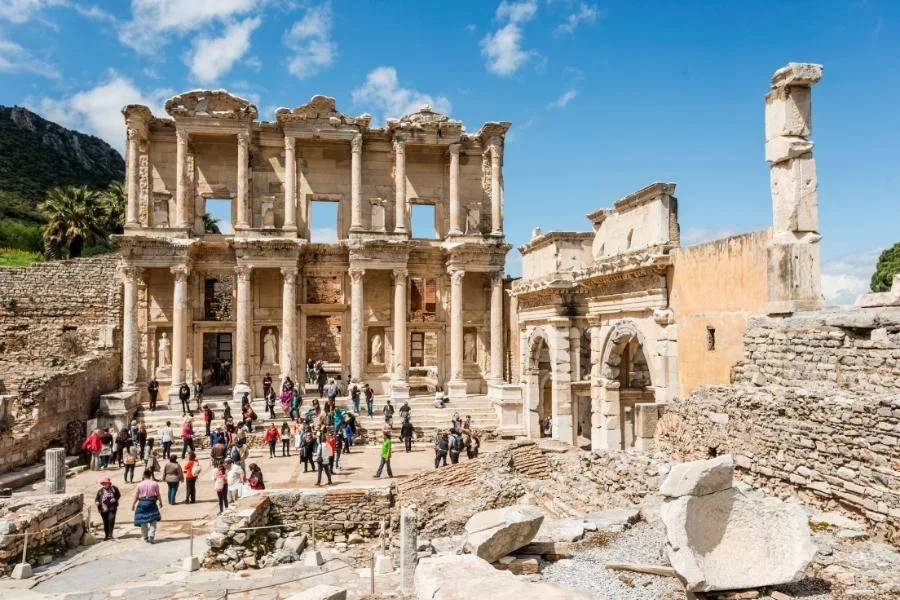
4. Ancient Greek cities are part of Turkey’s archaeological landscape
Ephesus, Troy and Pergamon are among the ancient sites located within modern Turkey. Their remains reflect different periods and communities, so “Greek ruins” is a useful starting point but not a complete description of each site’s history. Ephesus, for example, changed under successive powers and developed into a major Roman city.
Don’t assume the sites are close together just because they appear in the same list. They’re spread across the country, and seeing several means planning around substantial travel rather than adding them as quick stops to one city break.
5. Tulips have a long Ottoman connection
Tulips were cultivated and prized in Ottoman gardens before they became closely associated with the Netherlands. The Ottoman period known as the Tulip Era is linked with the flower’s cultural prominence. That history doesn’t mean tulips originated only in Turkey: the plant has a wider geographic history, and the modern flower trade developed across regions.
For visitors, the useful distinction is between the flower’s origins and its place in Ottoman art and garden culture. The latter is the stronger connection to explore when you see tulip patterns in decorative arts or hear about the Tulip Era.
What are some surprising places and traditions in Turkey?
Some of Turkey’s most memorable facts concern places built for everyday needs: shelter, trade, worship and gathering. Their modern visitor experience can differ from the dramatic short descriptions that travel lists often use.
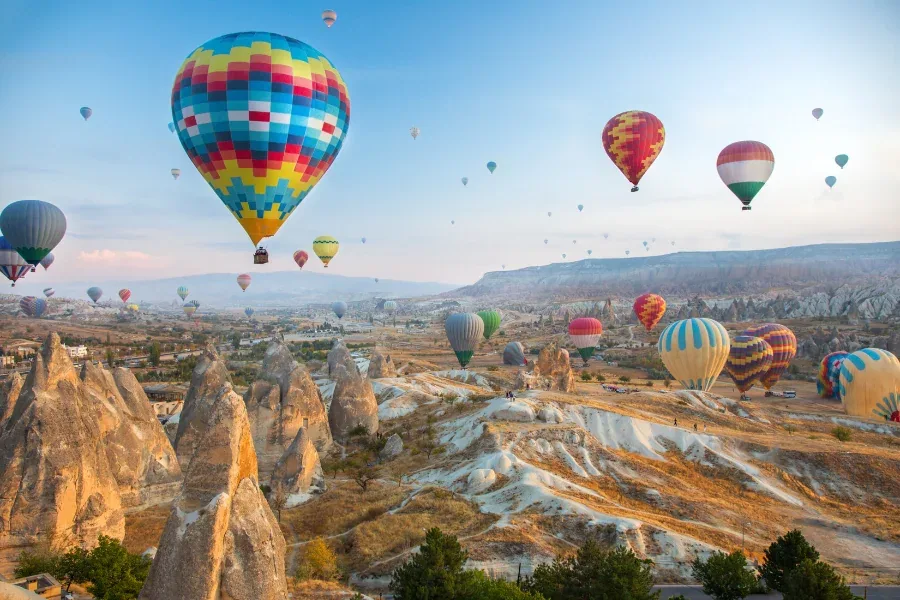
6. Cappadocia has underground cities
Derinkuyu is an extensive underground settlement in Cappadocia, with spaces for living and functions such as ventilation. It is often said to have been able to shelter as many as 20,000 people. Treat that figure as an estimate, not a headcount established by a surviving record.
Underground cities are not broad, open halls. Passages may be low or narrow, which can be uncomfortable if you dislike enclosed spaces or have mobility concerns. Before visiting, check current access arrangements and consider whether the physical layout suits you.
7. Lokum is associated with Ottoman food culture
Lokum, commonly called Turkish delight in English, is a confection associated with Ottoman-era food traditions. Stories that Napoleon Bonaparte or Winston Churchill were devoted fans circulate widely, but they’re not necessary to understand the sweet’s place in Turkish culture. Try a piece and pay attention to the range of textures and flavors instead of expecting one standard recipe.
When buying lokum, ask what’s inside and whether it contains nuts. Shops may sell it by weight or in gift boxes; packaging and ingredients matter more than a grand origin story if you’re choosing something to take home.
8. The Grand Bazaar is a market, not a museum display
Istanbul’s Grand Bazaar is one of the world’s best-known historic covered markets. It developed from a fifteenth-century foundation and grew into a large network of covered lanes and shops. The often-repeated figure of more than 4,000 shops can vary depending on what counts as a shop, so don’t treat it as a fixed visitor statistic.
The surprising detail is that the bazaar is both a heritage site and a place to shop. You’ll find businesses selling goods such as textiles, ceramics, jewelry and souvenirs, alongside the crowds and the practical business of negotiating a purchase. It’s easy to lose your bearings: note an entrance or meeting point before wandering, and don’t plan a rushed visit if you want time to browse.
Prices, opening arrangements and the atmosphere can change by shop and day. If you’re buying something valuable, compare items and ask clear questions about materials and price before agreeing. A visit can still be worthwhile if you don’t plan to shop; focus on the covered passages and the variety of businesses rather than feeling obliged to buy.
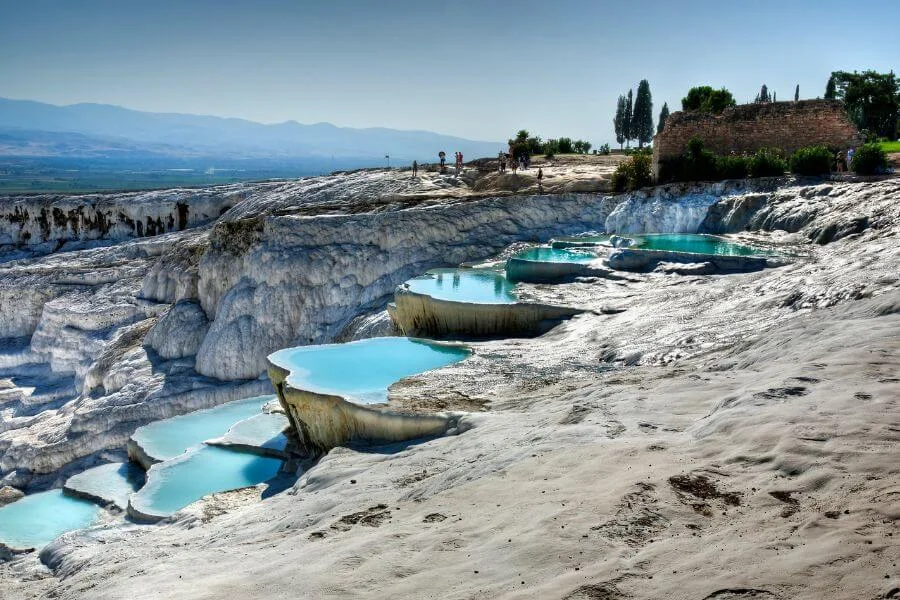
9. Pamukkale’s thermal landscape sits beside Hierapolis
Pamukkale is known for white travertine formations created by mineral-rich water, beside the ancient city of Hierapolis. The two are part of one visitor experience, but they are not the same thing: the terraces are a natural formation, while Hierapolis is an archaeological site.
The Cleopatra Antique Pools are a separate attraction often associated with the area. Don’t assume swimming is available on your date or included with general access. Check current access and admission details before building a visit around a swim.
10. Turkish belongs to the Turkic language family
Modern Turkish belongs to the Oghuz branch of the Turkic languages. It uses the Latin alphabet, adopted as part of the language reforms of the early Turkish Republic. The change helped reshape written Turkish, but it doesn’t mean the language itself began with the alphabet reform.
If you’re learning a few words for a trip, remember that Turkish spelling generally gives useful clues to pronunciation, but some sounds may be unfamiliar to English speakers. A greeting or thank-you is a considerate gesture; don’t assume English will be understood everywhere outside the main visitor areas.
11. Cats are part of everyday Istanbul street life
Cats are a familiar sight in Istanbul’s streets, courtyards and shopfronts. Residents and businesses often leave food or water for them, and the animals have become a recognizable part of the city’s public image. That doesn’t mean every cat is a pet or that every animal wants to be touched.
If you stop for a photo, give the cat space and avoid feeding it without checking what’s appropriate. For travelers, this is a small but practical reminder that Istanbul’s streets are shared by residents, visitors and animals.
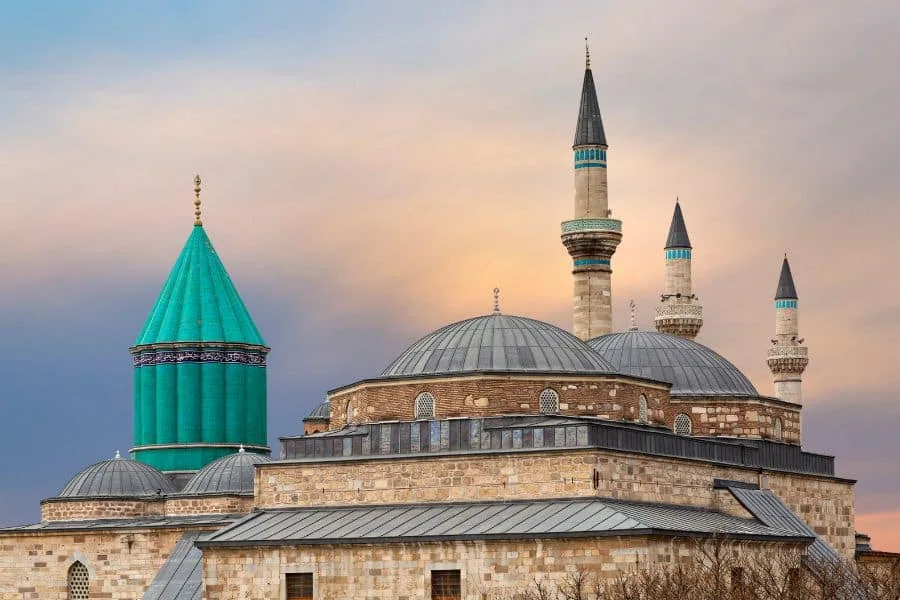
12. Rumi’s tomb is in Konya
The poet and mystic Jalal al-Din Rumi lived and taught in Konya. His tomb is part of the Mevlana Museum, a place with religious and cultural significance. Visitors may encounter people who have come for personal or devotional reasons, so treat the site as more than a photo stop.
Rumi is often presented in short quotations detached from context. If his work interests you, look for a reliable translation and learn about his life in Konya rather than relying on social-media snippets alone.
Which cultural facts need a little context?
Food traditions, symbols and geography are often compressed into neat claims. These last facts are more useful when you separate a well-supported cultural connection from a sweeping explanation.
13. Turkish coffee is recognized as cultural heritage
The preparation and social traditions surrounding Turkish coffee are recognized on UNESCO’s list of Intangible Cultural Heritage. The recognition is about more than a particular drink: it concerns the knowledge and customs associated with preparing and sharing it.
Turkish coffee is prepared unfiltered and served in a small cup, so grounds settle at the bottom. Let the cup rest before drinking the last mouthful. If you order one, you may be asked how sweet you want it; mention your preference when you order because sugar is commonly added during preparation.
14. The crescent and star on Turkey’s flag have layered symbolism
Turkey’s flag features a white crescent and star on a red field. People offer different historical explanations for the symbols, and the design’s meaning is often discussed through both national history and broader cultural associations. Avoid presenting one ancient origin story as settled fact.
The straightforward travel fact is that the crescent and star are national symbols you’ll see on public buildings and flags. Their familiar appearance does not mean every Turkish person relates to them in the same way.
15. The Bosphorus connects the Black Sea and the Sea of Marmara
The Bosphorus is a strait that connects the Black Sea with the Sea of Marmara and divides Istanbul’s European and Asian sides. It is an international shipping route as well as part of the city’s daily transport network. Claims that it is the world’s narrowest international strait depend on definitions and aren’t needed to appreciate its importance.
For a visitor, the practical surprise is how much of Istanbul’s geography is organized around the water. Ferries are a useful way to cross between shores, while a dedicated cruise is a different experience with a sightseeing focus. Check the route before boarding so you know whether you’re using local transport or booking a cruise.
Frequently Asked Questions About Turkey
Is Istanbul in Europe or Asia?
Both. The Bosphorus separates Istanbul’s European and Asian sides, and ferries connect neighborhoods across the water. The city is commonly described as spanning two continents, though it isn’t the only city in the world with that geography.
Was Saint Nicholas born in Turkey?
Saint Nicholas served as bishop of Myra, in what is now Turkey. His birthplace is less certain than his connection to Myra, so claims that he was definitely born in Patara should be treated cautiously.
Is Göbekli Tepe the world’s oldest temple?
Göbekli Tepe is an exceptionally early monumental site, dating to around 9600 BCE. “One of the oldest known monumental ritual sites” is a more careful description than a definitive claim that it was the world’s first temple.
Can visitors swim in Cleopatra’s Pool at Pamukkale?
Access to swimming can depend on current arrangements. Check the official site information for your date before planning a visit around the pool, and confirm whether its admission is separate.
Is the Grand Bazaar still a working market?
Yes. It is a historic covered market with businesses selling goods as well as a major visitor attraction. Give yourself time to navigate its lanes, and agree on the price and details before buying.
What language is spoken in Turkey?
Turkish is the official language and belongs to the Oghuz branch of Turkic languages. The modern language uses the Latin alphabet, adopted during reforms in the early Turkish Republic.
Turkey’s surprises come from the details: a city divided by a strait, ancient sites that resist simple labels, and traditions that remain part of daily life. Keep these 15 facts in mind, and check current access details before planning visits to individual sites.
About the author
All Istanbul Tours is a TÜRSAB-licensed travel agency (no. 6073) based in Istanbul, planning private and group tours across Türkiye.
Plan your trip
Turkey tours
 4 days
4-Day Cappadocia, Pamukkale and Ephesus Tour from Istanbul By Plane & Bus
From €728 per person
 3 days
3-Day Cappadocia and Pamukkale Tour from Istanbul by Air & Bus
Double occupancy €615 per person
 4 days
4-Day Cappadocia, Pamukkale & Ephesus Tour from Istanbul with Flights
From €905 per person
Not sure which tour fits your dates? Ask us on WhatsApp
Keep reading
More Turkey guides
 Turkey
How to Visit Cappadocia, Pamukkale & Ephesus in 4 Days from Istanbul (Step-by-Step Plan)
Fly Istanbul to Cappadocia, Pamukkale and Ephesus in just 4 days. Full day-by-day plan, 2026 costs from €863, balloon tips and booking advice.
 Turkey
European Side vs Asian Side of Istanbul: Which Should You Visit?
Compare Istanbul’s European and Asian sides, including where to stay, how to cross the Bosphorus, costs, timing, and tours.
Turkey Is Istanbul Safe for Tourists? Honest Safety Tips for 2026
Istanbul safety advice for 2026: neighborhoods, airport transfers, common scams, family tips, and guided tour costs.