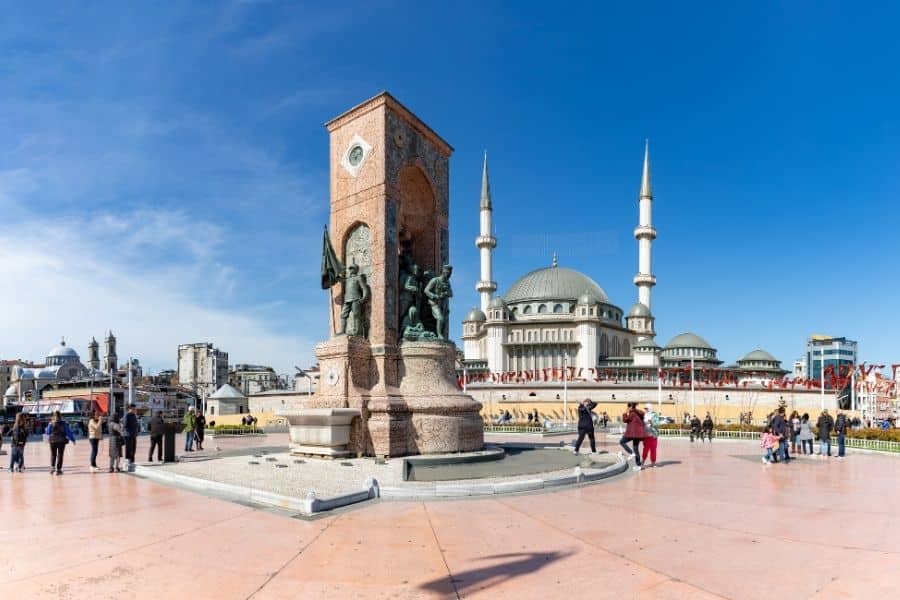
 Pin it
Istanbul public transport is usually the most practical way to get around the city: use trams for the Old City, the metro for longer journeys, and ferries or Marmaray to cross between Europe and Asia. Get an Istanbulkart for ordinary transit journeys, then plan each trip around the correct station, pier, and direction rather than the shortest distance on a map.
This guide is for travelers moving between hotels, historic sights, waterfront neighborhoods, and the airports. You don’t need to learn the whole network. A few useful connections, plus a realistic allowance for walking and transfers, will cover most sightseeing journeys.
Quick Facts
| Everyday payment | Istanbulkart; check the card type, current fares, and payment conditions before buying. |
| Old City transport | The T1 tram, followed by walking to individual sights. |
| Crossing continents | Passenger ferries for waterfront connections; Marmaray for a rail crossing. |
| Main planning issue | Transfers, hills, and traffic can matter more than distance. |
| Current schedules | Check Metro Istanbul, İETT, Şehir Hatları, and the relevant airport operator before traveling. |
How do you use an Istanbulkart?
Istanbulkart is the main transit payment card used across Istanbul’s public transport network. Don’t confuse the money loaded onto it with the cost of buying the card itself. You’ll need usable credit before entering a station or boarding a service that accepts it.
Look for Istanbulkart sales and loading machines at major transport hubs. Availability and payment methods can differ between machines, so don’t leave your first purchase until you’re rushing for a departure. Follow the machine’s language options and check that you’re buying or loading the intended card product.
At a gate or reader, hold the card against the marked area and wait for confirmation. Keep it separate from other contactless cards to avoid a failed reading. If the gate doesn’t open, check the displayed message before repeatedly tapping.
Fares, transfer discounts, visitor products, and rules for sharing a card can change. Don’t assume a group can use one card with the same benefits as individual travelers. Separate cards can make boarding less awkward, especially when you’re separating for part of the day.
Budget for the whole route, not just its first leg. A tram followed by a ferry and another rail journey may involve several charges. Check the balance before your return trip, and retain enough credit to avoid searching for a loading machine late in the evening.
Which metro and rail routes are useful for visitors?
Rail is a sensible starting point when your journey would otherwise involve a long road crossing. The trade-off is station access: a direct-looking route may involve a substantial walk underground, an interchange, and another walk to your destination.
M2 for Taksim and Beyoğlu
The M2 line serves Taksim and Şişhane, making it useful for journeys involving Beyoğlu. Choose the station closest to your actual address rather than automatically getting off at Taksim. The wrong exit can leave you with an unnecessary uphill walk.
M4 for the Asian side and Sabiha Gökçen Airport
M4 connects Kadıköy with Sabiha Gökçen Airport. For a hotel on the European side, that airport journey still requires another connection. Compare the complete route, including luggage handling and the final walk, before choosing rail solely because it avoids traffic.
Marmaray for crossing between Europe and Asia
Marmaray runs beneath the Bosphorus and is useful when your destination connects better to rail than to a ferry pier. Sirkeci and Üsküdar are useful reference points for visitors. Check the train’s direction and destination before boarding; the wider network extends beyond central sightseeing neighborhoods.
One important correction to common airport advice: M1A does not serve Istanbul Airport (IST). It serves the former Atatürk Airport area. For IST, check the M11 route and its onward connections against your hotel location using the current network map.
How do you use the tram in Sultanahmet?
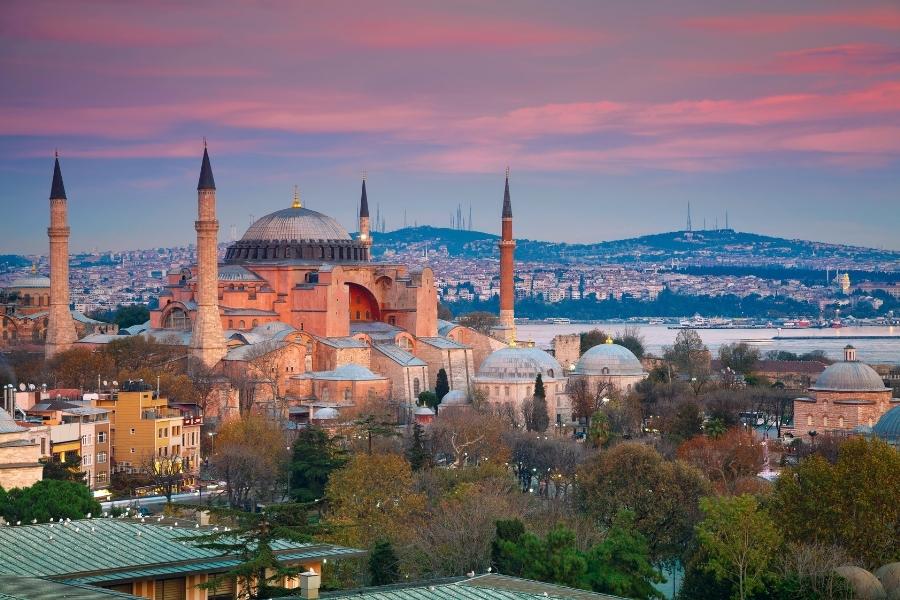
The T1 tram is useful for linking the Old City with Eminönü, Karaköy, and Kabataş. Think of it as transport between areas, not a door-to-door sightseeing service. You’ll still walk from the platform to each attraction.
Use Sultanahmet as your reference stop for Hagia Sophia and the Blue Mosque. Beyazıt–Kapalıçarşı is useful for the Grand Bazaar. For Topkapi Palace, compare the approach from Sultanahmet or Gülhane with the entrance you intend to use.
Check the destination displayed on the tram before boarding. Platforms can become crowded, and boarding the first vehicle without checking its direction creates an avoidable return journey. Let passengers exit, then move away from the doors once you’re aboard.
T1 can feel cramped with suitcases or a stroller. If you can choose your arrival time, avoid combining a busy commuter period with a luggage-heavy journey. Walking between nearby Old City sights is often more sensible than entering and exiting the tram for every stop.
Pro Tip
Save your hotel’s street address and nearest transit stop before going out. A neighborhood name alone isn’t enough: Sultanahmet, Beyoğlu, and Kadıköy each cover more ground than a single station exit.
How do ferries between Europe and Asia work?
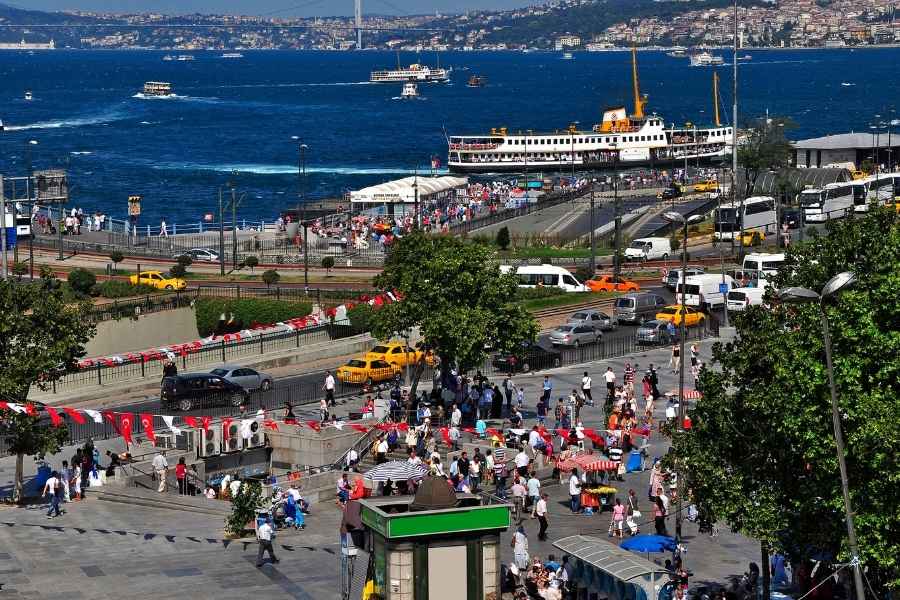
Ferries are practical transport when both ends of your journey are near the waterfront. Common connections to investigate include Eminönü to Kadıköy or Üsküdar, and Beşiktaş to Kadıköy. Confirm the day’s departures with the operator rather than assuming every route runs at the same frequency.
The important detail is the pier. Several departure points can sit close together, and different operators may use different ticket arrangements. Read the destination board before entering a queue. Ask a member of staff if the service name or stopping pattern is unclear.
A scheduled passenger ferry is not the same product as a sightseeing Bosphorus cruise. For a straightforward crossing, choose a service whose destination matches your plans. For sightseeing, check the cruise’s duration and return point separately.
Allow for waiting as well as sailing. A ferry can be a good choice without being the fastest door-to-door option. If you’ve just missed a departure, compare the next sailing with Marmaray rather than assuming the waterfront route will save time.
Weather can affect sailings and comfort on deck. Keep an indoor seat in mind during wind or rain, and check service notices before relying on a ferry for a time-sensitive connection. At arrival, wait for the gangway to be ready rather than crowding the exit.
When should you use buses, dolmuş, and funiculars?
Buses fill gaps that rail doesn’t cover, but their journey times depend on road conditions. Use the stop name, route number, direction, and destination together. Stops on opposite sides of a road usually serve different directions, and similarly named stops may not be interchangeable.
A dolmuş is a shared vehicle operating along a route. It can be useful for a specific local connection, but payment and stopping arrangements aren’t necessarily the same as on a municipal bus. Confirm the fare and destination before boarding; don’t assume Istanbulkart is accepted.
If you need to request a stop, “İnecek var” means someone wants to get off. Ask early enough for the driver to stop safely. For a first visit, unfamiliar luggage-heavy journeys are usually easier on a clearly mapped rail or bus route.
Funiculars solve a different problem: hills. F1 links Kabataş with Taksim, so it can help connect waterfront transport with the square without climbing the slope. Include it when it fits your route, rather than treating it as an extra sightseeing journey.
The T5 tram serves the Golden Horn corridor toward Eyüp. The Eyüp–Pierre Loti cable car is relevant if you’re already traveling to that hillside, not as a general shortcut across the city. Check operating notices before building a route around it.
How should you plan an airport journey?
First identify your airport: Istanbul Airport is IST; Sabiha Gökçen Airport is SAW. They are different airports with different connections. Save the code with your flight details so you don’t accidentally plan transport to the wrong terminal.
Then work backward from your hotel’s address. Compare rail, airport buses, and road transfers by the number of changes, the final walking section, and the service available at your arrival time. A route that looks economical may be inconvenient with several bags or tired children.
Don’t apply a single journey-time estimate to every hotel. Traffic, waiting, and the location of your accommodation all affect arrival. For departures, leave room for delays and follow your airline’s airport-arrival guidance rather than planning around a best-case transport connection.
If you prefer an arranged arrival rather than navigating connections with luggage, All Istanbul Tours offers the Istanbul Airport Transfer, starting from €80. Prices vary by date and party size. Confirm your airport, hotel address, meeting instructions, and final quote before booking.
Are taxis useful for getting around Istanbul?
Taxis can be helpful for awkward final connections or luggage, but they still sit in traffic. A road journey across the city isn’t automatically quicker than rail simply because it avoids a transfer.
Before setting off, show the driver your destination in writing and confirm the fare basis and payment method. If using a booking app, check the vehicle details and pickup point. An app helps document the booking; it doesn’t remove traffic or guarantee that every disagreement will be avoided.
Keep the route visible on your phone without assuming every deviation is wrong. Road restrictions and traffic can require changes. If the payment arrangement is unclear, resolve it before departure rather than at your hotel door.
How much walking should you allow between connections?

Walking is useful within Sultanahmet and for short neighborhood connections. It becomes less appealing when a map hides a steep slope, stairs, or uneven paving. Check the route’s terrain as well as its distance, particularly between the waterfront and Galata or upper Beyoğlu.
Wear shoes with reliable grip, keep bags manageable, and allow extra time at crossings. With children, agree where to regroup if you’re separated at a gate or on a crowded platform. Don’t try to board after the doors begin closing.
For wheelchair users or travelers who need step-free access, check individual stations, exits, lifts, and ferry boarding arrangements. One accessible part of a journey doesn’t establish that the complete route is suitable. Strollers also need a practical plan for stairs and crowded vehicles.
How do you avoid common public transport mistakes?

- Check the entire journey. Include the walk to the stop, waiting, transfers, and the walk at the other end.
- Confirm direction before paying or boarding. A familiar station name doesn’t identify the correct platform.
- Check the return service. Don’t assume daytime frequency or operating arrangements continue late at night.
- Keep a backup route. Save an alternative rail or road connection when relying on a ferry.
- Protect your belongings. Keep phones, wallets, and bags secure around crowded gates and doors.
For live planning, consult Metro Istanbul for its rail network, İETT for buses, Şehir Hatları for its ferries, and the appropriate operator for airport services. Check current fares and service notices directly; old screenshots and travel-blog prices aren’t a reliable basis for your budget.
Recommended Istanbul Tours
Compare the itinerary, inclusions and optional extras. Starting prices vary by date and party size.
- Istanbul Airport Transfer · from €80.00
Frequently Asked Questions About Istanbul Public Transport
What’s the best way to get around Istanbul?
Combine rail with walking, and use ferries when your destinations are near the waterfront. T1 is useful for the Old City, while longer journeys often work better by metro or Marmaray.
Do tourists need an Istanbulkart?
Istanbulkart is the main payment option for ordinary public transport journeys. Check the available card products and current conditions before buying, especially if several people plan to share one.
Does M1A go to Istanbul Airport?
No. M1A serves the former Atatürk Airport area, not Istanbul Airport (IST). Check M11 and its onward connections for your IST journey.
Is a ferry or Marmaray better for crossing the Bosphorus?
A ferry suits waterfront-to-waterfront journeys and gives you an outdoor crossing when conditions allow. Marmaray is useful when rail connections fit your destination better. Compare waiting and transfer time, not just the crossing itself.
Can you reach Hagia Sophia by tram?
Take T1 to Sultanahmet, then walk to Hagia Sophia. The tram doesn’t stop at the entrance, so include the final walking section in your plan.
Is Istanbul public transport suitable with luggage or a stroller?
It can be, but crowded vehicles, stairs, and station transfers may make some routes awkward. Check the complete connection and individual station access before traveling. An arranged transfer may suit an airport arrival with substantial luggage.
To get around Istanbul efficiently, choose the transport that fits both ends of your journey: tram for the Old City, rail for longer connections, and ferries for waterfront crossings. Save your nearest stop, check the return route, and leave room for the walk between them.