TurkeyTravel guide9 min read
Is Turkey Safe to Travel To? A Comprehensive Guide
Check regional advice, avoid common scams and prepare for emergencies with practical Turkey travel safety tips.
 By All Istanbul ToursPublished · Updated

In this guide 9 sections
- How to check if your Turkey itinerary is safe
- What safety precautions should you take in Istanbul and other cities?
- Is Turkey safe for solo and female travelers?
- How can you stay safe during demonstrations and large gatherings?
- What should you know about earthquakes and outdoor activities?
- How should you prepare for medical problems in Turkey?
- What should you do if your passport or phone is stolen?
- How do you choose safer accommodation and transport?
- Frequently Asked Questions About Turkey
Is Turkey safe to travel to? Many visitors travel around Turkey without serious problems, but safety depends on your route, current events and everyday precautions. Check your government’s latest travel advice for each region on your itinerary, particularly areas near international borders.
This guide is for travelers planning cities, coastal stays or inland sightseeing. It focuses on decisions you can make before departure and practical steps to take if something goes wrong.
How to check if your Turkey itinerary is safe
Start with the travel advice issued by your own government. US travelers can consult the US Department of State; UK travelers can check the Foreign, Commonwealth & Development Office. Other European travelers should also read their national government’s advice, since recommendations and consular arrangements can differ.
Read beyond the headline advisory. Look for the sections on specific provinces, border areas, terrorism, demonstrations and natural hazards. Advice can apply to a particular area rather than the entire country, so compare it with your actual hotel locations and travel route.
Check again shortly before departure and while traveling if circumstances change. If an advisory affects a booked part of your trip, contact your airline, accommodation and insurer before deciding how to change it. A government warning and an insurance policy’s cancellation conditions are separate things; don’t assume one automatically determines the other.
Istanbul, Cappadocia and the Aegean coast involve different routes and local conditions. Avoid treating a report from one place as proof that every destination in Turkey has the same risk. Equally, a familiar tourist destination isn’t a reason to ignore a new warning.
What safety precautions should you take in Istanbul and other cities?
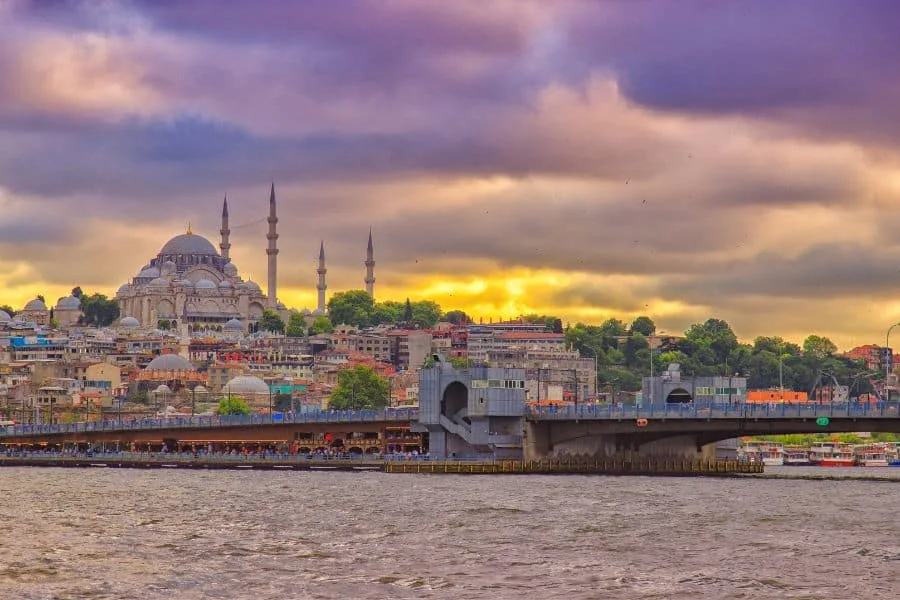
In crowded markets, transit stations and busy sightseeing areas, keep your bag closed and in front of you. Put your phone away when you’re distracted by directions or a purchase. Keep a backup payment method separate from the card you use during the day.
Be cautious when a stranger quickly steers you toward a bar, shop or other business. You don’t need to accept an invitation or explain why you’re leaving. Before ordering drinks or agreeing to a service, look at the price and confirm the currency and any additional charges. If a menu or bill is unclear, ask before paying.
At a market, decide what you’re willing to spend before bargaining. Check the item and final price before money changes hands, and keep receipts for significant purchases. Walk away if you feel pressured. A friendly conversation doesn’t oblige you to buy.
For a taxi, use an established booking method when possible and check the vehicle and destination before setting off. Ask how the fare will be calculated. Keep your hotel address available in writing, and pay attention to your route without arguing with the driver while the vehicle is moving. If you feel unsafe, ask to stop somewhere public.
After dark, plan your return before you go out. Keep control of your drink, avoid leaving it unattended and be wary of unexpected invitations from people you’ve just met. If you’re with friends, agree on a meeting point in case you become separated.
Is Turkey safe for solo and female travelers?
Solo travelers can reduce uncertainty by choosing accommodation with a staffed reception or a clear arrival procedure, especially for a late check-in. Tell someone you trust where you’re staying and when you expect to move on. You can share a route without sharing your live location publicly.
Women traveling alone should use the same practical precautions they’d use elsewhere: arrange a way home, trust their judgment about unwanted attention and move toward a staffed business or other public place if a situation feels uncomfortable. You don’t need to be polite at the expense of your safety.
Clothing expectations vary by setting. At mosques, dress modestly and follow posted instructions; women should carry a headscarf for visits. Our mosque etiquette guide explains what to expect. Modest clothing is useful for religious sites, but it isn’t a guarantee against harassment, and responsibility for unwanted behavior rests with the person causing it.
How can you stay safe during demonstrations and large gatherings?
Political demonstrations and large public events can disrupt transport and change quickly. If you encounter a gathering, don’t stop to watch from the edge. Move away, follow instructions from local authorities and check for service interruptions before continuing.
For a festival or crowded event, set a meeting point outside the densest area and keep your phone charged. Know which direction you’ll take if you need to leave, and avoid pushing toward an exit when a crowd is moving slowly. If you’re traveling with children, make sure they know whom to approach for help if separated.
Be cautious about photographing security personnel, restricted areas or a confrontation. Local laws and restrictions may differ from those at home. When in doubt, put the camera away and leave the area.
What should you know about earthquakes and outdoor activities?
Earthquakes are a relevant risk in Turkey, although no traveler can predict when or where one will occur. When you check in, locate the stairs and exits and note where you can assemble outside. Keep shoes and essential medication accessible rather than buried in your luggage.
During shaking, protect yourself from falling objects: drop to your hands and knees, take cover under sturdy furniture if possible, and hold on. Stay away from windows. Once the shaking stops, follow local instructions, use stairs rather than elevators if evacuation is necessary, and be alert for further shaking.
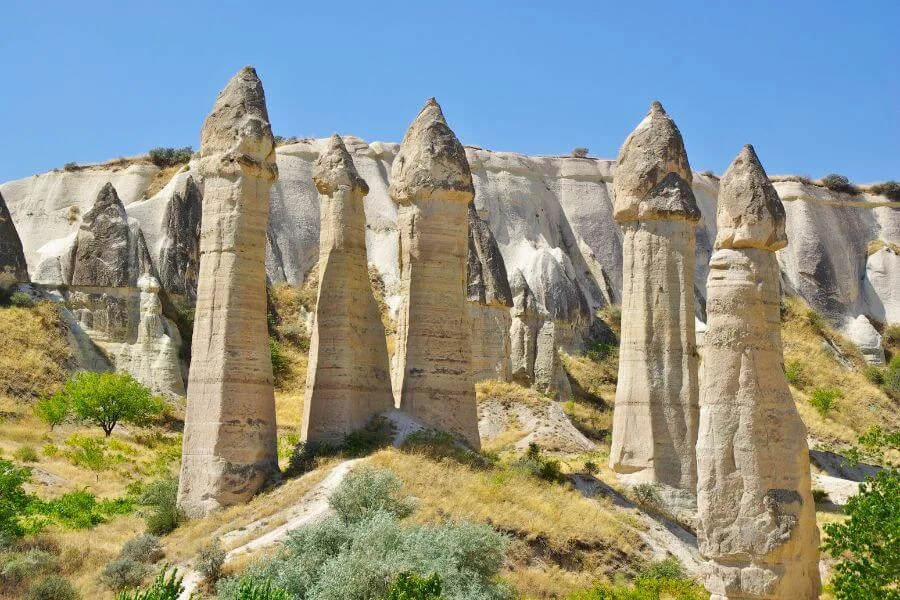
For walks and adventure activities, ask about the route, equipment and cancellation conditions before paying. In Cappadocia, paths can be uneven and exposed. Wear shoes with a secure grip, carry water and tell the operator about mobility concerns before committing to a hike.
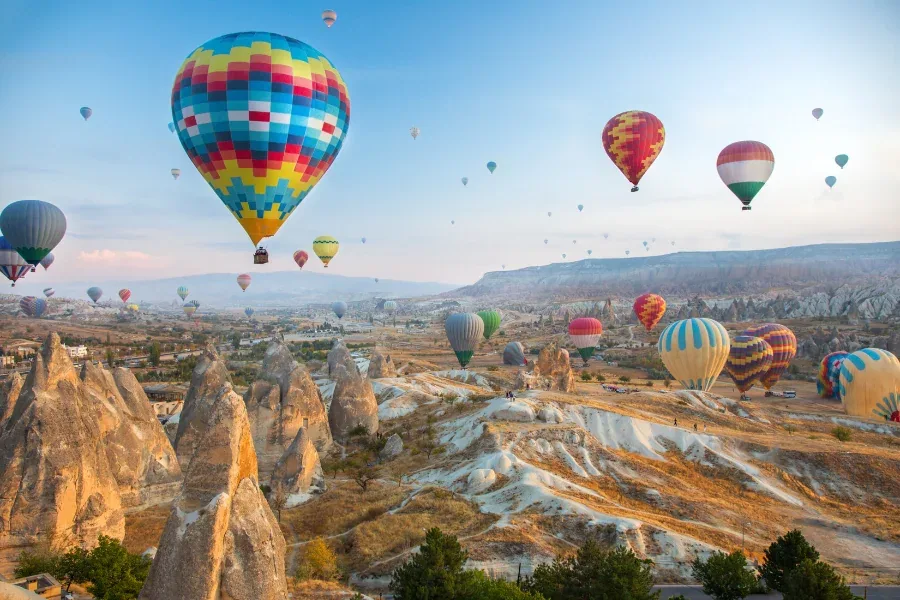
If you’re considering a balloon flight, ask the operator how weather-related cancellations and refunds are handled. Don’t build a nonrefundable onward connection around an assumption that the flight will operate.
How should you prepare for medical problems in Turkey?
Before departure, review your travel insurance for medical treatment, emergency evacuation and the activities you intend to do. Check the deductible, exclusions and procedure for contacting the assistance provider. If you have an existing medical condition, ask the insurer how it affects your coverage.
Carry essential medication in its original packaging along with a copy of your prescription. If you need specialist supplies or ongoing treatment, discuss your plans with your healthcare provider before leaving and identify how you would obtain help at your destination. Don’t assume every medicine you use at home will be available under the same name.
For a serious illness or injury, seek urgent medical help rather than waiting for a routine insurance response. As soon as practical, contact your insurer or ask someone with you to do so. Keep medical documents and payment receipts: your insurer may need them for a claim.
For food and drink, use your judgment about hygiene and ask about ingredients if you have allergies. Carry water on exposed sightseeing days and take breaks when heat or fatigue makes walking difficult. If you develop significant symptoms, seek medical advice rather than trying to continue a full schedule.
What should you do if your passport or phone is stolen?
Keep a copy of your passport information separate from the original, and store a digital copy somewhere protected. A copy can help you provide details after a loss, but it doesn’t replace your passport as a travel document.
If your passport disappears, report the loss to local police and contact your embassy or consulate for instructions on obtaining a replacement or emergency travel document. Ask what documentation you’ll need and how the loss affects onward travel. Contact your insurer as well, and keep any police report or reference number for your claim.
If a card or phone is missing, block the card through your bank and use your device provider’s tools to secure the phone. Don’t rely solely on a phone for your hotel address, emergency contacts or access to funds. A written backup and a separately stored card can make the immediate problem easier to manage.
How do you choose safer accommodation and transport?
Read recent accommodation reviews for practical concerns such as access after dark, staff availability and whether the address is easy to find. Confirm late-arrival arrangements directly. Once there, check that your room locks properly and ask reception about a safe route back at night.
For airport transfers or intercity travel, confirm the operator, meeting point and booking details in advance. Don’t hand over luggage to someone who can’t identify your reservation. If a pickup isn’t where you expect it, contact the company using the number on your confirmation rather than following an unsolicited offer.
On buses, ferries and other shared transport, keep valuables with you rather than in unattended luggage. Check the destination before boarding and allow enough time to make a connection without rushing. If weather or a local incident disrupts service, follow the operator’s instructions and reassess your onward plans.
Yes, a trip to Turkey can be planned with sensible precautions. The most useful next step is to check current government advice against your exact itinerary, then save the contacts you’d need if plans change.
Frequently Asked Questions About Turkey
Is Turkey safe for tourists right now?
Conditions can change and vary by region. Check your government’s current travel advice for the places you plan to visit before departure and again if circumstances change.
Is Istanbul safe for solo travelers?
Solo visitors should take ordinary city precautions, including securing valuables and planning their route back after dark. Choose accommodation with a clear arrival procedure and leave an uncomfortable situation promptly.
Are women safe traveling alone in Turkey?
Women can travel independently, but should plan transport, use their judgment about unwanted attention and seek help in a public place if needed. For mosque visits, carry a headscarf and follow the site’s dress instructions.
What scams should travelers watch for in Turkey?
Be cautious about unsolicited invitations to bars or shops and unclear prices for services. Check the price and currency before ordering or agreeing to a purchase, and leave if you feel pressured.
What should I do during an earthquake in Turkey?
Drop, take cover under sturdy furniture if possible, and hold on. After the shaking stops, follow local instructions and use stairs if you need to evacuate.
What if I lose my passport in Turkey?
Report the loss to local police and contact your embassy or consulate for replacement-document instructions. Keep any report or reference number and notify your travel insurer.
About the author
All Istanbul Tours is a TÜRSAB-licensed travel agency (no. 6073) based in Istanbul, planning private and group tours across Türkiye.
Plan your trip
Turkey tours
 4 days
4-Day Cappadocia, Pamukkale and Ephesus Tour from Istanbul By Plane & Bus
From €728 per person
 3 days
3-Day Cappadocia and Pamukkale Tour from Istanbul by Air & Bus
Double occupancy €615 per person
 4 days
4-Day Cappadocia, Pamukkale & Ephesus Tour from Istanbul with Flights
From €905 per person
Not sure which tour fits your dates? Ask us on WhatsApp
Keep reading
More Turkey guides
 Turkey
How to Visit Cappadocia, Pamukkale & Ephesus in 4 Days from Istanbul (Step-by-Step Plan)
Fly Istanbul to Cappadocia, Pamukkale and Ephesus in just 4 days. Full day-by-day plan, 2026 costs from €863, balloon tips and booking advice.
 Turkey
European Side vs Asian Side of Istanbul: Which Should You Visit?
Compare Istanbul’s European and Asian sides, including where to stay, how to cross the Bosphorus, costs, timing, and tours.
 Turkey
Is Istanbul Safe for Tourists? Honest Safety Tips for 2026
Istanbul safety advice for 2026: neighborhoods, airport transfers, common scams, family tips, and guided tour costs.