
Istanbul Travel Guide
Istanbul is the rare city that straddles two continents, where the domes and minarets of a former Byzantine and Ottoman capital rise above the shimmering Bosphorus. Layer upon layer of history, from Roman cisterns to imperial palaces and covered bazaars…
Explore tours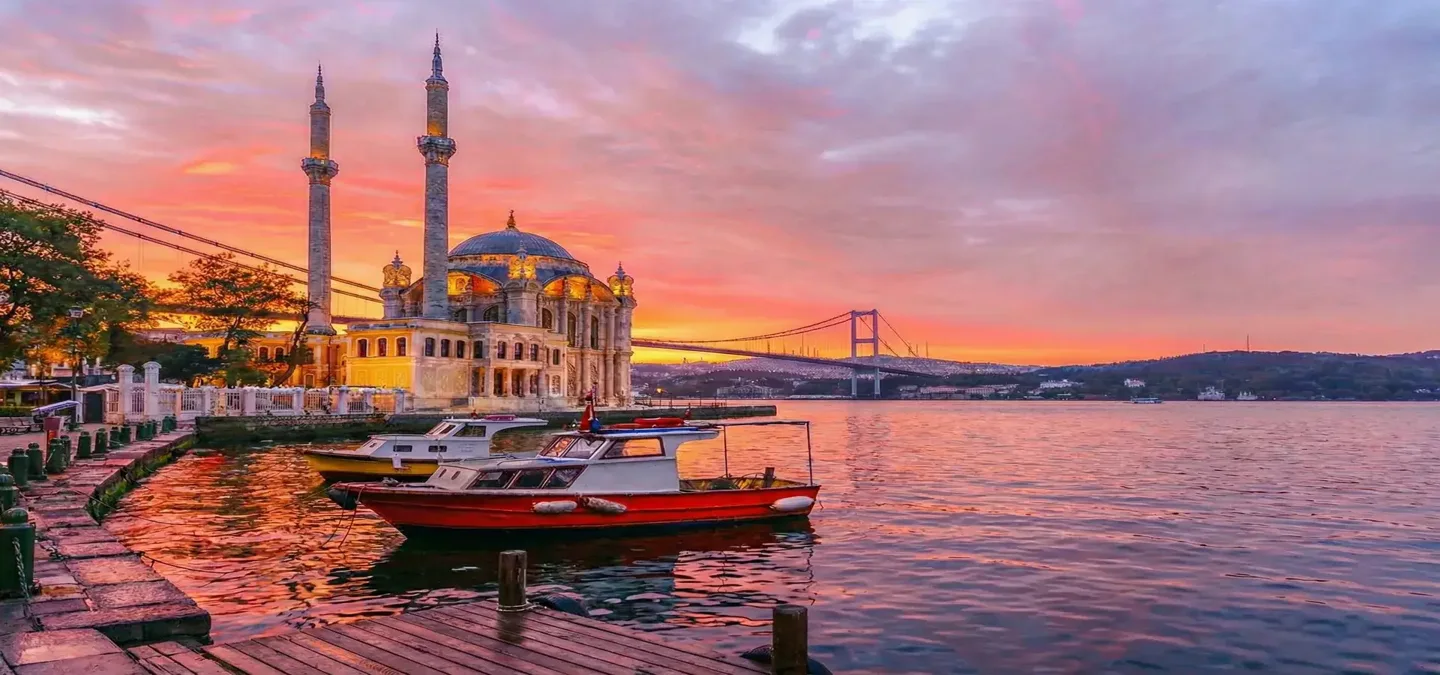
Tours featured in this guide
 Day trip
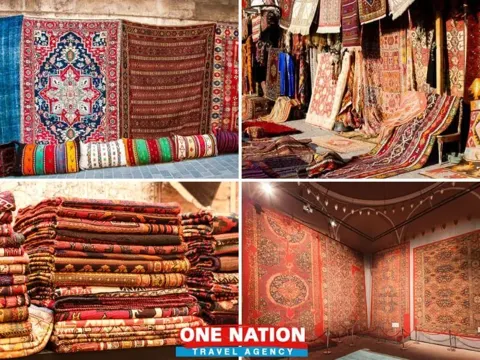
Turkish Rug Shopping Tour with Expert
From €300 per person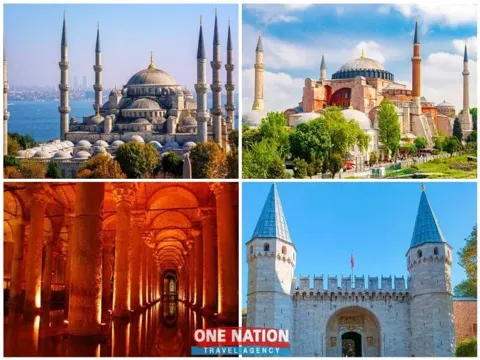 Day trip
8-Hour Private Guided Tour in Istanbul
Private tour From €210 per person Day trip
Istanbul Airport Transfer
Shared group tour From €80 per group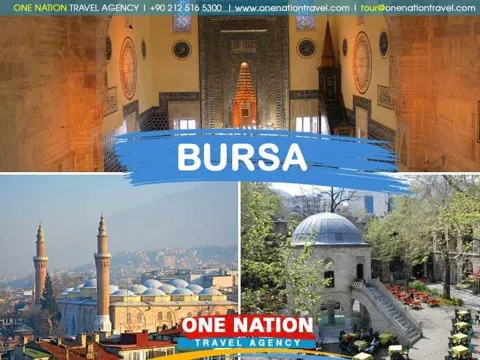 Day trip
Bursa Day Trip from Istanbul
Shared group tour From €119 per person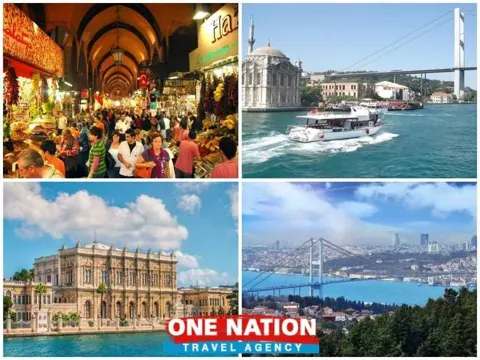 Day trip
Full Day Dolmabahçe Palace and Two Continents Tour
Shared group tour From €160 per person Day trip
Sapanca and Masukiye Day Trip from Istanbul
Shared group tour From €120 per personOn this page
📍 Top Things to Do in Istanbul
The experiences worth building your trip around.
1Hagia Sophia
Once a Byzantine cathedral and later an Ottoman mosque, this monumental domed structure is one of the world's great architectural wonders. Its soaring interior pairs gold Christian mosaics with vast Islamic calligraphy roundels in a combination found nowhere else.
2Blue Mosque (Sultanahmet Mosque)
Defined by its cascade of domes and six slender minarets, the mosque is lined inside with more than twenty thousand blue and green Iznik tiles. It is still an active place of worship, welcoming respectful visitors outside the five daily prayer times.
3Topkapi Palace
The lavish former residence of Ottoman sultans sits on a promontory overlooking the Bosphorus, the Golden Horn, and the Sea of Marmara. Explore its four courtyards, the tiled Harem quarters, and a treasury holding the emerald-set Topkapi Dagger and the Spoonmaker's Diamond.
4Grand Bazaar
One of the world's oldest and largest covered markets, with thousands of shops threaded along more than sixty lanes selling carpets, ceramics, lamps, jewelry, and leather. Getting pleasantly lost in its labyrinth, tea in hand, is half the experience.
5Basilica Cistern
An atmospheric sixth-century underground reservoir supported by 336 columns, softly lit and echoing with dripping water. Seek out the two carved Medusa-head bases, one set sideways and one upside down, at the far corner.
6Bosphorus Cruise
A boat trip along the strait dividing Europe and Asia glides past waterfront palaces like Dolmabahce, wooden yali mansions, and the fortress of Rumeli Hisari. It is the best way to grasp Istanbul's dramatic, water-wrapped setting.
7Spice Bazaar
A fragrant L-shaped market beside the Eminonu waterfront, piled with spices, Turkish delight, teas, nuts, and dried fruit. Smaller and easier to navigate than the Grand Bazaar, it is ideal for sampling and picking up edible gifts.
8Galata Tower and Beyoglu
Climb the Genoese-built Galata Tower for one of the finest panoramas over the old city, the Golden Horn, and the Bosphorus. The surrounding Beyoglu district and pedestrian Istiklal Street buzz with cafes, music, and nightlife.
🗺 Suggested 3-Day Itinerary
A relaxed, realistic plan you can adapt to your pace.
Day 1
The Historic Peninsula (Sultanahmet)
Focus on the old city, where the great monuments cluster within an easy walk of one another. Visit Hagia Sophia and the Blue Mosque facing each other across Sultanahmet Square, descend into the Basilica Cistern, then spend the afternoon in Topkapi Palace and its gardens. Wind down with tea overlooking the square as the mosques light up at dusk.
Day 2
Bazaars and the Bosphorus
Spend the morning browsing and bargaining in the Grand Bazaar, then walk downhill to the Spice Bazaar near the Eminonu waterfront on the Golden Horn. In the afternoon, board a Bosphorus cruise to see the palaces and hillside neighborhoods from the water, returning for tea and a grilled fish sandwich by the Galata Bridge.
Day 3
Beyoglu and the Asian Side
Head to Beyoglu to climb the Galata Tower and stroll Istiklal Street with its cafes, shops, and historic tram. In the afternoon, take a short ferry from Karakoy or Eminonu across to Kadikoy on the Asian side, grazing through its lively food market and back streets. Finish with a rooftop dinner overlooking the illuminated skyline.
☀ Best Time to Visit
The most comfortable times to visit Istanbul are spring (April to early June) and autumn (September to October), when temperatures are mild, the light is lovely for walking, and crowds are thinner than at peak. Summer can be hot, humid, and busy, while winter is cool, gray, and occasionally rainy or even snowy, though it brings lower prices and quieter sights. For the best balance of pleasant weather and manageable crowds, aim for late spring or early autumn.
See the Month-by-Month Guide →🚌 Getting There & Around
Istanbul is served by two main airports: Istanbul Airport (IST) on the European side, which handles most international flights, and Sabiha Gokcen Airport (SAW) on the Asian side. Both connect to the center by metro, airport shuttle buses, and taxis, though a private transfer is often the easiest option after a long flight. Within the city, the historic core of Sultanahmet is best explored on foot, while an integrated network of trams, metro lines, funiculars, buses, and ferries reaches farther districts; a single rechargeable Istanbulkart works across all of them at lower fares. The ferries crisscrossing the Bosphorus and Golden Horn double as scenic sightseeing and are the natural way to reach the Asian side or the Princes' Islands for a day trip.
🏨 Where to Stay
Best areas to base yourself in Istanbul.
Sultanahmet
The historic heart of the old city, within walking distance of Hagia Sophia, the Blue Mosque, and Topkapi Palace, ideal for first-time visitors focused on the major sights.
Beyoglu (Galata / Karakoy)
A lively, more contemporary area around Istiklal Street and the Galata Tower, known for boutique hotels, restaurants, rooftop bars, and nightlife.
Kadikoy
A relaxed, authentic neighborhood on the Asian side with superb food markets, cafes, and local character, great for experiencing everyday Istanbul away from the tourist crush.
🎫 Recommended Istanbul Tours
Expertly guided tours and packages that cover the highlights above.
💡 Practical Tips
✓Dress modestly for mosques
When visiting mosques, both men and women should cover their shoulders and knees, and women should bring a scarf for their hair. Shoes come off before entering, so easy-to-remove footwear helps; many mosques provide free head coverings and bags at the door.
✓Wear comfortable shoes
Istanbul is a hilly city of cobblestone streets and long distances between sights, so sturdy, broken-in walking shoes make a real difference. Expect to be on your feet for much of each day.
✓Get an Istanbulkart
A single rechargeable Istanbulkart covers trams, metros, ferries, funiculars, and buses at cheaper fares than single tickets, and one card can pay for several travelers. Buy and top it up at machines in stations.
✓Carry some cash and expect bargaining
Cards are widely accepted, but small amounts of Turkish lira are handy for markets, tips, and street food. In the bazaars, polite haggling is expected and part of the fun, so start below the asking price and stay friendly.
❓ Istanbul Travel FAQ
How many days do I need in Istanbul?
Three full days let you cover the major historic sights, the bazaars, a Bosphorus cruise, and the modern districts at a comfortable pace. With more time you can add day trips such as the Princes' Islands or explore neighborhoods in greater depth.
Is Istanbul safe for tourists?
Istanbul is generally safe for visitors, and millions travel there each year without trouble. As in any large city, keep an eye on your belongings in crowded areas and markets, and be wary of common tourist scams around the main sights.
Which continent is Istanbul in, Europe or Asia?
Istanbul uniquely spans both, with the Bosphorus strait dividing its European and Asian sides. Most historic monuments are on the European side, but frequent ferries make it easy to visit the Asian side too.
Do I need to book major attractions in advance?
Booking ahead for popular sites like Topkapi Palace and the Basilica Cistern is highly recommended, as lines can be long in peak season. Advance tickets or a guided tour can save considerable waiting time.
What is the local currency and can I use cards?
The local currency is the Turkish lira. Credit and debit cards are widely accepted in hotels, restaurants, and shops, but it is useful to carry some cash for markets, taxis, and street vendors.
Can I visit the mosques as a tourist?
Yes, working mosques such as the Blue Mosque welcome respectful visitors outside of prayer times. Dress modestly, remove your shoes before entering, and stay quiet during any prayers taking place.