TurkeyTravel guide10 min read
Experience the Relaxing Tradition of a Turkish Bath
Turkish bath experience basics for first-timers: the usual hamam sequence, kese scrub and soap wash, what to wear, and what to confirm before you book.
 By All Istanbul ToursPublished · Updated
In this guide 7 sections
- What happens during a Turkish bath experience?
- How do the kese scrub and soap wash work?
- What should you wear and bring?
- How do you choose a hamam and treatment?
- What should first-time visitors know about etiquette?
- Common mistakes to avoid at a Turkish bath
- Frequently Asked Questions About a Turkish Bath
A Turkish bath experience, or hammam, combines a warm room, water, exfoliation with a kese mitt and, if you choose, a soap wash or massage. The order and services vary by bath, so check what’s included before booking and tell the staff if you want to skip or change a treatment.
This guide is for first-time visitors who want to know what happens inside a hamam, what to wear and how to choose a treatment that feels comfortable rather than rushed. A scrub and massage aren’t automatic parts of every visit, and you can ask what each service involves before you begin.
What happens during a Turkish bath experience?
A hamam visit is less like a spa appointment with one fixed treatment and more like a sequence of bathing and optional services. Traditional bathhouses may have separate changing, warm and hot areas, but facilities and visitor arrangements differ. Follow the staff’s directions rather than assuming every place uses the same layout or routine.
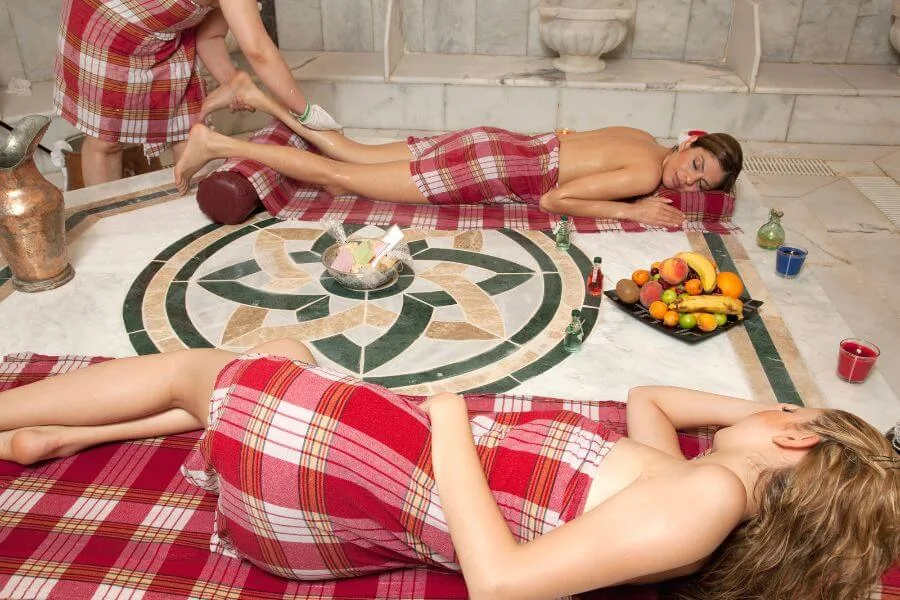
You’ll usually change before entering the bathing area. A pestemal may be provided as a wrap, but ask whether you should bring swimwear or whether the venue supplies towels and other items. Once inside, give yourself time to get used to the warmth. You don’t have to stay in a hot room if you feel uncomfortable.
After warming up, you can rinse with water. At some hamams, a staff member may offer a kese scrub and a foamy soap wash. These are services to confirm when booking, not steps to assume are part of the basic admission. A massage may also be offered separately. Ask about its length, price and level of pressure before agreeing.
When you’re finished, rinse off and take a few minutes to cool down. Some bathhouses provide a place to rest afterward; others may not. If you’d like tea or another drink, check whether it’s available and whether it costs extra.
The pace can vary, too. Some visitors prefer to spend time warming up before deciding whether to add a treatment. Others book a set service in advance. If you want flexibility, ask whether you can decide on the scrub or massage after you arrive, and whether the price changes if you add it on site.
How do the kese scrub and soap wash work?
The kese is a textured mitt used to exfoliate the skin. A staff member may scrub your arms, legs and back, depending on the service and your preferences. The sensation can be firm. It isn’t meant to be a test of endurance, so speak up if you want lighter pressure, less contact or to stop.
A soap wash often follows the scrub. The attendant creates foam and washes the body, then rinses it away. A massage may come afterward or be booked as a separate treatment. These steps vary, so clarify the order before the service begins.
Don’t assume that a more forceful scrub is better. If your skin is sensitive, irritated or sunburned, ask whether exfoliation is suitable for you or skip it. You can also decline massage and choose a simpler bathing visit. The staff should explain what’s offered, but you’re the one who decides what you’re comfortable with.
Before the treatment starts, make your preferences clear in simple terms: ask for lighter pressure, say which areas you want left alone, or confirm that you want only the wash. It’s easier to agree on boundaries before you’re on the heated stone or the attendant has begun. If you change your mind during the service, say so then; you don’t have to wait until the end.
A scrub can leave skin feeling tender, so don’t treat it as a beauty requirement or assume you need one to “complete” the visit. If you’ve recently had a skin treatment or have a condition that makes heat or exfoliation a concern, check with a healthcare professional and tell the bath staff before booking. You can choose the bathing areas without adding a scrub.
What should you wear and bring?
Ask the hamam what it provides before you arrive. Many visitors use a pestemal, a lightweight cotton wrap, but clothing rules and available supplies differ from one venue to another. Some people prefer wearing a swimsuit underneath. Confirm whether that’s allowed and whether you need to bring your own.
- Check whether a pestemal, towel, slippers and soap are included.
- Bring a change of clothes if you’d rather not dress in damp items afterward.
- Remove jewelry that you don’t want exposed to water, heat or soap.
- Tell staff about sensitive skin or areas you don’t want touched before a scrub or massage starts.
You don’t need to bring special equipment for the ritual. The useful preparation is knowing what the venue supplies, what clothing it expects and which treatments you’ve booked.
Check whether the changing area has somewhere secure for your belongings. Leave valuables you don’t need at your accommodation, and keep your booking details handy in case reception asks you to confirm the service. If you’re arriving with wet hair or plan to wash it, ask whether shampoo and hair-drying facilities are available rather than counting on them.
How do you choose a hamam and treatment?
Start with the experience you want. If you’re curious about the bathing ritual but unsure about treatments, ask whether you can visit without booking a scrub or massage. If you want the full sequence, request a clear description of each step and its price before you reserve.
Historic architecture may be part of the appeal at some baths, while other venues focus more on a spa-style service. Don’t use the building’s appearance as a substitute for checking practical details: ask about changing arrangements, treatment duration, included facilities and whether the service is shared or private. Those details can vary by venue and booking.
Also check how appointments are arranged and whether the bath has separate areas or schedules for different guests. Don’t assume policies are the same across all hamams. If you have mobility needs, ask about steps, changing facilities and access to the bathing areas before making a reservation.
If you’re visiting during a packed sightseeing day, consider whether you’ll have enough time to arrive, change and cool down without hurrying. A hamam is easier to enjoy when you aren’t watching the clock or trying to fit a treatment between fixed plans.
When comparing options, look at the service details rather than choosing by package name alone. Ask whether the quoted time includes changing and rest, whether you’ll share the bathing space, and whether the listed price covers every treatment you want. If the description is vague, contact the venue before paying. A lower starting price may reflect a simpler visit, while a longer package may include services you don’t want.
Think about your comfort with heat, touch and shared spaces as part of that choice. If you’d rather keep the visit simple, ask for a bathing-only option and confirm that it’s available. If you’re booking for two people, check whether you’ll have the same schedule and whether the venue can accommodate any separate preferences. Don’t assume that a pair booking means you’ll receive treatments together.
What should first-time visitors know about etiquette?
Ask staff what to do when you arrive and follow their guidance in each room. Keep your voice low if other guests are bathing or resting, and don’t photograph people. Check before taking photos anywhere inside; privacy expectations matter in a bathing space.
Tell the attendant what you do and don’t want before a treatment begins. You can ask for less pressure, decline a step or stop at any point. If you’re not sure whether something is included, ask before it happens rather than trying to sort out the price afterward.
Tipping practices can differ between venues. Check whether a service charge is included and ask the reception desk about its policy if you want to leave a tip. Don’t feel obliged to add a service you didn’t request.
It’s also fine to ask for instructions if you’re unsure where to go next. A hamam may be unfamiliar if it’s your first visit, and staff can explain where to change, rinse and wait. Follow any rules about footwear and moving between areas. If you feel too hot or unwell, leave the warm area, sit down and let staff know.
Common mistakes to avoid at a Turkish bath
- Assuming every visit includes a scrub and massage. Confirm which services are in the price and which are optional.
- Staying in the heat when you feel unwell. Leave the warm area, sit down and tell staff if you feel uncomfortable.
- Not explaining your preferences. Mention sensitive skin, pressure preferences and any areas you don’t want touched before a treatment.
- Arriving without checking what to wear. Ask whether the hamam supplies a wrap and whether swimwear is permitted.
- Booking too tightly around other plans. Allow time for changing and cooling down, and confirm the expected duration of your chosen service.
One more easy-to-miss detail is the difference between a treatment’s listed duration and the full time you’ll spend at the venue. Arrival, changing, waiting and cooling down can all add time. Ask the hamam to clarify what its estimate covers, especially if you’re booking around a meal or other appointment.
Finally, don’t agree to an extra service until you know its cost and what it involves. You can ask for the price before saying yes, and you can decline without explanation. Keeping the booking clear helps prevent a relaxing visit from turning into an awkward conversation at checkout.
Frequently Asked Questions About a Turkish Bath
How long does a Turkish bath experience take?
It depends on the venue and the services you choose. Ask how long the visit and each treatment take, then leave time to change and cool down instead of scheduling the bath back-to-back with another commitment.
Do I have to get a kese scrub?
No. The scrub is an optional service at many venues, not something you should assume is required. Ask what’s included and tell the staff if you’d rather bathe without exfoliation.
Is a massage included in a Turkish bath?
It may be offered as part of a package or as an additional service, depending on the hamam. Confirm the price, length and type of massage before you book.
What should I wear in a hamam?
Ask the venue about its clothing policy. A pestemal may be provided, and some visitors prefer a swimsuit, but arrangements differ. Check what’s permitted and supplied before you go.
Can I skip a step during the treatment?
Yes. You can decline a scrub or massage, request lighter pressure or stop a treatment. Tell the attendant what you want before the service starts, and speak up if you change your mind.
Should I tip the hamam attendant?
Practices vary by venue. Check whether a service charge is included and ask reception about the local tipping policy if you’re unsure. You don’t need to tip for a service you didn’t receive.
A Turkish bath experience can be a simple bathing visit or a longer sequence with a kese scrub, soap wash and massage. Check the hamam’s current services and prices, choose only the treatments you’re comfortable with, and leave enough time to enjoy the visit at your own pace.
About the author
All Istanbul Tours is a TÜRSAB-licensed travel agency (no. 6073) based in Istanbul, planning private and group tours across Türkiye.
Plan your trip
Turkey tours
 4 days
4-Day Cappadocia, Pamukkale and Ephesus Tour from Istanbul By Plane & Bus
From €728 per person
 3 days
3-Day Cappadocia and Pamukkale Tour from Istanbul by Air & Bus
Double occupancy €615 per person
 4 days
4-Day Cappadocia, Pamukkale & Ephesus Tour from Istanbul with Flights
From €905 per person
Not sure which tour fits your dates? Ask us on WhatsApp
Keep reading
More Turkey guides
 Turkey
How to Visit Cappadocia, Pamukkale & Ephesus in 4 Days from Istanbul (Step-by-Step Plan)
Fly Istanbul to Cappadocia, Pamukkale and Ephesus in just 4 days. Full day-by-day plan, 2026 costs from €863, balloon tips and booking advice.
 Turkey
European Side vs Asian Side of Istanbul: Which Should You Visit?
Compare Istanbul’s European and Asian sides, including where to stay, how to cross the Bosphorus, costs, timing, and tours.
 Turkey
Is Istanbul Safe for Tourists? Honest Safety Tips for 2026
Istanbul safety advice for 2026: neighborhoods, airport transfers, common scams, family tips, and guided tour costs.