
 Ankara Tours
12-Day Turkey Highlights Tour: Istanbul, Konya, Cappadocia, Pamukkale, Ephesus & Ankara
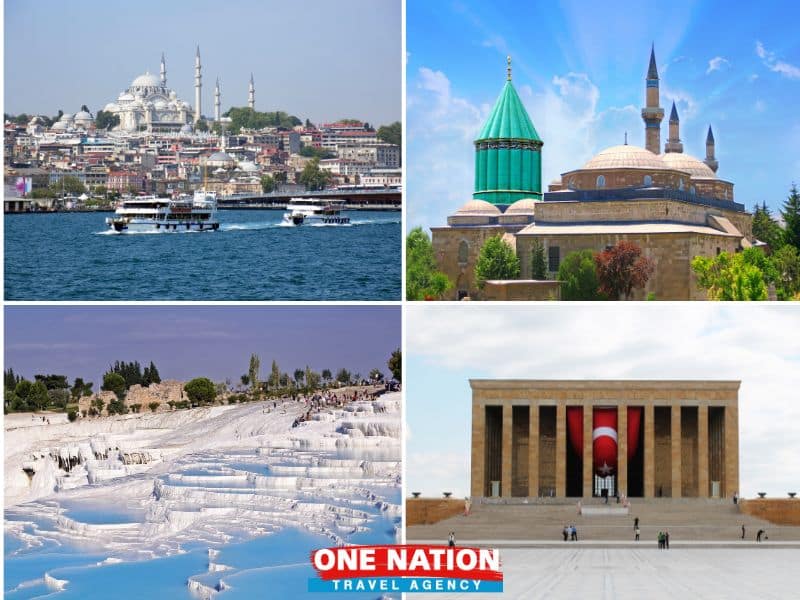
Follow a 12-day route across Turkey that begins in Istanbul and continues to Konya, Cappadocia, Pamukkale, Ephesus and Ankara. The…
Konya is one of Turkey's oldest continuously inhabited cities and the spiritual home of the whirling dervishes, where the 13th-century mystic and poet Rumi (Mevlana) lived, taught, and is buried. A former Seljuk capital, it blends turquoise-domed shrines and elegant medieval madrasas with one of the world's most important Neolithic sites, all wrapped in a warm, traditional atmosphere and a celebrated regional cuisine.
The experiences and sights worth your time, from icons to local favourites.
Konya's most beloved landmark, this turquoise-domed shrine houses the tomb of the 13th-century Sufi poet Rumi (Mevlana) and was once the lodge of the Mevlevi dervish order. Inside you'll find exquisite calligraphy, illuminated Qurans, and dervish artifacts that draw pilgrims and visitors from around the world.
The hypnotic Sema is a UNESCO-recognized ritual in which Mevlevi dervishes spin in flowing white robes as a moving form of prayer. Ceremonies are often held at the Mevlana Culture Center, and the tradition peaks during the annual December Seb-i Arus commemoration of Rumi's passing.
A UNESCO World Heritage Site southeast of the city, this 9,000-year-old Neolithic settlement is one of the earliest known towns on Earth, famous for its densely packed mud-brick houses that were entered through the roof. On-site excavation shelters and a visitor center reveal wall paintings, figurines, and the daily life of some of humanity's first town dwellers.
Konya's most important Seljuk-era mosque crowns Alaeddin Hill, the wooded park at the city's heart, and shelters the tombs of several Seljuk sultans. The hill itself is a favorite spot for locals to stroll, sip tea, and take in views over the old town.
This beautifully preserved 13th-century Seljuk theological college is celebrated for its dazzling turquoise-and-blue tilework and a star-studded domed ceiling that evokes the night sky. Today it houses a collection of Seljuk ceramics and tiles.
Named for its once-tall slender minaret, this Seljuk madrasa is renowned for its intricately carved stone portal, considered a masterpiece of medieval Anatolian craftsmanship. Inside, the museum displays fine examples of Seljuk stone and wood carving.
A charming old settlement on Konya's outskirts where Greek and Turkish communities lived side by side for centuries, leaving behind stone houses, cobbled lanes, and the historic Aya Eleni church, said to date to Byzantine times. Now dotted with cafes and small shops, it makes a relaxed half-day escape from the city.
Konya is a food-lover's city, famed for etli ekmek, a long thin flatbread topped with spiced minced meat, and firin kebabi, tender oven-roasted lamb. Save room for local sweets such as hosmerim and sac arasi, best enjoyed in one of the city's traditional restaurants.
One of Europe's largest butterfly houses, this lush indoor tropical habitat lets visitors walk among thousands of free-flying butterflies amid waterfalls and exotic plants. Housed in a striking butterfly-shaped glass building, it's an engaging, weatherproof stop that's especially popular with families.
A compact but rewarding museum displaying finds from across the region, including Hittite and Phrygian artifacts and a superb Roman sarcophagus carved with the labors of Hercules. It's a good place to set Konya's deep, layered history in context.
Set in the volcanic landscape of the Karapinar district southeast of Konya, this once-brilliant crater lake, long nicknamed the 'evil eye of the world,' sits within a stark, open plain dotted with other crater formations. Though much of the water has receded in recent years, the otherworldly setting still rewards nature lovers and photographers.
Set among soft volcanic rock near the village of Gokyurt southwest of Konya, this early Christian site features rock-cut churches, cave dwellings, and structures carved into the tuff, on the route Saint Paul is said to have traveled through Anatolia. Its quiet, Cappadocia-like setting rewards travelers seeking history off the beaten track.
Guided tours that cover the highlights above, hassle-free.
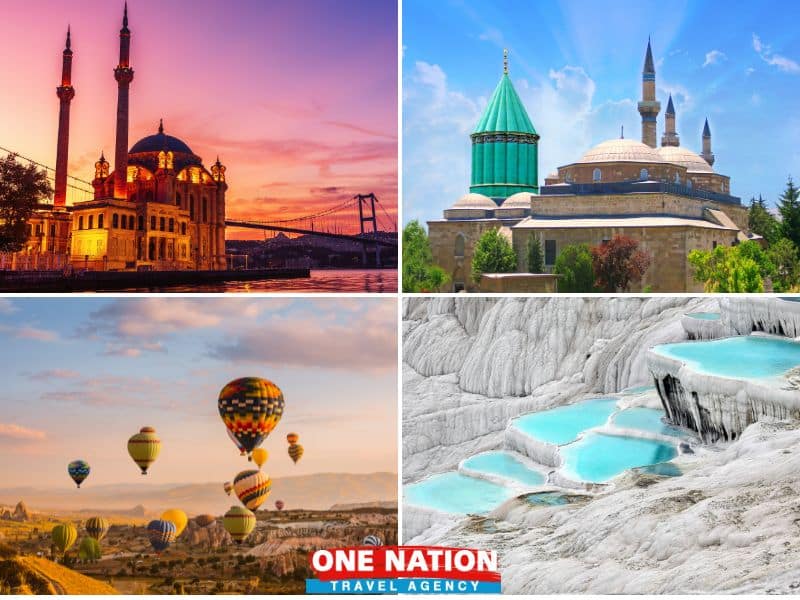
Ankara ToursFollow a 12-day route across Turkey that begins in Istanbul and continues to Konya, Cappadocia, Pamukkale, Ephesus and Ankara. The…
 Turkey Tour Packages
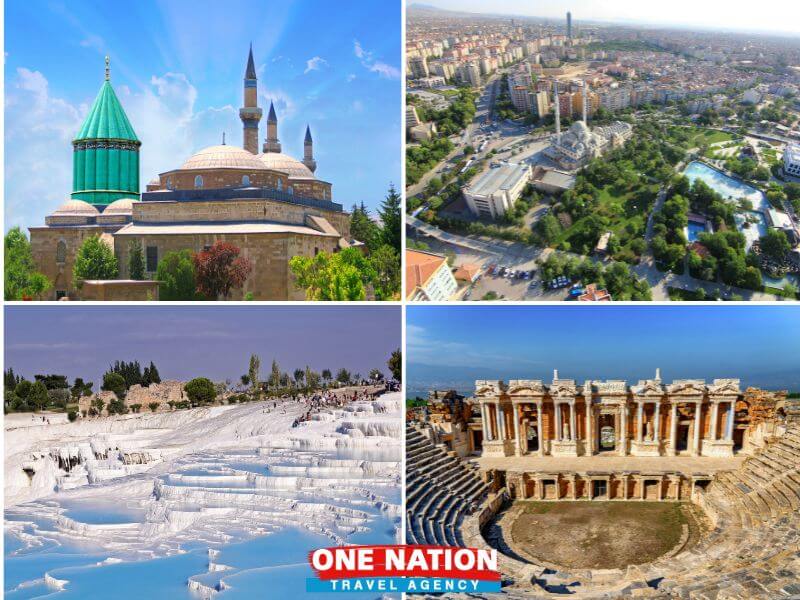
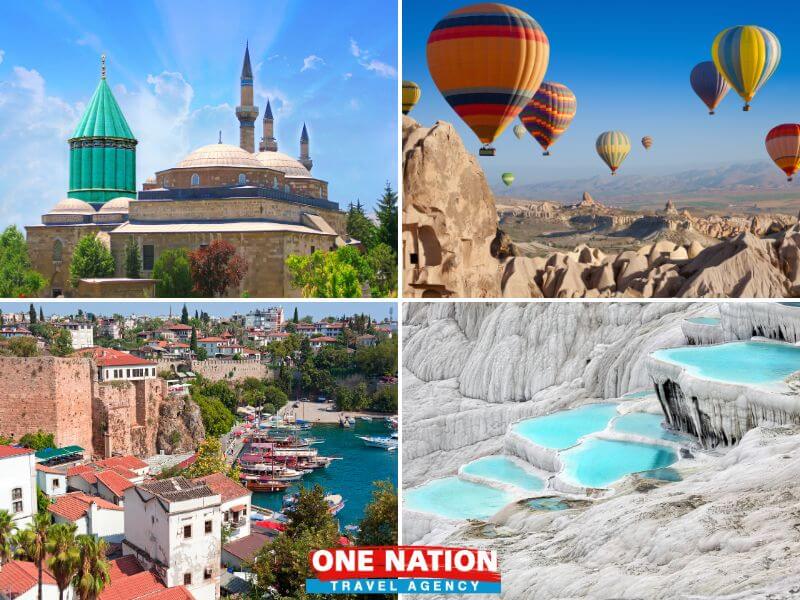
Rumi’s tomb, Seljuk architecture, and mineral-white terraces give this three-day group tour two very different settings. In Konya, you'll explore…
 Turkey Tour Packages
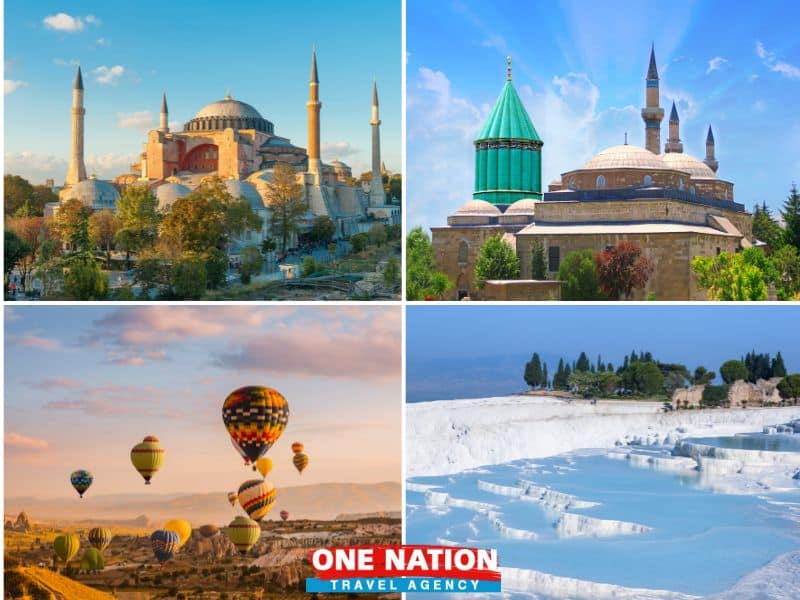
This tour follows an 8-day Istanbul, Konya, Cappadocia and Pamukkale route, starting with an airport transfer from Istanbul New Airport…
 Turkey Tour Packages
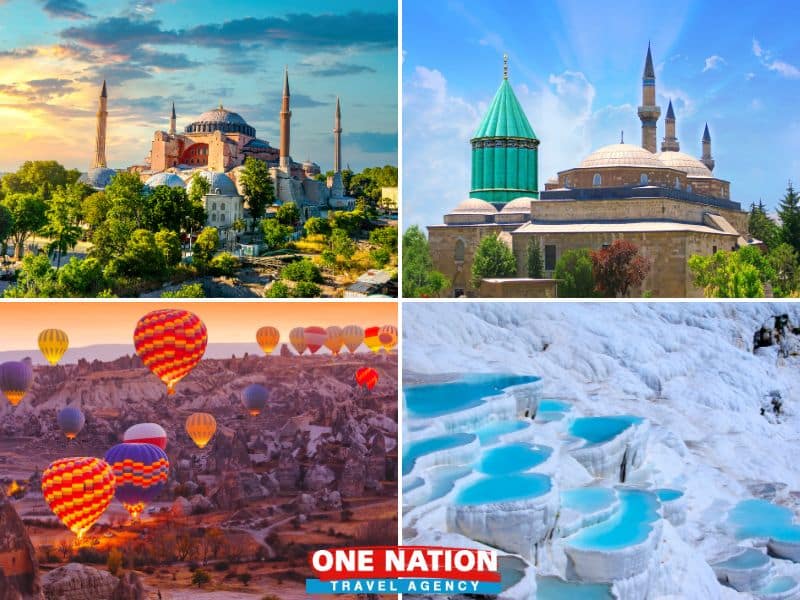
Discover Hagia Sophia, the Blue Mosque, and the Bosphorus on a 13-day Turkey tour starting in Istanbul, with a route…
 Turkey Tour Packages
Begin in Istanbul, where an airport meet-and-greet starts this 11-day Turkey tour package that runs west to east across the…
 Turkey Vacation Packages
Follow a 10-day Turkey Highlights Tour from Istanbul that begins with a morning flight to Konya, continues by coach to…
As both a museum and a revered shrine, it calls for modest clothing, and women are usually asked to cover their heads with a scarf. Coverings are available at the entrance, along with shoe covers for the interior.
This is a deeply traditional city, so dress modestly, be mindful around prayer times, and note that many restaurants do not serve alcohol. A respectful approach is warmly received by locals.
The Neolithic site sits well outside the city with limited public transport, so a car, taxi, or organized tour is the most practical way to reach it, and it pairs naturally with lunch in the countryside.
Sema ceremonies are held regularly, but the atmosphere is most powerful during the annual December Seb-i Arus festival honoring Rumi; book accommodation well ahead for that period, as the city fills up.
One full day is enough to see the Mevlana Museum, the main Seljuk madrasas, and Alaeddin Hill, but two days let you add Catalhoyuk, Sille village, and a proper taste of the local cuisine at a relaxed pace.
Konya is well connected by Turkey's high-speed train, with fast services from Ankara and Istanbul, and it also has an airport with domestic flights. Many travelers visit it as part of a wider central Anatolia route, often combined with Cappadocia.
Yes. Authentic Sema ceremonies are performed regularly, often at the Mevlana Culture Center, and the tradition is at its most significant around the December commemoration of Rumi's passing.
Absolutely, especially if you're interested in Sufi heritage, Seljuk architecture, or ancient history. Its spiritual atmosphere, striking monuments, and the world-famous Catalhoyuk site give it a character quite different from Turkey's coastal resorts.
Konya is best known for etli ekmek, a long meat-topped flatbread, and firin kebabi, slow oven-roasted lamb. The city has a rich, traditional culinary scene rooted in Anatolian home cooking.
Skip the planning stress. All Istanbul Tours packages the best of Konya with transfers, hotels, and licensed guides.