
 Cappadocia
Fairy Chimneys in Cappadocia
The Fairy Chimneys of Cappadocia are among Turkey’s most iconic natural wonders, forming a dreamlike terrain that looks almost otherworldly. Recognized as part of the Göreme National Park UNESCO World Heritage Site, these formations attract travelers from across the globe seeking adventure, history, and unforgettable scenery.
History & Significance
The chimneys were born roughly 60 million years ago when volcanoes such as Mount Erciyes and Mount Hasan blanketed the region in thick ash that hardened into soft rock called tuff. Over millennia, wind and water carved the plateau into cones, columns, and mushroom-shaped pillars. From the 4th century onward, early Christians tunneled into these soft rocks to create homes, monasteries, and frescoed churches, hiding from persecution in a landscape that doubled as a natural fortress.
What to See & Do
The best clusters lie around Göreme, Paşabağ (Monks Valley), Devrent Valley, and Uçhisar. Paşabağ is famous for its multi-headed mushroom chimneys, while the Göreme Open-Air Museum showcases rock-cut churches with stunning Byzantine frescoes. Hiking trails through Love Valley, Rose Valley, and Red Valley reveal panoramic viewpoints at every turn.
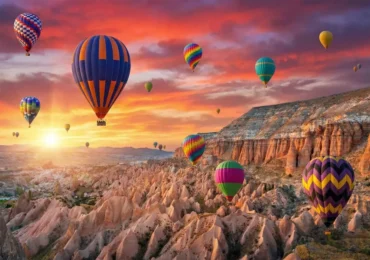
At dawn, dozens of hot-air balloons float above the chimneys, creating one of the world’s most photographed sunrises. A guided trip like the Full Day Private Cappadocia Red Tour: Fairy Chimneys, Göreme & Uçhisar combines the highlights into one seamless day.
Visitor Tips & Practical Info
The valleys and fairy chimney fields are open-air and free to wander at any time. The Göreme Open-Air Museum charges around €25 entry and is open daily from roughly 08:00 to 17:00 (later in summer). Wear sturdy shoes for hiking on uneven, sandy trails, bring water, and pack sunscreen as shade is limited.
Pro Tip: Book a sunrise balloon flight at least a day ahead, as slots sell out fast and flights may be cancelled in windy weather. Spring (April–June) and autumn (September–October) offer the clearest skies and most comfortable temperatures.
Photography is permitted everywhere outdoors, though flash is restricted inside the frescoed cave churches to protect the ancient paintings. Drones require special permits.
Nearby Attractions
Cappadocia pairs beautifully with other Turkish marvels. Combine your trip with the Pamukkale Travertines for another natural spectacle, or visit nearby Konya to see Rumi’s Mevlana Museum. In Istanbul, the panoramic Çamlıca Hill offers a sweeping city contrast to Cappadocia’s wild landscapes.
Plan your visit
Tours to consider for Fairy Chimneys in Cappadocia
Compare the route, time available and what is included. A guided tour does not override venue closures, entry rules or security checks.


1-Day Cappadocia Tour from Istanbul with Cave Hotel Stay & Flights
Starting prices vary by date and party size. Check admissions, optional extras and the final itinerary before booking.
Frequently Asked Questions
Are the Fairy Chimneys in Cappadocia worth visiting?
Absolutely. The Fairy Chimneys offer one of the most unique landscapes on Earth, combining surreal geology with ancient cave churches and homes. Watching hot-air balloons rise over the formations at sunrise is a once-in-a-lifetime experience.
How much does it cost to see the Fairy Chimneys?
Wandering the open valleys and fairy chimney fields is free. The Göreme Open-Air Museum, home to the best rock-cut churches, costs around €25, while a sunrise hot-air balloon flight typically ranges from €180 to €250 depending on the season.
How long should I spend at the Fairy Chimneys?
Plan at least one full day to explore the main valleys, Göreme Open-Air Museum, and viewpoints. Many travelers stay two to three days to enjoy a balloon ride, hiking trails, and nearby underground cities at a relaxed pace.
What should I wear when visiting the Fairy Chimneys?
Wear comfortable, sturdy walking shoes for uneven, sandy hiking trails. Bring layers since mornings are cool and afternoons warm, plus a hat, sunscreen, and water as shade is limited across the open valleys.