
Karatay Madrasa
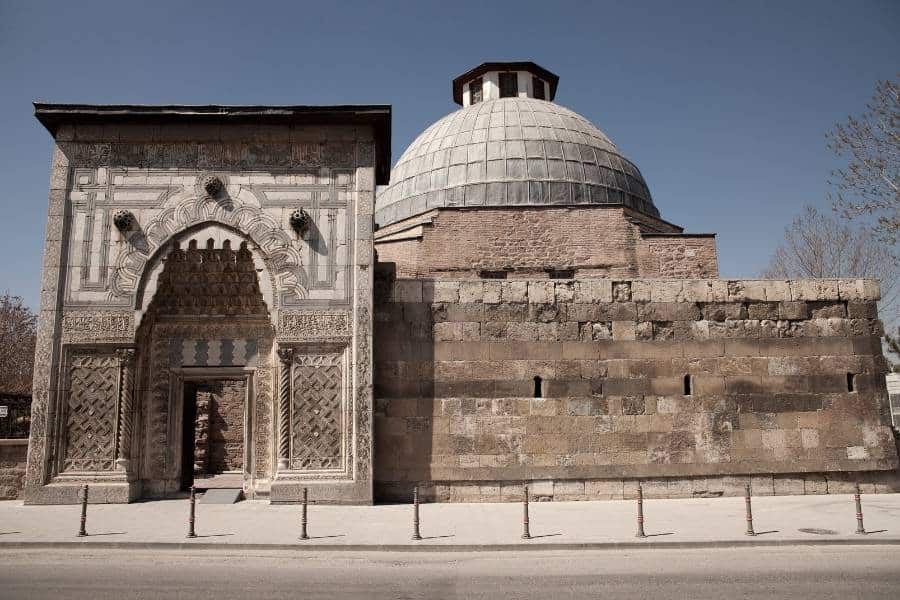
Karatay Madrasa, located in Konya, Turkey, stands as a stunning relic of the Seljuk Empire, built in 1251 under the commission of the vizier Celaleddin Karatay. Initially an educational institution, the madrasa trained students in Islamic sciences and philosophy, contributing to the scholarly heritage of the Seljuks. Today, it serves as the Karatay Tile Museum, where visitors can admire spectacular tile mosaics, intricate arabesques, and celestial blue dome details that showcase Seljuk artistry. The structure’s ornamental portal, with its carved marble and geometric patterns, reflects the meticulous craftsmanship of the period. Karatay Madrasa remains a profound cultural attraction for those interested in Islamic art, architecture, and history.
History and significance of Karatay Madrasa
Karatay Madrasa (Karatay Medresesi) is one of Konya’s finest surviving monuments from the Anatolian Seljuk period. It was commissioned in 1251 by Emir Celaleddin Karatay, a powerful statesman who served the Seljuk sultans, as a religious school where Islamic studies were taught. The building’s formal name was the Karatay Medrese, while its present museum identity reflects its exceptional collection of Seljuk-era ceramics and tiles.
Konya was the capital of the Sultanate of Rum during the 12th and 13th centuries, and Karatay Madrasa captures the artistic ambition of that era. Its richly carved entrance portal and glazed interior decoration show the sophisticated blend of Islamic geometry, calligraphy and craftsmanship developed in Seljuk Anatolia. Today, the building is an important place to understand the city beyond its association with Rumi and the whirling dervishes.
What to see inside
The first feature to notice is the monumental muqarnas portal, a deep, stone-carved entrance framed by Arabic inscriptions and intricate geometric ornament. Step inside and look upward: the central dome is decorated with luminous turquoise and dark-blue mosaic tiles arranged in star-like patterns. Light entering through the roof opening gives the compact interior a dramatic, almost celestial atmosphere.
The former student rooms around the courtyard now display ceramic fragments, architectural tiles and examples of Seljuk and Ottoman decorative arts. Look for the vivid blue, green and black glazed tiles, stylised animal motifs, inscriptions and fragments from nearby monuments. The madrasa itself is the star exhibit, so take time to examine the carved stonework, vaulted iwans and tile panels rather than rushing through the displays.
Practical visitor information
Karatay Madrasa stands beside Alaeddin Hill in central Konya, within easy walking distance of tram stops, cafés and key historic sights. Admission is usually around €3, though ticket prices, museum-pass eligibility and access arrangements can change; confirm the current rate at the entrance or through the official museum service before travelling. Opening hours are generally longer in the summer season and shorter in winter, typically from morning until late afternoon or early evening.
Allow 30 to 45 minutes for a satisfying visit, or up to one hour if you enjoy architectural photography and decorative arts. Early morning is the best time for a calm experience and softer light at the entrance portal. Photography is normally permitted for personal use, but flash, tripods and filming may be restricted, especially around sensitive displays; always follow the notices and staff instructions.
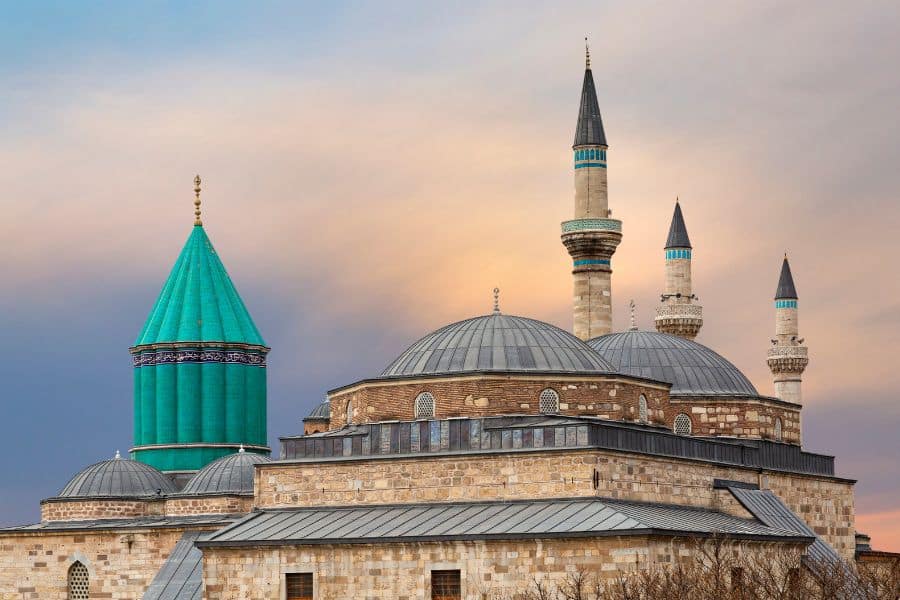
Pro Tip: Pair Karatay Madrasa with a walk across Alaeddin Hill, then continue to the Rumi (Mevlana): Complete Guide to the Mevlana Museum in Konya for a fuller introduction to Konya’s Seljuk and spiritual heritage.
What to wear and nearby sights
As Karatay Madrasa is a historic museum rather than an active mosque, there is no strict dress code. Comfortable, modest clothing is still a thoughtful choice, particularly when combining your visit with nearby religious sites. Wear shoes suitable for stone paving and allow time to explore the surrounding Seljuk landmarks, including Alaeddin Mosque, the İnce Minareli Medrese and the streets leading toward Mevlana Square.
Plan your visit
Tours to consider for Karatay Madrasa
Compare the route, time available and what is included. A guided tour does not override venue closures, entry rules or security checks.
1 Day & 1 Night Konya Tour from Istanbul By Plane
4-Day Konya, Cappadocia & Ankara Tour from Istanbul
5-Day Konya, Cappadocia, Ephesus and Pamukkale Tour
Starting prices vary by date and party size. Check admissions, optional extras and the final itinerary before booking.
Frequently Asked Questions
Is Karatay Madrasa worth visiting?
Yes, Karatay Madrasa is well worth visiting for its spectacular Seljuk stone portal, richly tiled dome and intimate museum displays. It is especially rewarding for visitors interested in Islamic art, medieval architecture and Konya’s Seljuk heritage.
How much does Karatay Madrasa cost?
Entry to Karatay Madrasa is usually around €3, although admission prices and museum-pass conditions can change. Check the current ticket information at the museum entrance before your visit.
How long should I spend at Karatay Madrasa?
Most visitors spend 30 to 45 minutes inside Karatay Madrasa. Allow up to one hour if you want to photograph the exterior, study the tilework closely and read the museum labels.
What should I wear to Karatay Madrasa?
There is no formal dress code because Karatay Madrasa operates as a museum rather than an active place of worship. Comfortable, modest clothing and practical walking shoes are recommended for exploring the surrounding historic centre.