
 Pin it
Turkey weather in March sits right on the line between winter and spring: coastal cities like Istanbul, Izmir and Antalya run roughly 10–15°C (50–59°F) during the day, while inland Cappadocia and Eastern Anatolia stay closer to 0–10°C (32–50°F) with snow possible early in the month. Rain is common in the west, days get noticeably longer as March goes on, and crowds and prices are still at off-season levels. If you can layer up and accept a wet afternoon or two, March is one of the best value months to see Turkey.
This guide is for travelers deciding whether to book a March trip, and for anyone already holding March flights who needs to know what to pack, which regions to prioritize and how much things cost. We run these routes year-round, so the advice below comes from what actually works when the weather is unsettled.
Quick Facts
| Best time to visit | Mid to late March, when days lengthen and inland snow has mostly cleared |
| Time needed | 4 days minimum for Istanbul plus one region; 7–10 days for the classic Turkey loop |
| Getting there | Istanbul Airport (IST) or Sabiha Gökçen (SAW); domestic flights to Kayseri/Nevşehir (Cappadocia), İzmir (Ephesus), Denizli (Pamukkale) take about 1–1.5 hours |
| Entry / typical cost | Istanbul day tours from about €80–€260; major museum entries about €25–€45 each |
| Good for | Budget-conscious travelers, photographers, history-focused trips, anyone who hates crowds and heat |
What Turkey’s Weather Is Actually Like in March
March is a transition month, not a spring month. The first ten days often feel like late winter, especially inland. By the last week, Istanbul’s parks are flowering, Aegean afternoons are pleasant in a light jacket, and Antalya can hand you a genuinely warm sunny day.
The single most useful thing to understand: Turkey is big, and altitude matters more than latitude. Cappadocia sits above 1,000 meters, so it stays cold long after the coast has softened. Plan clothing by region, not by country.
Average March temperatures by region
| Region | Typical low | Typical high | What to expect |
| Istanbul | 7°C / 45°F | 13°C / 55°F | Mix of sun and rain, damp wind off the Bosphorus |
| Cappadocia | 0°C / 32°F | 10°C / 50°F | Frosty mornings, possible snow in early March |
| Antalya | 10°C / 50°F | 17°C / 63°F | Warmest and sunniest of the four; sea still cold |
| Ankara | 3°C / 37°F | 12°C / 54°F | Dry cold, similar rhythm to Cappadocia |
Rain is the variable people underestimate. Western Turkey gets steady showers in March, usually short rather than all-day. That’s manageable if your itinerary has indoor anchors — mosques, museums, covered markets — built into each day.
Is March a Good Time to Visit Turkey?
Yes, with one condition: you’re coming for culture, history and landscapes, not for swimming. The sea is too cold for most people until late May. What you gain instead is space and price.
- Fewer people. Hagia Sophia, Ephesus and Göreme are all walkable at your own pace in March. In July they are not.
- Lower prices. Hotels, domestic flights and tour packages sit well below June–September rates.
- Better light. Low spring sun on the travertines at Pamukkale and the valleys of Cappadocia photographs far better than harsh summer glare.
- Comfortable walking. Ephesus in August is brutal. Ephesus in March is a pleasant two-hour stroll.
The honest downsides: some coastal resort hotels are still closed until April, hot air balloon flights in Cappadocia are cancelled more often for wind, and you will need a real jacket. Build a spare morning into any Cappadocia stop so a cancelled balloon flight can be rebooked the next day.
Where to Go in Turkey in March
Istanbul: the strongest March choice
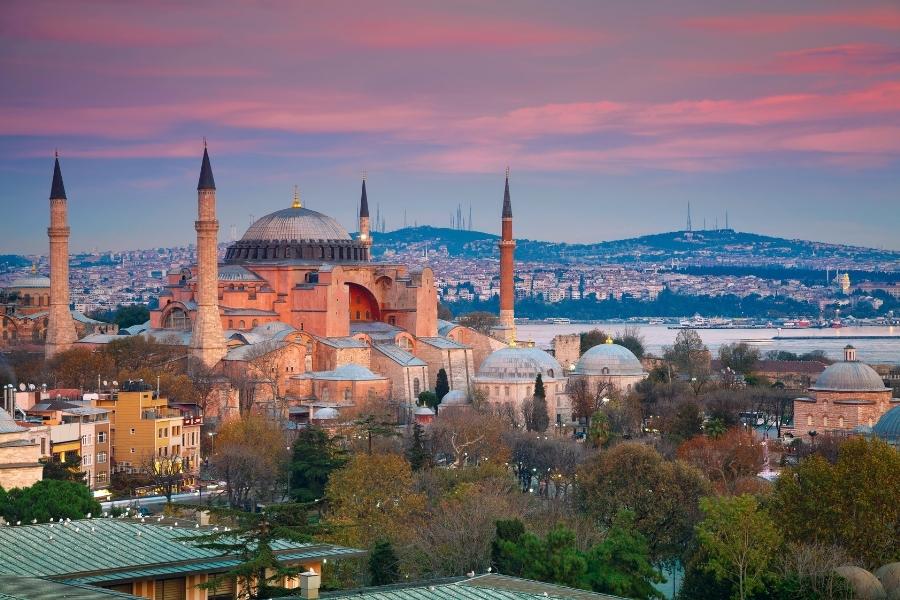
Istanbul works in any weather because so much of it is indoors or short-hop. Start with the Hagia Sophia, Topkapi Palace and the Blue Mosque in the Sultanahmet cluster, then keep the Grand Bazaar and the Spice Bazaar in reserve for a rainy afternoon. A Full Day Istanbul Classic & Bosphorus Cruise Combination Tour covers the headline sights plus time on the water, which is the fastest way to get your bearings on day one.
Cappadocia: cold mornings, empty valleys
Snow can still be sitting in the hollows around the fairy chimneys in early March, which looks extraordinary against the pale rock. Göreme Open Air Museum and the underground cities are far quieter than in high season. Dress for near-freezing dawns if you’re flying in a balloon.
Pamukkale and Ephesus: the shoulder-season sweet spot
Walking barefoot on the Pamukkale travertines in cool air sounds unpleasant and mostly isn’t, because the water is warm. Hierapolis above the terraces is largely open ground, so a windproof layer helps. Ephesus, an hour and a half away by road, is at its most comfortable in March.
Antalya and the south coast
The Mediterranean coast gets the mildest March weather in the country. It’s beach-adjacent rather than beach weather, but Antalya’s old town, Aspendos and the surrounding ruins are excellent in 17°C sunshine.

What It Costs to Travel in Turkey in March
March falls in low season for most operators, which is the main financial argument for going. Prices below are indicative; check current rates when you book, as entry fees are revised regularly.
| Item | Typical March cost | Note |
| Mid-range hotel, Istanbul | about €60–€110 per night | Often 30–40% below summer rates |
| Major museum entry | about €25–€45 | Buy online to skip the ticket line |
| Domestic flight (one way) | about €40–€90 | Istanbul to Kayseri, İzmir or Denizli |
| Group day tour, Istanbul | from about €80–€180 | Guide, transport and most entries included |
| Private full-day guide | from about €210 | Best value for two to four people |
| Cappadocia balloon flight | about €180–€250 | Weather-dependent; book a flexible date |
| Lunch, local restaurant | about €8–€15 | Pide, lahmacun, lentil soup, kebab plates |
Pro Tip
If your dates fall in the last week of March, check whether Ramadan overlaps. Mosques stay open to visitors but close to tourists during prayer times, and iftar evenings fill Sultanahmet’s squares with families and food stalls. It’s one of the best times to eat in Istanbul, but reserve restaurant tables ahead.
Festivals and Events in March
Nevruz, celebrated around March 21, marks the arrival of spring and is observed most visibly in eastern and southeastern Turkey with music, dancing, bonfires and shared meals. The Istanbul Film Festival typically begins toward the end of the month and fills cinemas across Beyoğlu and Kadıköy with international screenings. Neither requires planning your trip around it, but both are worth catching if the dates line up.
What to Pack for Turkey in March
Layers beat bulk. You’ll go from a cold bus stop to a heated museum to a windy ferry deck in the same afternoon.
- Waterproof jacket with a hood, plus a compact umbrella
- Two or three long-sleeved tops and a light sweater or fleece
- A warmer insulated jacket if Cappadocia or Ankara is on the itinerary
- Broken-in walking shoes with grip; wet marble in Sultanahmet is slippery
- Scarf for mosque visits (women cover hair; both sexes need covered shoulders and knees)
- Slip-on shoes make mosque entries faster
- Swimsuit for Pamukkale’s thermal pools and hotel spas
- Sunglasses and sunscreen: spring sun on the terraces is stronger than it feels

Best Time of Day and Crowd Logic
Off-season doesn’t mean no lines. Cruise ships and school groups still cluster in the same two-hour windows.
- 08:30–10:00: the quietest slot at Hagia Sophia, Topkapi and Ephesus. Cold, but you get photographs without people in them.
- 11:00–14:00: busiest at the Istanbul headliners. Use this window for indoor markets or lunch.
- 15:00–17:30: good light on the Bosphorus and at Pamukkale; sunset around 18:30 by late March after clocks change.
- Evening: restaurants are easy to walk into, unlike summer. A Bosphorus Dinner Cruise is comfortable in March if you take an outer layer for the deck.
For a sense of how March compares with the other shoulder months, our notes on Istanbul weather in October cover the autumn equivalent, and Istanbul’s weather by month lays out the full year.
Combining Regions Without Wasting Days
March’s shorter daylight and unsettled roads reward tighter routing. Fly between regions rather than driving overnight.
- Days 1–3, Istanbul. Sultanahmet, the Bosphorus, and one neighborhood walk in Balat or Karaköy.
- Days 4–5, Cappadocia. One-hour flight, two nights, balloon attempt on the first morning.
- Days 6–7, Pamukkale and Ephesus. Fly or transfer west; terraces one afternoon, ruins the next morning.
- Optional day 8, Antalya. Warmest weather of the trip and a soft landing before flying home.
If you only have spare hours rather than days, add a short escape from Istanbul. The Bursa Day Trip from Istanbul works well in March because Uludağ still has snow and the Grand Mosque and silk market are indoors. The Princes Islands Tour from Istanbul is best saved for a forecast sunny day, since most of it is outdoors.

Which Tour Type Fits Which Traveler
Group tours
Cheapest per person, fixed timing, and a guide who handles tickets. Good for solo travelers and first-timers. March groups are small, which makes them feel semi-private.
Private tours
Worth it in unstable weather because your guide can reshuffle the day when rain arrives. An 8-Hour Private Guided Tour in Istanbul lets you swap an outdoor stop for a museum on the spot. Families with young kids and travelers with limited mobility should default to private.
Layover and airport-based options
With a long connection, a Private Istanbul Tour with Airport Pick-up and Drop-off removes the guesswork of getting into the city and back in March traffic.
Doing it yourself
Perfectly workable in Istanbul with an Istanbulkart for trams, metro and ferries. Less workable in Cappadocia, where sites are spread out and public transport is thin in low season.
Pro Tip
Book Cappadocia’s balloon flight for your first available morning, not your last. If wind grounds the fleet, you still have a second and third chance before moving on. Cancellations are refunded, but a missed flight can’t be replaced once you’ve left the region.
Deeper history-focused itineraries such as the Istanbul Byzantine and Ottoman Relics Tour suit March particularly well, since most stops are covered and the walking distances are short.
🎫 Recommended Istanbul Tours
Licensed guide, transport and entrance logistics handled — pick the one that matches your dates.
- Full Day Istanbul Classic & Bosphorus Cruise Combination Tour →from €180.00
- Istanbul Byzantine and Ottoman Relics Tour →from €165.00
- Bursa Day Trip from Istanbul →from €119.00
- 8-Hour Private Guided Tour in Istanbul →from €210.00
Frequently Asked Questions About Istanbul
Is it cold in Turkey in March?
It’s cool rather than cold on the coast, with Istanbul around 7–13°C and Antalya around 10–17°C. Inland is genuinely cold: Cappadocia and Ankara can drop to freezing overnight, and early March snow is normal at altitude. A warm jacket plus layers covers every region.
Does it rain a lot in Turkey in March?
Western and northern Turkey see regular showers in March, usually brief rather than all day. Central Anatolia is drier but colder. Carry a hooded waterproof and plan an indoor option for each afternoon.
Can you fly a hot air balloon in Cappadocia in March?
Yes, flights run year-round, but March has a higher cancellation rate than summer because of wind. Book early in your stay so you can rebook, expect a 4:30–5:00 am pickup, and dress for near-freezing air at launch.
How many days do you need in Turkey in March?
Four days covers Istanbul properly. Seven to ten lets you add Cappadocia plus Pamukkale and Ephesus without rushing. March’s shorter daylight means one fewer sightseeing hour per day than in June, so don’t over-schedule.
Is March cheaper than summer in Turkey?
Considerably. Hotels, domestic flights and multi-day packages all sit in low-season pricing, often well below June to September rates. Entry fees stay the same year-round.
Is Turkey in March good for families with kids?
It works if you keep days short and indoor-heavy. Underground cities in Cappadocia, the Bosphorus ferries and the bazaars all land well with children. Skip long open-air archaeological sites on rainy days and choose a private tour so the schedule can bend.
Can you swim in Turkey in March?
Not comfortably in the sea. Water temperatures on the Mediterranean stay in the mid-teens Celsius until late spring. Thermal pools at Pamukkale and hotel spas are the warm-water option in March.
If March is your window, sketch the route first and slot the weather-dependent items early so you have backup days. Tell us your dates and we’ll build the itinerary around them through the Turkey trip planner, or browse our Istanbul Tours to lock in the days that matter most.


